


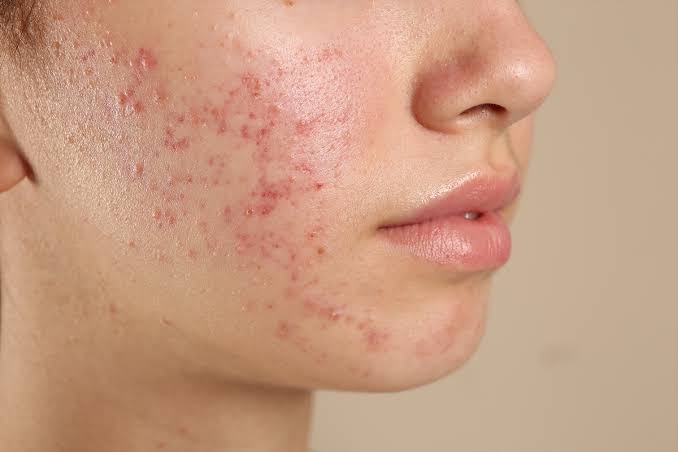
Acne can appear in different areas of the face, but the cheeks are particularly prone to this issue. Whether it's recurring pimples, whiteheads, or inflamed spots, cheek acne can be persistent. It's crucial to note that cheek acne doesn't always indicate unclean skin; rather, it is often linked to complex processes involving oil production, clogged hair follicles, hormonal changes, and inflammation. Certain daily habits and skin products can exacerbate the problem for those with acne-prone skin.
The reasons behind cheek acne are varied, and hence, no single treatment fits all. It could be triggered by a new skincare product, frequent friction, or hormonal changes. Persistent or severe acne may require medical assessment to determine appropriate treatment.
Understanding Cheek Acne Causes
Clogged Pores and Oil Buildup
Clogged pores are a primary factor in acne development. Excess sebum production or dead skin cells accumulating in hair follicles can lead to whiteheads or blackheads and may develop into inflamed acne.
Hormonal Changes
Hormonal fluctuations can impact the activity of oil glands, resulting in increased sebum production and potential acne flare-ups. Women might notice acne increases during certain menstrual cycle phases.
Inappropriate Skincare Products
Certain skincare or cosmetic products may clog pores, especially for those prone to acne, when using heavy or oily products. Choosing suitable skincare products and observing any skin changes when introducing new items is recommended.
Hair Products
Oils and styling products can reach the cheek area, particularly during sleep or prolonged hair-to-face contact, possibly clogging pores or irritating skin.
Mobile Phones
During calls, phone surfaces in contact with cheeks can accumulate oils, cosmetic residues, and dirt, possibly contributing to irritation and acne worsening for some.
Friction and Pressure
Regular friction, pressure, and heat can aggravate cheek acne, often caused by masks, clothing, or equipment touching the face for extended periods.
Frequent Face Touching
Touching cheeks often introduces oils and dirt from hands to the face, increasing inflammation risk. Avoiding unnecessary face contact and acne extraction is advised.
Stress
Stress isn't a sole acne cause but may worsen it by disrupting daily habits, sleep, and skin care routines. Stress management can ease acne control.
Dietary Factors
Scientific research suggests high-glycemic diets and dairy consumption might worsen acne for some. However, dietary impacts vary, and comprehensive elimination diets without clear cause are not encouraged.
Is Acne Location Indicative of Specific Causes?
While some try to link face areas to health issues, such as cheeks to specific organs, such correlations are not medically proven. Acne patterns can help identify contributing habits or products, but a thorough diagnosis requires evaluating acne type, distribution, and duration.
Reducing Cheek Acne
Simple steps to manage acne include gentle facial cleansing twice daily, avoiding harsh scrubs, using non-comedogenic products, removing makeup before bed, regular phone cleaning, changing pillowcases frequently, avoiding face touching, and choosing appropriate sunscreens and hair products.
Common Practices That Worsen Cheek Acne
Certain habits, such as acne squeezing or harsh cleansing, can increase skin irritation. Over-cleansing can also dry and irritate the skin. Introducing treatments gradually and monitoring their effects is ideal.
When to Consult a Dermatologist for Cheek Acne
Consultation may be necessary for severe, deep, or painful acne, persistent acne despite a proper skincare routine, or sudden outbreaks impacting mental health and confidence. A dermatologist can assess acne type and underlying causes to recommend suitable treatments.