


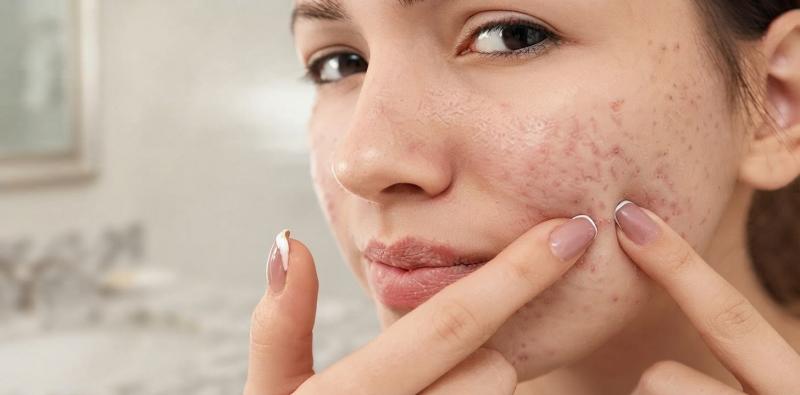
Millions of individuals are on the lookout for the best ways to treat acne at home to eliminate blemishes, blackheads, and inflammation scars without resorting to complicated or expensive procedures. Acne is among the most common skin issues affecting teenagers and adults alike, caused by increased oil secretion, clogged pores, and the growth of bacteria leading to inflammation.
Despite the abundance of home remedies online, experts affirm that some natural treatments might help in mild cases but cannot replace medically approved treatments if the problem persists or worsens. Hence, choosing the right method depends on the severity of the condition, skin type, and adherence to a healthy daily skincare routine.
What Causes Acne?
Acne appears due to several intertwined factors, notably:
- Increased oil secretion from sebaceous glands.
- Clogged pores with dead skin cells.
- Bacterial growth causing pimples.
- Hormonal changes.
- Stress and lack of sleep.
- Use of unsuitable cosmetic products.
Genetics may also play a significant role in elevating the risk of developing acne.
Top Natural Acne Remedies at Home
Some natural ingredients help reduce inflammation and redness, particularly in mild acne cases.
1. Tea Tree Oil
Tea tree oil is a popular natural remedy due to its antibacterial and anti-inflammatory properties. Studies suggest that using products with a 5% concentration can help reduce blemishes. However, it should not be applied directly to the skin but diluted with a carrier oil or aloe vera gel to avoid irritation.
2. Aloe Vera Gel
Pure aloe vera gel helps soothe the skin, reduce redness, and accelerate healing. It also lightly moisturizes the skin without clogging the pores.
3. Green Tea Compress
Green tea contains powerful antioxidants that reduce inflammation and oil production. Cooled tea bags can be applied to affected areas for several minutes.
4. Honey and Oatmeal
Honey has antibacterial properties, while oatmeal acts as a gentle exfoliant, removing dead skin cells without irritating the skin, suitable for sensitive skin.
Best Pharmaceutical Treatments at Home
In contrast, pharmacy products are more effective in treating acne, especially with regular use.
Salicylic Acid Cleanser
Salicylic acid helps deep-cleanse the pores, removing excess oils and dead skin cells, reducing pimples and blackheads.
Benzoyl Peroxide Cream
Benzoyl peroxide eradicates acne-causing bacteria, helps dry out pimples, and reduces inflammation quickly.
Non-Comedogenic Moisturizers
Additionally, using a light moisturizer labeled Non-Comedogenic is recommended to keep the skin hydrated and prevent dryness, as dryness may increase oil secretion.
Daily Habits to Help Clear Acne
Alongside using suitable treatments, several healthy habits can improve skin condition:
- Washing the face twice daily with a gentle cleanser.
- Removing makeup before bed.
- Using suitable sunscreen for oily skin.
- Regularly changing pillowcases.
- Cleaning phone screens regularly.
- Drinking adequate water.
- Maintaining a balanced diet rich in fruits and veggies.
Furthermore, good sleep and reduced stress levels may help minimize acne prevalence for many individuals.
Common Mistakes to Avoid
There are numerous widespread recipes that could irritate the skin rather than treat it. Among them are:
Toothpaste
Some believe it quickly removes pimples, but it contains ingredients that can irritate the skin, causing redness and dark spots.
Lemon and Apple Cider Vinegar
Although naturally acidic, direct application on the skin might cause chemical burns and increased sensitivity, especially when exposed to the sun.
Baking Soda
Disturbs the skin's natural balance, potentially causing dryness and irritation, exacerbating acne issues instead of resolving them.
When to Visit a Dermatologist?
A doctor's consultation is recommended in the following cases:
- Persistent acne lasting for months without improvement.
- Severe or painful acne breakouts.
- Development of large cysts or nodules under the skin.
- Appearance of scars or pits on the face.
- Impact of acne on personal well-being or self-confidence.
In such scenarios, the doctor might prescribe topical or oral antibiotics, hormonal treatments, or specialized medications based on the severity of the condition.
Can Acne Be Prevented?
Completely preventing acne is not possible, but the chances of breakouts can be reduced through daily skincare, using suitable products, minimizing face-touching habits, avoiding oily cosmetics, and following a balanced diet and healthy lifestyle.
Ultimately, at-home acne treatment is a viable option for mild cases using scientifically-backed remedies and a consistent skincare routine. If problems persist or intensify, consulting a dermatologist remains the best step for appropriate treatment and scar prevention.