


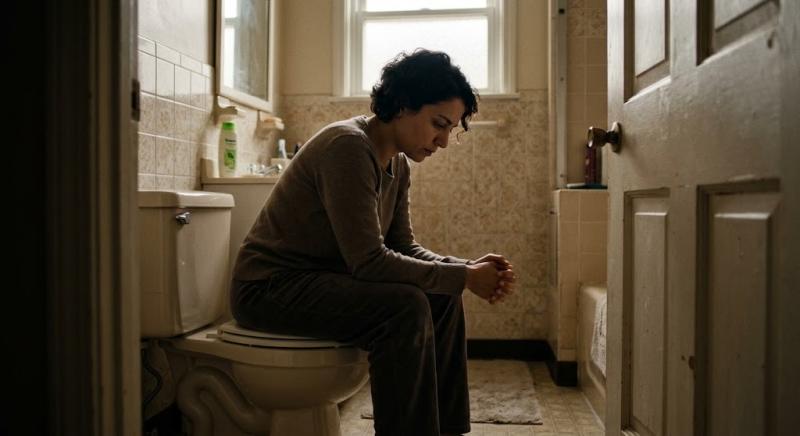
Intermittent urination refers to urine not flowing continuously while using the toilet. The flow might start, stop briefly, and then resume. Women may describe the issue differently, feeling that urination is slow or weak, needing to wait or push for urination, or feeling that the bladder is not fully emptied.
These symptoms are indicative of difficulty in urination or bladder discharge disorder, but the cause cannot be identified merely by the urination pattern itself.
Causes of Intermittent Urination in Women
There are many possible causes affecting urine flow; some are temporary and easily treated, while others require medical evaluation.
Urinary Tract Infection
UTIs are common causes of urination issues in women, often accompanied by burning, pain, frequent urges, and urgency. In some cases, bladder irritation may alter urination flow, making it essential to consider accompanying symptoms.
Weak Pelvic Floor Muscles
Pelvic floor muscles support the bladder and aid urination control. Dysfunction can lead to difficulty relaxing these muscles during urination, resulting in weak or intermittent flow. Pregnancy, childbirth, aging, and other issues can weaken these muscles, leading to urinary symptoms.
Bladder or Pelvic Organ Prolapse
Bladder prolapse occurs when muscles and tissues supporting the bladder weaken, causing it to shift toward the vagina. This can lead to difficulty starting urination, weak flow, or incomplete emptying, often accompanied by a sensation of pressure or heaviness in the pelvis.
Severe Constipation
Chronic or severe constipation can affect urination due to the rectum's proximity to the bladder and shared nerves. Persistent pressure may impact pelvic floor muscles, causing issues in bladder emptying or control.
Medications
Certain medications may affect urination or bladder function, including some antidepressants, allergy, and cold medications, and those for bladder control issues. Discuss all medications and supplements with a doctor if new urination problems occur.
Pregnancy
Bladder function may change during pregnancy due to hormonal shifts and increased pelvic pressure, leading to various urinary symptoms that necessitate medical evaluation if persistent.
Aging and Menopause
With age, bladder and pelvic floor functions can change, impacting urination, particularly when combined with hormonal changes during menopause.
Nerve Problems
The precise coordination between bladder, nerves, and muscles required for urination makes nerve-related issues potential disruptors of normal urination.
Urethral Stricture
Less commonly, narrowing of the urethra may obstruct urine flow, causing weak, intermittent, or difficult urination, needing medical evaluation to identify origins and proper treatment.
Does Intermittent Urination Indicate a UTI?
Not necessarily. While UTIs are a possibility, they are not the only reason. If symptoms include burning, pain, and urgency, a UTI might be suspected, alongside pelvic pressure, vaginal protrusion, or incomplete bladder emptying necessitating further investigation.
Persisting or recurrent issues should not be overlooked, as extended bladder emptying challenges could suggest urinary retention or other bladder problems, with conditions like bladder prolapse increasing UTI risks.