


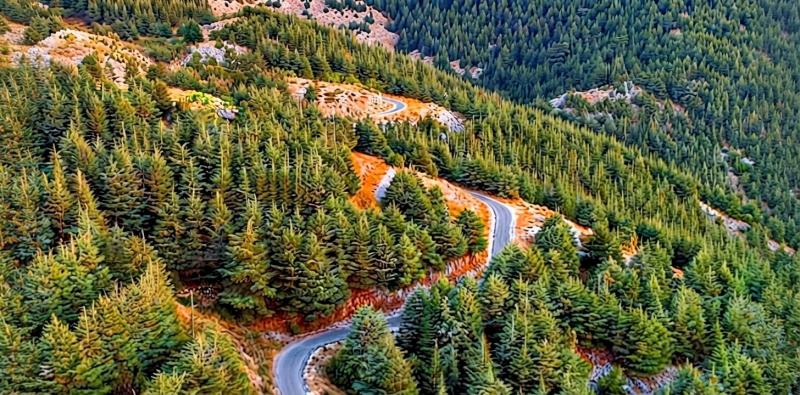
Despite its small size, Lebanon boasts a striking geographical and cultural diversity. You can swiftly transition from the Mediterranean coast to the mountain peaks. The country is dotted with archaeological sites from various civilizations that have left their mark on Lebanese cities and villages.
The allure of a trip to Lebanon is amplified by the variety of experiences available — from exploring ancient markets and historical ports to hiking in mountain valleys, visiting cedar forests, and enjoying coastal views. Planning a trip to Lebanon allows you to combine several types of activities into one itinerary.
Top Tourist Attractions in Lebanon
1. Downtown Beirut and the Pigeon Rocks
Your tour begins in Beirut, a capital city that blends modern urbanity with historical buildings and landmarks. Downtown Beirut is a prime area for strolling and discovering squares, restaurants, and cafés, while the Raouche neighborhood offers a different experience along the waterfront.
The Pigeon Rocks stand out as some of the city's most iconic symbols, especially at sunset, when the shoreline becomes an ideal setting for walking, photography, and enjoying Mediterranean views.
2. Byblos City
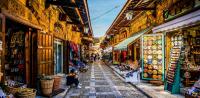
Known as one of the world's oldest continuously inhabited cities, Byblos blends unique archaeological sites with ancient markets and a historic port. Visitors can explore stone-paved alleys, visit the castle and archaeological sites, and then head to the port to savor the maritime ambiance and local restaurants.
3. Tyre City
In southern Lebanon, Tyre offers a mix of history and beach experiences. The city is famed for Phoenician and Roman archaeological sites, alongside its sandy beaches that provide a chance for seaside relaxation. Tyre is ideal for those looking to combine historical site visits with leisure on the coast.
4. Sidon City and the Sea Castle
With a rich history reflected in its landmarks and ancient markets, Sidon is home to the famous Sea Castle, standing on the water near the old harbor. Visitors can explore traditional markets, discover the Soap Museum, and learn about the traditional crafts and industries that have marked the city's history.
5. Jounieh and Harissa Cable Car
Jounieh offers one of the most beautiful coastal and mountainous experiences in Lebanon. The Jounieh Cable Car provides a unique way to reach Harissa, where you can enjoy panoramic views of the bay and the Mediterranean Sea.
6. Jeita Grotto
Jeita Grotto is one of Lebanon's most famous natural attractions, consisting of a limestone cavern system featuring halls and rock formations created over thousands of years. The grotto has both upper and lower sections, showcasing diverse geological formations that make it a unique site among traditional tourist spots.
7. Baatara Gorge Waterfall
In Tannourine's mountainous terrain lies the breathtaking Baatara Gorge Waterfall. This natural wonder cascades into a deep rocky chasm, surrounded by geological formations and natural bridges, offering a stunning sight, especially in times of abundant water flow.
8. Qadisha Valley
Qadisha Valley is a significant natural and spiritual destination in northern Lebanon, renowned for its steep mountainous terrain, deep valleys, monasteries, and historic religious sites. The area is perfect for hiking and nature lovers and offers a rare combination of religious heritage and natural scenery.
9. Afqa Cave
Situated in a lush mountainous area, Afqa is famous for its spring and cave connected to the Ibrahim River. The site, combining water, rocky slopes, and vegetation, is an ideal retreat for those wanting a peaceful escape from urban crowds.
10. Baalbek Ruins
Baalbek stands at the forefront of Lebanon's archaeological sites, renowned for its massive temples and history spanning multiple civilizations. The city is particularly famous for the Temple of Jupiter and the Temple of Bacchus, reflecting the grandeur of ancient Roman architecture.
11. Anjar City
Anjar offers a distinctive model of Lebanese heritage, with its ruins dating back to the Umayyad era and featuring organized urban planning. Visiting the site provides insight into Lebanon's Islamic history, coupled with the natural beauty of the Bekaa Valley.
12. Beiteddine Palace
Located in the Chouf region, Beiteddine Palace is one of Lebanon's vital architectural and historical landmarks. Built during the reign of Emir Bashir Shihab II, the palace boasts oriental architectural details, arches, squares, and gardens, offering insights into Lebanon's 19th-century political and social history.
13. Mseilha Fort
Mseilha Fort, perched on a rocky outcrop near the northern coast, offers a striking view of the surrounding area. It's a perfect photogenic stop during trips towards northern Lebanon, especially for those fascinated by historical forts and defensive structures.
14. Shouf Cedar Reserve
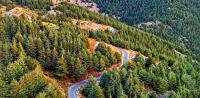
The Shouf Cedar Reserve is a prime natural attraction in Lebanon, spreading across a significant area in the Shouf Mountains, featuring cedar forests and a biodiverse mountainous landscape. The reserve offers hiking and exploration paths, allowing visitors to witness Lebanese cedar in its natural habitat.
15. Cedars of God in Bsharri
In northern Lebanon, the Cedars of God near Bsharri is renowned for its ancient cedar trees and exceptional mountainous scenery. Visitors can combine their visit with exploring Bsharri, the Museum of Gibran Khalil Gibran, and the nearby Qadisha Valley.
How to Choose the Right Destinations for Your Trip to Lebanon?
If you're a history and archaeology enthusiast, Baalbek, Byblos, Tyre, Anjar, and Beiteddine offer diverse sites revealing layers of Lebanon's history. Nature and adventure lovers can opt for Jeita Grotto, Qadisha Valley, Baatara Gorge Waterfall, the Shouf Cedars, and the Cedars of God. Meanwhile, Beirut, Raouche, Jounieh, Sidon, and Tyre are ideal for those seeking a mix of beaches, dining, shopping, and urban ambiance.
It's advisable to plan visits geographically rather than trying to explore all areas in one day due to Lebanon's mountainous terrain and winding roads, which can make some trips longer than they appear on the map.
Best Time to Visit Lebanon
The best time to travel varies depending on the experience you're seeking. Spring and fall are suitable for exploring cities, archaeological sites, and mountain areas owing to relatively mild weather.
Summer is suitable for those looking to enjoy beaches and marine activities, with options to escape the coastal heat by heading to the mountains. In contrast, winter offers a different experience for snow enthusiasts and mountain resorts, noting the need to check weather and road conditions before heading to high-altitude areas.
Ultimately, Lebanon offers a tourist experience that goes beyond visiting a single landmark. It's a country where a single trip can encompass Roman and Phoenician ruins, caves, waterfalls, sacred valleys, cedar forests, coastal cities, and traditional markets.
This diverse geographical and historical tapestry makes each area offer a unique experience. Whether it’s your first trip to Lebanon or a returning visit, dividing your itinerary between coast, mountain, archaeological sites, and nature can turn your journey into a rich, comprehensive experience.
Also Read:
The Wealth of Syrian Celebrities: Who Has the Biggest Fortune?