


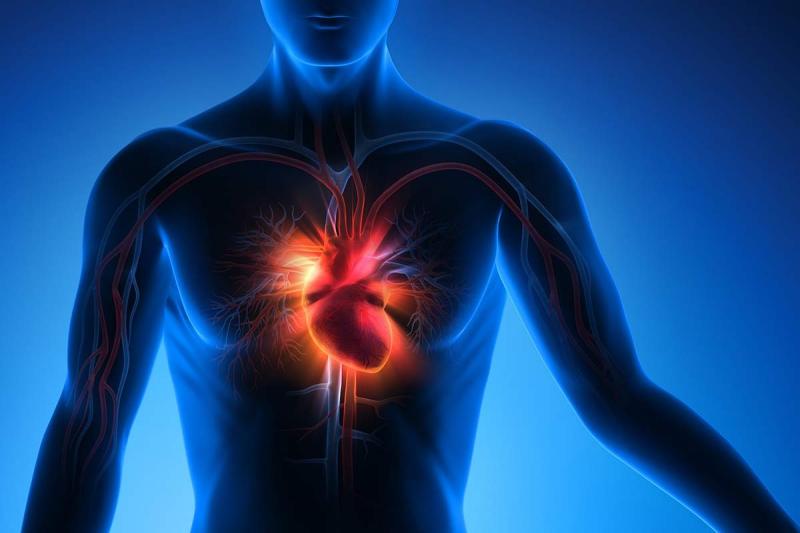
Sudden heart palpitations can be alarming, especially when they occur without warning. Individuals may feel their heart racing, pounding, or skipping a beat before resuming a stronger rhythm. These sensations might be felt in the chest, throat, or neck.
In many cases, sudden palpitations are not indicative of a severe condition, particularly if they are brief and occur under certain circumstances, such as stress or after consuming large amounts of stimulants.
However, frequent, persistent palpitations accompanied by other symptoms could warrant medical evaluation.
What Causes Sudden Heart Palpitations?

1. Stress and Anxiety
Stress is a common cause of heart palpitations. When experiencing fear or anxiety, the body releases hormones like adrenaline, potentially increasing heart rate.
Palpitations may also occur during panic attacks, often accompanied by sweating, trembling, shortness of breath, and a sense of fear.
2. Excessive Caffeine
High consumption of coffee, energy drinks, or other caffeinated products can cause heart palpitations in some people.
Sensitivity to caffeine varies, with some experiencing palpitations from small quantities, while others may remain unaffected.
3. Lack of Sleep and Fatigue
Insufficient sleep can influence bodily functions and the nervous system, potentially leading to heart palpitations.
Extreme fatigue may increase sensitivity to stimulants and stress.
4. Physical Exercise
It's normal for heart rate to increase during physical activity, as the body requires more blood flow to supply oxygen to muscles.
However, unusual or persistent palpitations post-exercise may need evaluation, especially if chest pain or dizziness accompanies them.
5. Anemia and Iron Deficiency
Anemia can place additional strain on the heart as the body tries to compensate for reduced oxygen-carrying capacity in the blood.
Symptoms may include heart palpitations alongside fatigue, dizziness, pallor, and shortness of breath.
6. Thyroid Disorders
Overactive thyroid can affect heart rate, potentially causing palpitations, sweating, weight loss, and tremors in some individuals.
A doctor may recommend thyroid tests if frequent palpitations occur without a clear cause.

7. Low Blood Sugar
Low blood sugar levels can lead to symptoms such as trembling, sweating, dizziness, and palpitations.
This is particularly crucial for those with diabetes or individuals on medications that may cause low blood sugar.
8. Dehydration
Lack of fluids can lead to increased heart rate, especially when significant fluid loss occurs via heat, sweating, diarrhea, or vomiting.
9. Certain Medications and Stimulants
Some medications or stimulants might cause heart palpitations as a side effect.
These might include certain cold medicines, decongestants, or asthma medications. It's vital to inform doctors about all medications and supplements if palpitations persist.
10. Heart Rhythm Disorders
In some instances, palpitations could be related to arrhythmia, a condition involving irregular heartbeats.
Some arrhythmias are minor, while others may require medical assessment and treatment, especially if the palpitations are frequent or severe.
When are Heart Palpitations Serious?
Signs Requiring Immediate Medical Attention
Do not ignore heart palpitations if they come with symptoms such as:
- Chest pain or pressure
- Severe shortness of breath
- Fainting or near fainting
- Severe dizziness
- Unusually persistent rapid heartbeats
These could indicate a need for urgent medical evaluation.
What to Do When Experiencing Heart Palpitations?
Identify Potential Triggers
If palpitations occur after consuming coffee or energy drinks or during stress, noting the timing and circumstances can help identify potential triggers.
Reduce Stimulant Intake
If there's a link between palpitations and caffeine, reducing coffee, energy drinks, and other stimulants might help.
Focus on Sleep and Hydration
Adequate sleep and hydration can help mitigate some palpitations triggers.
Consult a Doctor if Persistent
Continual or unexplained palpitations might require a physician's evaluation, including tests like ECGs or blood work based on symptoms and medical history.
Are Sudden Heart Palpitations Normal?
Heart palpitations can be temporary and harmless, particularly when brief and associated with stress, caffeine, or fatigue.
However, precise diagnosis based solely on palpitations can be challenging, thus recurring or worrying symptoms should prompt a doctor's consultation.
Also see: