


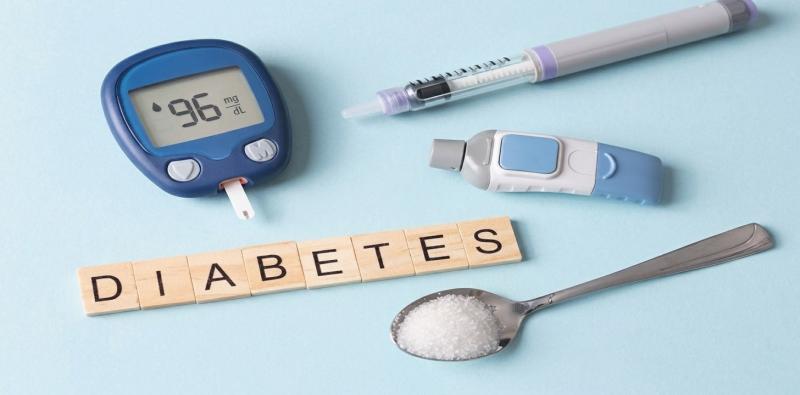
High blood sugar is a critical indicator that should not be overlooked, as it can suggest a disruption in the body's ability to regulate glucose levels. This condition occurs when the body does not produce enough insulin or when the cells become less responsive to insulin, leading to sugar accumulating in the bloodstream instead of entering cells for energy production.
The symptoms of high blood sugar often develop gradually, which means they may go unnoticed initially. However, prolonged high blood sugar levels increase the risk of complications affecting the heart, nerves, kidneys, and eyes, making early diagnosis and prompt treatment crucial.
What is High Blood Sugar?
High blood sugar, or hyperglycemia, is a state where glucose levels rise above normal thresholds. It can occur in individuals with type 1 or type 2 diabetes and may also be seen for the first time in those not yet diagnosed with the condition.
Additionally, high blood sugar can be temporary, triggered by stress, infection, or certain medications, but it should be evaluated if persistent or recurrent.
Early Symptoms of High Blood Sugar
Initial symptoms are the body's response to excess sugar being eliminated through urine, leading to fluid loss.
Extreme Thirst
Constant thirst is one of the most common signs, as the body loses significant amounts of water in the urine, causing dry mouth and a frequent need to drink fluids.
Frequent Urination
Noticeable increases in urination frequency, especially at night, occur as the kidneys work to expel excess sugar through urine.
Fatigue and Weakness
Despite high blood sugar, cells fail to efficiently use glucose, causing persistent fatigue, low energy, and difficulty in daily tasks.
Blurred Vision
High blood sugar can draw fluids from the eye lens, leading to temporary blurred vision, which may improve once sugar levels are controlled.
Headache
Frequent headaches may occur due to fluctuations in blood sugar and fluid levels in the body.
Prolonged High Blood Sugar Symptoms
Long-term untreated high blood sugar leads to further symptoms as various body organs are affected.
Unexplained Weight Loss
Weight loss may occur even with normal food intake as the body starts burning fat and muscles for energy.
Increased Appetite
Conversely, frequent hunger can be observed as cells are deprived of energy despite high blood glucose levels.
Slow Wound Healing
High sugar levels impair circulation and immune functions, delaying the healing of wounds and scratches.
Frequent Infections
High blood sugar heightens the risk of skin, gum, urinary tract, and fungal infections, particularly if sugar levels remain unstable.
Numbness in Extremities
Numbness or tingling in hands and feet may occur as peripheral nerves are affected by prolonged high sugar levels.
Causes of High Blood Sugar
There are several causes of raised blood sugar levels, including:
Diabetes
Diabetes is the most common cause, either due to insufficient insulin production or the body's resistance to insulin's effects.
Non-adherence to Therapy
Forgetting insulin doses or diabetes medication, or taking inadequate doses, can lead to elevated glucose levels.
Overconsumption of Carbohydrates
Consuming excessive sugars and starches without balancing therapy or physical activity can spike blood sugar levels.
Physical Inactivity
Physical activity helps utilize glucose in muscles; hence, inactivity may raise blood sugar levels.
Stress and Fatigue
During stress, the body releases hormones that elevate blood sugar levels. Patients might notice temporary rises during stressful times.
Infections and Illnesses
Furthermore, infections, fevers, and surgeries can increase glucose levels as the body responds to stress.
Complications of High Blood Sugar
Uncontrolled high blood sugar can lead to severe complications, including:
- Neuropathy.
- Retinopathy.
- Kidney disease.
- Cardiovascular diseases.
- Poor wound healing.
- Diabetic foot ulcers.
Emergency Signs Requiring Immediate Action
In some instances, severe spikes in glucose may lead to diabetic ketoacidosis, a medical emergency needing immediate care.
These symptoms include:
- Persistent nausea and vomiting.
- Severe abdominal pain.
- Breath with a fruity or acetone-like odor.
- Rapid or labored breathing.
- Severe dizziness or confusion.
- Loss of consciousness.
- Critically high blood sugar levels.
If these signs appear, seek emergency medical attention without delay.
Diagnosing High Blood Sugar
Physicians rely on several tests including:
- Fasting blood sugar test.
- Random blood sugar test.
- Glucose tolerance test.
- Glycated hemoglobin (HbA1c) test.
Testing for blood or urine ketones may also be conducted if diabetic ketoacidosis is suspected.
Treatment of High Blood Sugar
Treatment depends on the underlying cause and severity.
Dietary Adjustments
Reducing refined sugars, carbohydrates, and increasing intake of vegetables and fiber helps control sugar levels.
Engaging in Physical Activity
Regular exercise and walking enhance the body's sensitivity to insulin and lower blood sugar, provided levels aren't too high or accompanied by ketones.
Medication Compliance
Adhering to prescribed diabetes medications or insulin, and avoiding dose changes without medical advice, is essential.
Staying Hydrated
Consuming adequate water helps replenish lost fluids and supports the body's efforts to eliminate excess sugar through urine.
Preventing High Blood Sugar
To minimize the risk of high blood sugar, follow these guidelines:
- Stick to your treatment plan.
- Monitor your blood sugar regularly.
- Engage in regular exercise.
- Eat a balanced and healthy diet.
- Maintain a healthy weight.
- Avoid excessive sugar intake.
- Drink enough water.
- See your doctor for regular check-ups.
In conclusion, the symptoms of high blood sugar are an important warning sign that should not be ignored, especially if they persist. Continuous thirst, frequent urination, fatigue, and blurred vision can be early indicators of elevated glucose levels. Neglecting treatment may result in complications affecting various body organs.
Therefore, early diagnosis, adherence to treatment, and a healthy lifestyle significantly help manage the condition, reduce complication risks, and enhance life quality.
See Also
Causes of Lower Back Pain