


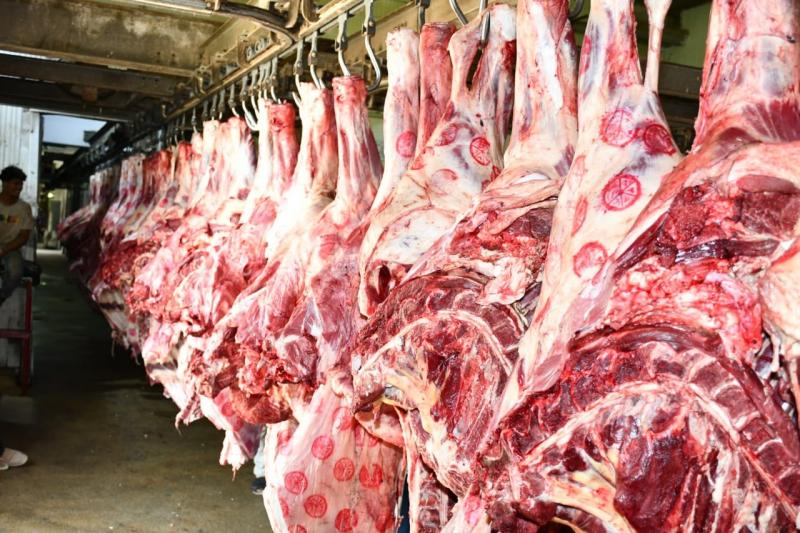
The price of kilogram of meat in Lebanon is a constant concern for families, especially amidst rising living costs and fluctuating food prices.
The price of red meat in the Lebanese market varies and is determined by the type of animal, its source, the quality of the meat, and the specific cut requested, in addition to the place of sale.
In 2026, the Lebanese meat market faced pressures linked to rising costs and market changes. Economic reports indicated that beef prices reached nearly $20 per kilogram in some markets at certain times of the year, while imported varieties were available at different prices, making product comparison essential prior to purchase.
What is the Price of Meat per Kilogram in Lebanon in 2026?
No single price is set for all types of meat in Lebanon. Data available in 2026 showed significant differences depending on the type and production sources.
A report in April 2026 highlighted that beef prices in Lebanon rose from previous levels of $10 to $12 per kilogram to about $20 per kilogram on average in some markets, with price variations across regions and points of sale.
Conversely, some Lebanese stores offer both imported and local meats at varied prices based on the cut and size. For example, a 200-gram pack of beef at one online store was priced at 405,000 Lira, equivalent to approximately 2.025 million Lira per kilogram.
Meanwhile, some lamb products are priced at 540,000 Lira for 200 grams, translating to about 2.7 million Lira per kilogram. These are specific product prices and not official averages for the Lebanese market.
Beef Price per Kilogram in Lebanon
Beef is among the most consumed types of red meat in the Lebanese market, with prices varying depending on whether it is local or imported, as well as the specific cut.
Recent price data indicates that beef prices have notably surged in Lebanon during 2026, with clear market differences between regions and sales outlets.
Stores also offer various products like minced meat, veal, cubes, and steak slices at different rates. Thus, a single product price cannot represent all beef prices in Lebanon.
Mutton Price per Kilogram in Lebanon
Mutton often costs more than some types of beef, especially when it comes to locally sourced or premium cuts.
Prices vary considerably depending on the type of lamb, its source, and the desired cut. Retail data in Lebanon shows higher prices for many mutton products compared to beef, with prices differing based on weight and cut method.
Therefore, the question of the price of a kilogram of meat in Lebanon necessitates specifying the type of meat, as the price of lamb does not necessarily reflect the price of beef or veal.
Why Have Meat Prices Increased in Lebanon?
Meat prices are influenced by multiple local and global factors, not just one.
Rising Import Costs
A significant portion of the Lebanese meat market relies on imported products. Consequently, increased shipping, transportation, and importation costs can affect the final price consumers pay.
Moreover, global market fluctuations impact the cost of importing meat, livestock, and feed.
Exchange Rates
Exchange rate fluctuations influence the cost of many imported products, including meat.
Hence, the local price could change when import costs rise or the currency used for foreign purchases changes in value.
Feed Prices
Meat price is not solely linked to the cost of the animal. The cost chain begins with feed, care, transportation, and ends at slaughter and distribution.
When feed prices rise, the cost of livestock farming can increase, potentially impacting meat prices.
Increased Demand
High demand during certain seasons can drive prices up, particularly when supply is limited.
This effect is especially notable during holidays and occasions that increase the demand for red meat.
Is Imported Meat Cheaper than Local Meat in Lebanon?
In certain cases, yes.
Recent reports reveal that imported Brazilian meats have become widely available in the Lebanese market, partly due to their prices, which can be lower than some local meats.
However, price is not the only factor in comparison. Products vary based on the animal's source, cutting quality, used part, and preservation method.
Thus, consumers may find a significant price difference between a local and an imported piece, even if they are of the same type.
Do Meat Prices Vary Across Regions?
Yes — prices can differ between Lebanese regions.
This is due to transport, distribution, rental costs, market nature, and store type differences, along with varying meat sources.
Prices may even vary within the same region between butcher shops, supermarkets, and specialized stores. Comparing prices before purchasing is advisable.
What Factors Determine the Price of a Meat Cut?
The price depends not only on weight but also on the cut itself.
Cuts requiring specific preparation and slicing, or those with a higher ratio of lean meat, may be pricier than others.
Additionally, chopped meat prices differ from cubes, slices, and cuts designated for roasting or cooking, even when from the same animal.
Is the Price of Meat Per Kilogram in Lebanon Stable?
No — the price of meat per kilogram in Lebanon is subject to change.
Economic reports in 2026 show significant meat price shifts due to changes in import costs, global markets, and local economic conditions.
Therefore, when seeking the current price, it's best to specify the date, region, and type of meat rather than relying on a single figure for an extended period.
How to Purchase Meat at a Better Price?
Reducing meat purchase costs can be achieved by comparing prices at multiple butchers or stores, especially when there are notable differences between sales points.
Comparing the actual kilogram price instead of just the package price is also advisable, as some stores offer smaller meat packages that make the price appear lower at first glance.
It is also beneficial to compare local meat with imported ones, ensuring the source, preservation method, production date, and expiration are checked.
Do Rising Meat Prices Impact Household Budgets?
Meat is a relatively high-cost food product, so any price hike can directly affect the budget of families consuming it regularly.
Recent meat price hikes have led some consumers in Lebanon to reduce quantities or seek cheaper alternatives, according to 2026 market reports.
Diversifying protein sources helps ease budget pressures by combining meats, chicken, fish, and legumes according to dietary needs and purchasing power.
Also watch:
Fruit Prices in Lebanon 2026
Rice Prices in Lebanon
Bread Prices in Lebanon 2026