


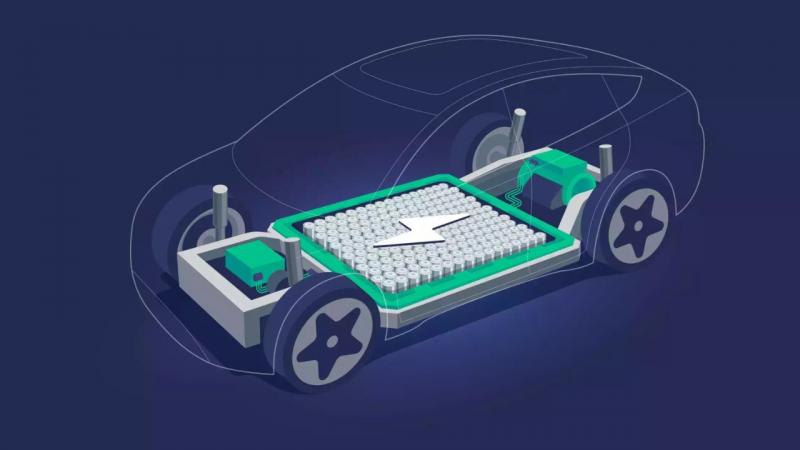
The lifespan of an electric car battery is one of the top concerns for consumers considering the purchase of a new or used electric vehicle. The battery is one of the most expensive components of the car and is closely linked to driving range and performance.
As electric vehicles become more prevalent globally, battery technologies and management systems have improved significantly, enhancing their lifespan and performance.
Contrary to common belief, an electric car battery doesn't suddenly stop working after a set number of years; instead, it undergoes a gradual degradation in capacity, meaning the amount of energy it can store reduces compared to when it was new.
Lifespan of an Electric Car Battery?
The lifespan of a modern electric car battery can range from 10 to 15 years in many cases. Some batteries may even last longer depending on usage and maintenance conditions.
This does not mean that the battery becomes unusable after 10 years. Instead, its energy storage capacity may deteriorate, affecting the driving range per charge, despite the car continuing to function normally.
Electric car manufacturers typically offer extensive warranties on batteries, often covering up to 8 years or a certain mileage, though conditions and limits vary between brands.
Does an Electric Car Battery Suddenly Fail?
No, the gradual capacity degradation is key when discussing electric car battery lifespan.
Modern batteries usually exhibit progressive degradation and not abrupt failure. Over time and with repeated charging cycles, the amount of energy they can hold decreases, impacting vehicle range.
For example, a new car might cover approximately 400 kilometers on a full charge. However, after years of usage, this range might decrease, depending on battery degradation rate and operating conditions.
Factors Affecting Electric Car Battery Life?
Number of Charging Cycles
The battery wears down with repeated charging and discharging processes, yet an individual charging cycle isn't simply plugging the car in once.
For instance, using 50% of the battery and recharging it, then using another 50%, roughly equals a full charge cycle. Hence, the number of times the car is plugged in doesn't solely determine battery life.
Fast Charging Usage
While fast charging saves time, it may generate more heat inside the battery than slower charging methods.
This doesn't mean fast charging should be avoided entirely, as modern cars are designed to handle it. However, overuse of fast charging could affect battery degradation rate, especially in high temperatures.
High Temperatures
Heat is one of the main factors impacting battery performance and lifespan.
Modern electric cars use thermal management systems to maintain the battery within an optimal temperature range during charging and driving.
This is especially important in hot climates, where prolonged exposure to high temperatures can put additional stress on the battery.
Charge Level
Keeping the battery at exceptionally high charge levels for long periods can affect degradation rates. Thus, some cars have smart systems to recommend daily usage charge levels.
Many cars offer settings that allow the user to set a maximum charge limit, aiding better battery management.
Driving Style
Driving habits also impact the battery.
Aggressive driving and frequent hard acceleration increase energy demands and heat generation, while calmer driving reduces consumption and thermal stress.
Does an Electric Car Battery Need Maintenance?

Batteries differ from conventional car engines in maintenance, requiring no oil changes or filters like traditional engines.
They rely on advanced electronic and thermal systems to monitor temperature, charge level, and cell status.
Some cars have battery management systems monitoring voltage, temperature, and cell balance to maintain performance and minimize degradation risks.
When to Replace an Electric Car Battery?
There's no universally defined duration for battery replacement across all vehicles.
Replacement becomes necessary when battery capacity significantly decreases or a technical issue hampers vehicle performance or range.
Sometimes, the problem isn't with the entire battery pack but with a specific unit or cell set, making repair or partial replacement viable based on vehicle design and part availability.
Cost of Electric Car Battery Replacement?
Replacement costs vary significantly depending on vehicle type, battery size, cell chemistry, and manufacturer.
Batteries are among the most expensive parts of an electric car, making full pack replacement costly.
However, advancements in battery manufacturing technologies and increased global production have reduced battery costs compared to the early years of electric vehicle proliferation, despite price differences between markets and models.
It's essential when buying a used electric car to verify battery condition and warranty before deciding.
Signs of Weakening Electric Car Battery?
Several indicators might suggest battery efficiency is declining, such as reduced driving range per charge compared to usual.
Drivers may also notice changes in charging speed or differences in distance estimation. However, these signs don't necessarily imply battery malfunction.
Specialized battery condition checks are recommended if significant drops in range or performance are observed.
Is a Used Electric Car a Good Choice?
Used electric cars can be a good option, but battery condition should be a key evaluation factor.
Instead of merely relying on the manufacturing year and mileage, assessing battery health, remaining capacity, maintenance history, and charge record is advisable if available.
Knowing the remaining warranty period and terms is vital, especially if the car is still under warranty.
How to Maintain Electric Car Battery Life?
Avoid Excessive Heat
Preferably, park the car in shaded or enclosed areas during high temperatures, especially when leaving it for extended periods.
Use Fast Charging When Necessary
Fast charging in emergencies is fine, but for daily use, regular charging is preferable when time allows.
Don't Leave Battery Empty Too Long
Avoid leaving the car idle at very low charge levels for long periods.
Follow Manufacturer's Recommendations
Batteries vary from one car to another, making manufacturer guidelines on charge levels and maintenance the best reference.
Keep Car Software Updated
Software updates may improve battery and charging management, so staying updated with manufacturer-provided updates is beneficial.
Are Electric Car Batteries Recyclable?
Yes, many electric car battery components can be recycled. The battery industry is witnessing increased advancements in material recovery and reuse techniques.
Batteries unsuitable for use in vehicles can find applications in areas needing lower capacity, like energy storage, depending on their condition and design.
This means the battery's inability to provide the required range doesn't entirely eliminate its usability.
Do Electric Car Batteries Outlast the Car?
In some scenarios, a battery can last throughout a significant portion of the car's operational life, potentially negating the need for full replacement.
This depends on usage, climate conditions, battery type, and maintenance.
The battery life has become a lesser concern compared to the early stages of electric car development, particularly with improvements in battery management technologies and long-term warranties from manufacturers.
See also:
What is the Best Family Car to Buy in 2026?
What is the Best Chinese Car in 2026?
What is the Best Fuel-Efficient Car?