


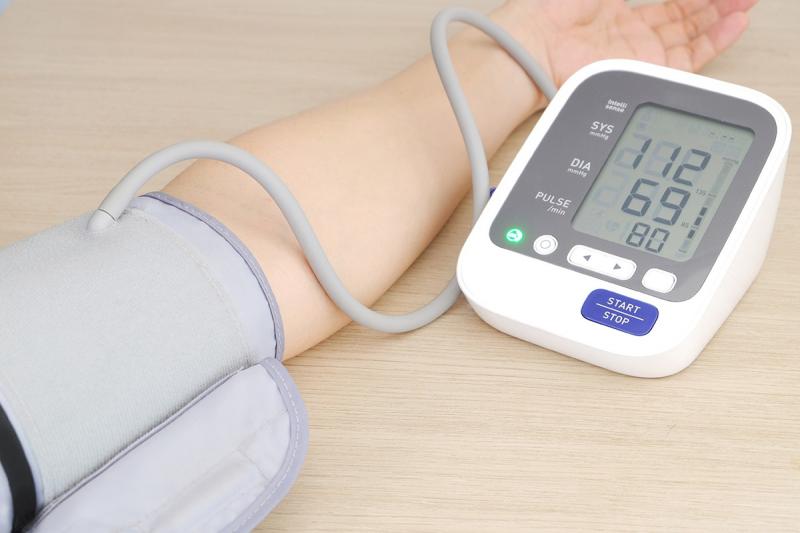
High blood pressure is a common health issue that can develop without noticeable symptoms, yet it is linked to an increased risk of heart disease, stroke, and kidney problems.
Therefore, maintaining blood pressure within healthy levels involves not only regular monitoring but also adopting a set of heart-healthy habits.
The American Heart Association and the Centers for Disease Control and Prevention recommend physical activity, a healthy diet, reducing sodium, maintaining a healthy weight, stress management, and quitting smoking, in addition to prescribed medical treatment when needed.
Top Tips for Naturally Lowering Blood Pressure:
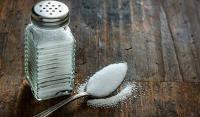
1. Reduce Salt Intake
Reducing sodium is one of the most critical dietary steps to help manage blood pressure. The American Heart Association recommends that sodium intake not exceed 2300 mg per day, with an ideal goal of 1500 mg per day for most adults with high blood pressure.
Reducing salt isn't just about not adding it to food, as large amounts of sodium are present in many processed, canned, and ready-to-eat foods.
2. Follow a Heart-Healthy Diet
Focus on vegetables, fruits, whole grains, legumes, nuts, seeds, and lean protein sources, while reducing highly processed foods, saturated fats, and added sugars.
This aligns with the dietary principles of the DASH diet, which is used to help control blood pressure.
3. Exercise Regularly
Regular physical activity can improve cardiovascular health and might help lower blood pressure.
Health guidelines recommend at least 150 minutes of moderate-intensity physical activity per week, such as brisk walking or cycling, spread across multiple days.
4. Maintain a Healthy Weight
Excess weight can put additional strain on the heart and circulatory system. Losing weight in overweight individuals can improve blood pressure.
The American Heart Association suggests that losing even a modest amount of weight in overweight individuals can help lower blood pressure.
5. Consume More Potassium-Rich Foods
Getting an appropriate amount of potassium from food can balance sodium effects and help control blood pressure.
Potassium-rich foods include bananas, potatoes, legumes, yogurt, and other potassium-laden items. However, potassium supplements or salt substitutes should not be used without consulting a doctor, especially for those with kidney disease or certain medications.
6. Get Enough Sleep
Sleep is as important as diet and physical activity for heart health.
Inadequate or poor-quality sleep is linked to high blood pressure. Establishing a regular sleep routine and ensuring adequate rest is beneficial.
Severe snoring or sleep apnea might require medical evaluation, as obstructive sleep apnea is associated with high blood pressure.
7. Manage Stress
Chronic stress can affect heart health and blood pressure, and may lead to unhealthy behaviors like overeating or smoking.
Try relaxation techniques such as deep breathing, meditation, yoga, along with physical activity and organized relaxation times.
8. Avoid Smoking and Nicotine
Smoking impacts the heart and blood vessels, with nicotine causing temporary increases in blood pressure.
Tobacco and nicotine products are linked to increased cardiovascular health risks, making quitting smoking a crucial step for heart health.
9. Limit or Avoid Alcohol
Excessive alcohol intake can elevate blood pressure. Thus, reducing it helps mitigate related risks.
The CDC warns that heavy drinking can raise blood pressure and increase the risk of heart disease and stroke.
10. Monitor Blood Pressure Regularly
Relying solely on how you feel isn't sufficient for determining if blood pressure is under control, as high blood pressure may be asymptomatic.
Home blood pressure monitoring and recording readings provide a clearer picture over time, offering useful information for physicians in evaluating treatment plans.

Can Blood Pressure Be Lowered Without Medication?
Lifestyle changes may help lower and better control blood pressure, but not everyone can dispense with medication.
Some with high blood pressure require medication alongside diet, exercise, and other healthy habits. Health authorities recommend working with a doctor to determine suitable treatment without altering medication without guidance.
What Is the Best Drink to Lower Blood Pressure?
There's no magical drink that instantly and safely reduces blood pressure for everyone. The focus should be on an overall healthy dietary pattern, reducing sodium, and avoiding excessive alcohol.
Caution is advised with herbal products or supplements claiming to lower blood pressure, especially for those on prescribed medications, as some substances might interfere with treatment.
When Does High Blood Pressure Become Worrisome?
Blood pressure readings vary and should be interpreted in the full health context, not based on a single reading.
The American Heart Association notes that readings below 120/80 mmHg are optimal, while hypertension starts at 130/80 mmHg or higher according to U.S. classification.
Consistently high readings warrant a doctor's visit to evaluate the condition and decide if lifestyle changes or medications are necessary.
See Also:
10 Tips for Heart Health
Why Do I Feel Thirsty All the Time?
Causes of Tingling in Hands and Feet