


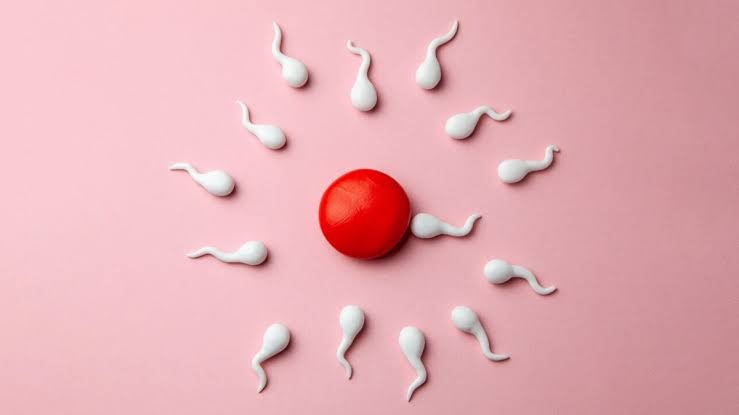
Sperm motility is a crucial indicator considered by doctors when evaluating male fertility. Effective movement is necessary for sperm to travel through the female reproductive system to fertilize the egg.
Problems may arise from a decrease in the number of motile sperm or a decline in their motility quality. Sperm motility issues don't always stem from a single cause; they may be linked to temporary factors that can be improved, or to underlying health issues requiring diagnosis and treatment.
Due to this variability, identifying a cause isn't possible based solely on symptoms. A semen analysis is essential for understanding sperm status.
What is Poor Sperm Motility?
Sperm motility refers to how well sperm can move. A semen analysis assesses the percentage of moving sperm along with concentration and morphology. Movement is categorized as progressive (forward movement), non-progressive, or immotile.
According to WHO standards, fertility evaluation should consider several semen characteristics alongside the clinical status of both partners.
Causes of Poor Sperm Motility
Varicocele
If the veins around the testicles expand, it can affect sperm production and quality due to environmental changes around the testicles.
Infections
Certain infections in the male reproductive system can affect sperm production or motility, including STIs and other infections.
Hormonal Disorders
Hormones are crucial for sperm production. Disorders affecting the pituitary or thyroid glands, or low levels of vital hormones, can impact sperm production.
Increased Testicular Temperature
Testicles need slightly cooler conditions to produce sperm effectively. Frequent exposure to high temperatures can impact sperm production.
Smoking
Smoking negatively affects sperm health indicators and can enhance oxidative stress affecting sperm cells.
Obesity and Overweight
Excess weight can lead to hormonal and metabolic disorders impacting sperm production and health. Maintaining a healthy weight and regular physical activity can boost reproductive health.
Malnutrition
An unbalanced diet affects overall health, including reproductive health. A balanced diet with vegetables, fruits, whole grains, and healthy fats is recommended for sperm production.
Some Medications
Certain medications may impact sperm production or fertility hormones. It's vital to inform your doctor about all current medications when assessing sperm motility issues.
Use of Anabolic Steroids
Using anabolic steroids for muscle gain can disrupt sperm production by altering hormonal signals controlling testicular function.
Exposure to Chemicals and Toxins
Occupational or frequent exposure to chemicals, pesticides, or heavy metals can affect reproductive health.
Genetic Factors
Occasionally, genetic factors may impact sperm production or motility, necessitating additional testing.
Injuries or Diseases of the Testicles
Injuries, previous surgeries, or diseases affecting the testicles may impair sperm production.
Does Poor Sperm Motility Mean Infertility?
Not necessarily. While it reduces pregnancy chances, it doesn't mean infertility. Pregnancy relies on sperm count, motility, and morphology, alongside female fertility factors and intercourse timing.
How is Poor Sperm Motility Diagnosed?
The diagnosis starts with a semen analysis, which assesses sperm count, motility, and morphology. Multiple tests may be required if initial results are abnormal.
Based on initial findings, medical history, and clinical examination, further tests like hormone analysis or genetic testing might be needed.
See Also:
Can Polycystic Ovary Syndrome Prevent Pregnancy?How to Grow Your Hair Fast