


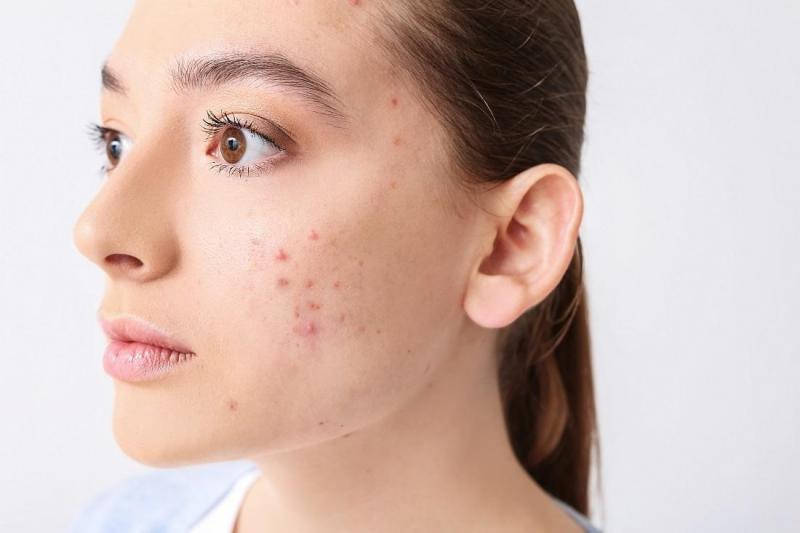
Is acne after the age of 30 normal? Yes, acne can appear in adulthood even after turning thirty, and its presence doesn't necessarily indicate a severe health problem.
Adult acne may differ from teen acne in some cases; it can appear as inflamed pimples or whiteheads and blackheads, often concentrated on the lower part of the face, such as the chin and jawline, especially when hormonal factors are involved.
Causes of Acne After 30
There are several potential reasons for the onset of acne in adults:
1. Hormonal ChangesHormonal fluctuations can be one of the main causes of adult acne, leading to increased activity of sebaceous glands, which produce more oil, clogging pores and triggering breakouts. Some women may notice an increase in acne during certain times of the menstrual cycle.
2. StressChronic stress can affect the body in various ways, potentially worsening skin issues, including acne. Stress isn't the sole cause but may exacerbate acne in susceptible individuals.
3. Cosmetics and SkincareUsing heavy or unsuitable skincare products can lead to clogged pores. It's advisable to choose non-comedogenic products and ensure proper cleansing, especially removing makeup before sleeping.
4. Hair ProductsOils and components in hair products can transfer to the skin, particularly around the forehead and hairline, causing breakouts. This risk increases with frequent use of oily or heavy products near the face.
5. Frequent Face TouchingTouching the face often can transfer dirt and oils from the hands to the skin, leading to acne. Popping pimples can also exacerbate inflammation and cause scarring.
6. Certain MedicationsSome medications might trigger acne or similar rashes in some individuals. A sudden outbreak following new medication should be discussed with a doctor without discontinuing the medication abruptly.
7. DietSome studies suggest a potential link between acne and dietary patterns, particularly high-glycemic diets. However, reactions can vary between individuals, and there isn't a one-size-fits-all diet for acne sufferers.
8. Poor Sleep and LifestyleInadequate sleep and continuous stress can indirectly impact skin health. Improving sleep habits and overall well-being can be part of a skincare routine alongside appropriate treatments.
Acne on the Chin and Jawline?
Acne on the lower face is often linked to hormonal changes, especially when they occur regularly each month.
Is Acne After 30 Linked to Polycystic Ovary Syndrome?
Not necessarily. Severe or sudden acne with symptoms like irregular periods or unusual hair growth might require hormone evaluation, but acne alone is insufficient for diagnosing polycystic ovary syndrome.
Managing Acne After 30
Gentle Skin CleansingWash your face with a gentle cleanser suitable for your skin type, avoiding overly harsh products.
Avoid Pimple PoppingPopping can worsen inflammation and cause pigmentation or scars.
Choose Suitable ProductsOpt for non-pore-blocking products, particularly moisturizers, sunscreens, and makeup.
Effective Acne Treatment Ingredients
Treatment choice depends on the type and severity of acne and skin type. Some topical treatments include:
- Salicylic acid
- Benzoyl peroxide
- Topical retinoids
- Azelaic acid
When to See a Dermatologist
Consult a doctor if acne is:
- Severe or painful
- Leaves noticeable scars
- Persists despite proper care
- Suddenly grows in number
- Affects mental health or confidence
- Accompanied by other symptoms suggesting hormonal issues
A dermatologist can identify potential causes and prescribe topical or medicinal treatment as needed.
Common Mistakes in Acne Treatment
Avoid using too many products simultaneously, rubbing the skin harshly, irritating home remedies, or continuously popping pimples. Using antibiotics or hormonal treatments without medical supervision may also be inappropriate and cause side effects.
ConclusionAcne after 30 can occur in both men and women, driven by a mix of factors, including hormonal changes, stress, unsuitable skincare products, medications, and daily habits. Severe or recurrent breakouts or those accompanied by symptoms should be evaluated by a dermatologist to pinpoint causes and develop a focused treatment plan, rather than trying various products haphazardly.