


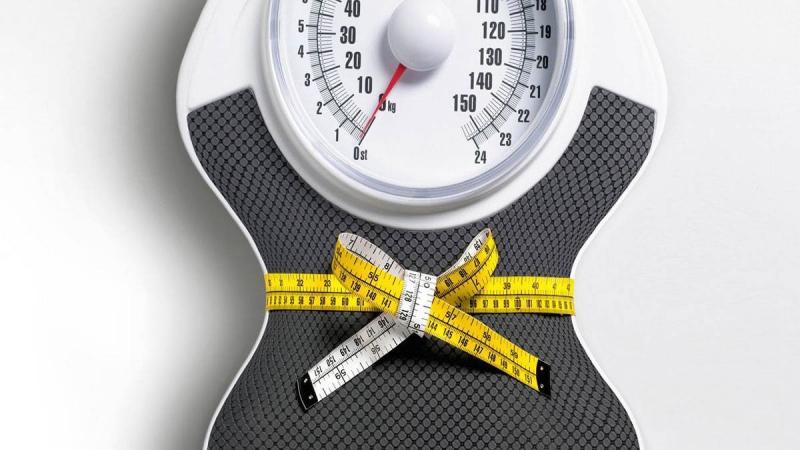
Weight loss plateau occurs when weight loss comes to a halt despite following the same diet. This can happen during a weight loss journey and doesn't necessarily indicate a health problem.
Initially, weight might drop quickly due to water loss. Over time, as body weight decreases, it requires fewer calories to maintain itself, making the former caloric deficit less effective.
Causes of a Weight Loss Plateau

1. Inaccurate Caloric Estimation
A common cause of weight plateaus is overlooking calories in meals and drinks. Seemingly healthy meals might, in fact, be high in calories because of add-ons like oils, sauces, nuts, or sweetened beverages. Guessing portion sizes by sight can also lead to overconsumption. Temporarily tracking food intake might help reveal unnoticed calorie sources.
2. Overeating Healthy Foods
Healthy foods aren't always low in calories. Nuts, avocados, olive oil, and some nut butters are nutritious but calorie-dense. Large quantities may lead to higher daily caloric intake than needed, even with a healthy diet.
3. Water Retention
Scale variations might be due to water, not fat. Water retention could be triggered by salty foods, hormonal shifts, certain medications, or intense new exercises, causing temporary weight stalling despite real fat loss.
4. Reduced Daily Activity
Focusing solely on exercise might neglect daily activity like prolonged sitting, not walking, or driving short distances, reducing overall energy consumption. Increasing daily movement, including walking and using stairs, is crucial for weight loss.
5. Less Calorie Need Post-Weight Loss
The more weight you lose, the less energy your body requires. The body might adapt by reducing certain energy expenditures, slowing down weight loss, necessitating a reevaluation of the diet after weight reduction.
6. Insufficient Protein Intake
Protein aids in satiety and preserving muscle mass during weight loss. Meals should include adequate protein sources like eggs, chicken, fish, lean meats, legumes, and dairy tailored to the individual's dietary needs.
7. Poor Sleep
Insufficient sleep affects appetite, eating habits, and daily activity levels, leading to fatigue, reduced movement, and cravings for high-calorie or sugary foods. Improving sleep quality helps maintain weight loss plans.
8. Stress and Psychological Pressure
Constant stress can influence eating behavior, sleep, and daily activity, often leading to larger food intakes or frequent snacking unnoticed.
9. Muscle Building with Exercise

Engaging in resistance training while dieting may simultaneously decrease fat and increase muscle mass, not always reflected on the scale but visible through body shape and waist circumference changes.
10. Not Sticking to the Diet All Week
Adhering to a low-calorie diet during weekdays but overeating on weekends can negate the achieved deficit. Caloric flexibility should be calculated to avoid binge eating episodes.
11. Health Conditions or Medications
Certain health issues or medications can affect weight or complicate weight loss, such as thyroid disorders or Polycystic Ovary Syndrome (PCOS). Persistent weight plateauing despite adherence to a diet warrants a discussion with a physician to investigate potential causes.
Overcoming Weight Loss Plateau

Consider practical steps like reviewing portion sizes, short-term food diary-keeping, being mindful of high-calorie oils and sauces, increasing daily movement, resistance training for muscle retention, ensuring enough sleep, focusing on protein and fiber-rich foods, and avoiding extremely restrictive diets. Track progress over weeks, considering waist measurement alongside weight.
Should You Further Cut Calories?
Not necessarily. Weight plateaus might be temporary due to fluid changes or other factors, so drastic calorie cuts aren't advised just because of a few unchanged scale readings.
When to See a Doctor?
Consult a doctor if weight plateau persists with unusual symptoms or difficulty managing weight despite a healthy lifestyle.
Summary
Weight plateau during dieting is common and doesn't imply wasted effort. Multiple factors affect weight, including fluid retention, caloric needs post-weight loss, minimal activity, and inaccurate portion estimations, in addition to sleep and stress.
Approach the plateau as a phase to calmly reassess dietary habits and daily activity rather than resorting to harsh diets or rapid solutions. If the plateau continues significantly or is accompanied by other symptoms, medical evaluation can be beneficial to exclude health reasons.
Related Links
Ovarian Cyst Symptoms in Married WomenInsulin Resistance Symptoms