


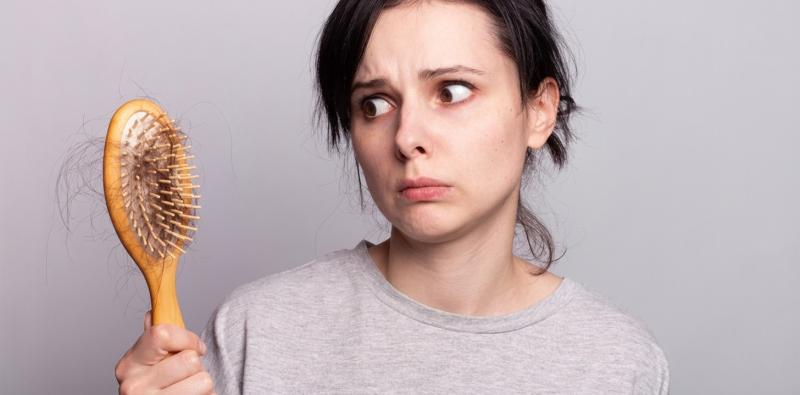
Hair loss in women is a widespread issue, but sudden and substantial hair loss can be particularly alarming, prompting a search for underlying causes. Several factors can lead to abrupt hair loss, including hormonal changes, nutrient deficiencies, psychological stress, certain illnesses, or medications.
While shedding 50 to 100 hairs daily is typical for a normal hair growth cycle, a noticeable increase in hair loss or the emergence of bald spots could indicate a health issue that requires diagnosis and treatment. Early identification of potential causes can facilitate timely intervention and prevent the condition from worsening.
Understanding Natural Hair Growth
Hair grows through three main stages:
Growth Phase (Anagen): Hair actively grows for several years.
Transitional Phase (Catagen): The hair follicle briefly pauses its growth.
Rest and Shedding Phase (Telogen): The hair falls out to make way for new hair.
Significant stress or a health disturbance can cause many hair follicles to enter the shedding phase simultaneously, a condition known as Telogen Effluvium, a common cause of sudden hair loss.
Causes of Sudden Hair Loss in Women

1. Psychological Stress and Severe Pressure
Chronic stress or undergoing a traumatic emotional event can affect the hair growth cycle, prompting many follicles to shed.
Triggers include:
- Losing a loved one.
- Experiencing extreme stress.
- Chronic anxiety.
- Depression.
- Persistent physical exhaustion.
In many cases, the hair shedding starts two to three months after the triggering event.
2. Illnesses and Severe Fever
Severe illness or viral/bacterial infections can lead to hair loss post-recovery.
Examples include:
- High fever.
- Severe infections.
- Major surgeries.
- Hospitalization-requiring diseases.
Such hair loss is usually temporary, with growth resuming after the cause is addressed.
3. Rapid Weight Loss
Extreme dieting or fast weight loss can deprive the body of vital nutrients necessary for hair growth.
Risk factors increased by:
- Low-calorie diets.
- Lack of protein.
- Bariatric surgeries like gastric sleeve and bypass.
- Eating disorders.
Gradual weight loss with a balanced diet is recommended.
4. Hormonal Changes
Hormones play a crucial role in hair health. Any hormonal imbalance can increase hair shedding.
Postpartum Hair Loss
This is common due to decreased estrogen levels after childbirth. It leads to significant hair shedding around three months later, usually temporary, with hair returning to normal within months.
Thyroid Disorders
Both hypothyroidism and hyperthyroidism can disrupt the hair growth cycle, causing noticeable hair loss.
Polycystic Ovary Syndrome (PCOS)
PCOS can increase male hormones, weakening and thinning hair, especially at the front of the scalp.
Stopping Birth Control Pills
Suddenly discontinuing hormonal contraceptives can trigger temporary hormonal changes leading to hair loss.
5. Nutrient Deficiencies
Hair requires various vitamins and minerals to stay robust and healthy.
Iron Deficiency
A primary cause of hair loss in women, especially with heavy menstruation, as low iron stores weaken hair follicles.
Vitamin D Deficiency
Studies suggest a link between low vitamin D and increased hair loss.
Vitamin B12 and Zinc Deficiency
Both essential for cell growth and regeneration; their deficiency can lead to weak hair and increased shedding.
6. Autoimmune Diseases
Sudden hair loss may result from autoimmune diseases, notably:
Alopecia Areata
Occurs when the immune system attacks hair follicles, causing sudden circular bald patches, possibly affecting the scalp or other body areas.
7. Scalp Infections
Fungal or bacterial infections may cause hair loss, especially if accompanied by:
- Itching.
- Redness.
- Scaling.
- Pain.
Early treatment is crucial to prevent follicle damage.
8. Medications
Hair loss may be a side effect of certain drugs, such as:
- Blood pressure medications.
- Blood thinners.
- Certain antidepressants.
- Chemotherapy.
- Some acne medications.
Always consult a doctor before stopping any medication.
Can Hair Grow Back?
Yes, in most temporary cases such as stress, childbirth, or nutrient deficiencies, hair often regrows once the cause is addressed, though it may take several months for results to appear. Chronic or genetic-related hair loss might require prolonged dermatological follow-up.
How Do Doctors Diagnose Hair Loss Causes?
Diagnosis involves:
- Medical history.
- Clinical examination.
- Scalp assessment.
- Hair loss pattern evaluation.
- Potential tests like:
- Complete blood count (CBC).
- Ferritin levels.
- Thyroid function test (TSH).
- Vitamin D.
- Vitamin B12.
- Zinc.
- Hormonal assessments if necessary.
How to Treat Sudden Hair Loss
Treatment depends on the primary cause and may include:
Treating Vitamin and Mineral Deficiencies
Supplements may be recommended if tests reveal deficiencies.
Treating Thyroid Disorders
Regulating thyroid function can reduce hair loss and enhance regrowth.
Treating Skin Diseases
Fungal infections or alopecia require specific treatments prescribed by a doctor.
Reducing Stress
Improving sleep quality, exercising, and practicing relaxation techniques can reduce stress-related hair loss.
Hair Care
Use suitable shampoos and avoid excessive heat, frequent dyeing, and tight hairstyles.
When to See a Doctor
Consult a doctor if:
- Hair loss exceeds normal levels noticeably.
- It persists for several months.
- Sudden bald patches appear.
- It’s accompanied by pain, itching, or redness on the scalp.
- It occurs after starting a new medication.
- Coupled with symptoms like extreme fatigue, menstrual irregularities, or unexplained weight loss.
Early diagnosis helps identify causes and initiate suitable treatment to prevent permanent follicle damage.
Tips to Prevent Hair Loss
Minimize hair loss risk by:
- Eating a balanced diet rich in proteins and iron.
- Increasing vegetable and fruit intake.
- Avoiding extreme diets.
- Drinking enough water.
- Getting adequate sleep.
- Reducing stress.
- Avoiding excessive use of heat styling tools.
- Getting regular check-ups if symptoms persist.
In conclusion, understanding the causes of sudden hair loss in women is the first step toward finding the right treatment. While the cause might be as simple as stress or iron deficiency, it could also relate to hormonal imbalances or conditions requiring medical follow-up.
Since most sudden hair loss cases are treatable when detected early, consulting a doctor and conducting necessary tests help accurately identify the cause, aiding gradual hair health recovery.
Also, see:
Can Pregnancy Occur the First Time?
Numbness in Hands with Neck Pain: Is Nerve Compression the Cause?