


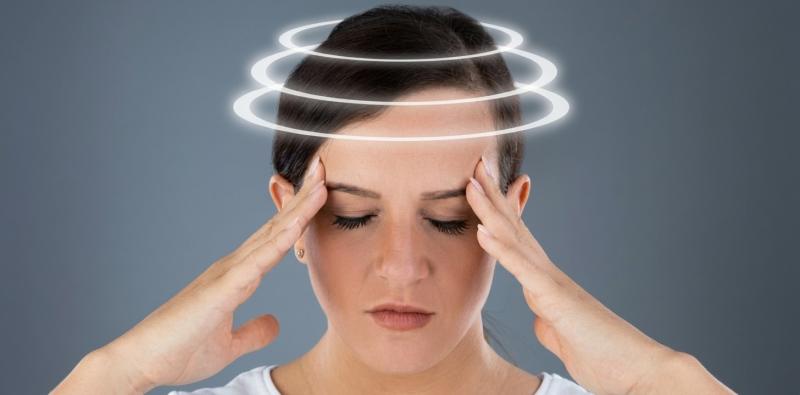
Why do I feel dizzy when standing up suddenly? This question is one of the most common, especially among individuals who experience unexpected dizziness or imbalance after rising from sitting or lying down. In most cases, this is due to orthostatic hypotension, a temporary condition that occurs when blood pressure drops for a few seconds after standing, reducing blood and oxygen supply to the brain.
Although often minor and not a cause for concern, frequent occurrences or accompanying symptoms may indicate a health issue needing medical evaluation. Thus, understanding the causes of dizziness when standing and prevention methods, alongside signs needing medical attention, is crucial.
What is Orthostatic Hypotension?
Orthostatic Hypotension is a temporary drop in blood pressure occurring when transitioning quickly from sitting or lying down to standing.
Normally, the body quickly responds to this change by narrowing blood vessels and increasing heart rate to sustain blood flow to the brain. If this response is delayed, one may experience dizziness, blurred vision, or imbalance for a few seconds.

Why Does Dizziness Occur When Standing Suddenly?
Upon standing, gravity affects circulation, causing blood to pool in the legs and abdomen. If the body cannot quickly adjust, blood pressure temporarily drops, reducing brain blood flow and causing dizziness.
Dizziness intensity can vary based on age, health status, fitness level, and body fluid levels.
Common Causes of Dizziness When Standing Suddenly
Several factors can lead to dizziness upon standing. Notable causes include:
Dehydration
Dehydration is a common cause, as fluid loss reduces blood volume, impairing the body's ability to maintain blood pressure upon standing.
Low Blood Sugar
Delayed meals or prolonged fasting can lower blood sugar levels, causing dizziness and general weakness.
Sudden Standing
Transitioning abruptly from sleeping or sitting for extended periods to standing gives the body insufficient time to adjust to the posture change.
Pregnancy
During pregnancy, hormonal changes cause blood vessels to dilate, naturally lowering blood pressure. Many women, especially in early months, experience dizziness.
Hot Weather
Exposure to extreme heat dilates blood vessels and causes fluid loss through sweating, increasing the likelihood of low blood pressure.
Medical Reasons for Dizziness When Standing
In some cases, dizziness may indicate a health issue requiring diagnosis and treatment, such as:
Anemia
Low red blood cell or hemoglobin levels decrease oxygen supply to the brain, raising dizziness risk.
Heart Diseases
Heart disorders like slow heart rate or heart muscle weakness can impair efficient blood pumping.
Endocrine Disorders
Thyroid or adrenal gland issues may cause low blood pressure and dizziness.
Diabetes
Over time, diabetes can damage nerves regulating blood pressure, increasing orthostatic hypotension risk.
Side Effects of Medications
Some medications causing dizziness include:
- Blood pressure drugs.
- Diuretics.
- Certain antidepressants.
- Some heart medications.
Consult a doctor before stopping any medication.
Symptoms Accompanying Dizziness When Standing
Dizziness might be accompanied by other symptoms varying from person to person, including:
- Blurred or distorted vision.
- Imbalance.
- General weakness.
- Mild headache.
- Heart palpitations.
- Feeling faint.
These symptoms usually disappear within seconds or minutes after sitting or lying down.
Is Dizziness When Standing a Sign of Pregnancy?
Dizziness can be an early pregnancy symptom, especially if paired with a missed period, breast pain, nausea, and fatigue. It results from blood vessel dilation and elevated progesterone, naturally lowering blood pressure.
However, dizziness alone cannot confirm pregnancy, with a pregnancy test being the most accurate diagnostic method.
When Does Dizziness Become Dangerous?
While dizziness when standing is often not serious, some scenarios warrant immediate medical attention, such as:
- Fainting.
- Chest pain.
- Shortness of breath.
- Limb weakness or numbness.
- Speech disturbances.
- Loss of consciousness.
- Daily recurrent dizziness.
- Infection or bleeding with dizziness.
These symptoms may indicate more severe health issues needing prompt medical intervention.

How to Prevent Dizziness When Standing?
Reduce dizziness likelihood by adopting some healthy habits:
Stand Gradually
Begin by sitting on the bed's edge for a minute before standing, especially when waking up.
Hydrate Adequately
Maintaining hydration supports circulation and prevents low blood pressure.
Eat Regular Meals
This helps maintain blood sugar levels and reduce dizziness.
Exercise Regularly
Regular physical activity improves circulation efficiency and enhances blood pressure regulation.
Avoid Prolonged Standing
If standing for long periods, try moving your legs occasionally to stimulate blood flow.
Minimize Heat Exposure
Avoid very hot baths or prolonged sun exposure in hot weather.
How Does a Doctor Diagnose Dizziness Causes?
If dizziness recurs frequently, a doctor may conduct tests such as:
- Blood pressure measurement while lying down and standing.
- Complete blood count to check for anemia.
- Blood sugar level measurement.
- Electrocardiogram.
- Thyroid or adrenal function tests if needed.
Treatment then depends on the diagnosed underlying cause.
In conclusion, feeling dizzy when standing suddenly often relates to orthostatic hypotension, a common condition caused by a temporary blood pressure drop when standing. It is usually not severe and preventable through drinking water, standing gradually, and adopting a healthy lifestyle.
If dizziness is frequent, severe, or accompanied by fainting, chest pain, or neurological symptoms, consult a doctor for cause identification and appropriate treatment.
Related:
Top 10 Signs Your Body Needs Water