


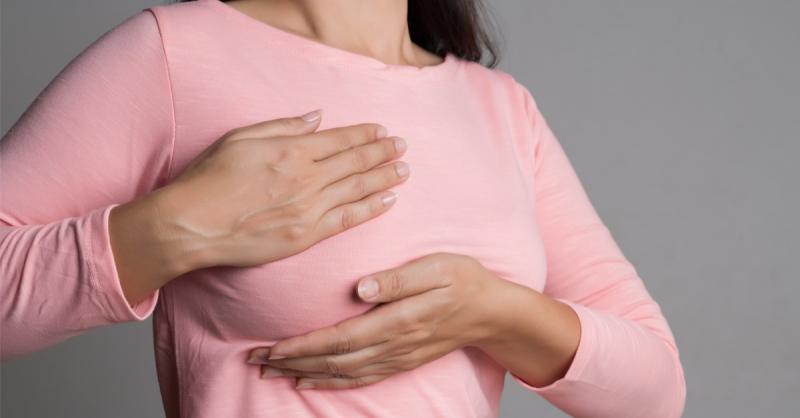
Breast pain and heaviness are among the most common early signs of pregnancy. These symptoms can appear in many women within the first or second week after conception, due to rapid hormonal changes preparing the body for pregnancy and breastfeeding. However, this symptom alone does not confirm pregnancy, as it closely resembles premenstrual symptoms.
Many women seek to distinguish between breast pain caused by pregnancy and that related to menstrual cycles. This guide will explain the reasons for this symptom, the main differences between the two conditions, and other early pregnancy symptoms, with reliable medical information to help you understand what is happening in your body.
Why Does Breast Pain Occur in Early Pregnancy?
After conception, the body releases higher amounts of estrogen and progesterone hormones, alongside an increase in human chorionic gonadotropin (HCG). These changes increase blood flow to the breasts and stretch milk ducts and fatty tissues in preparation for breastfeeding.
Additionally, the nerve endings in the breasts become more sensitive, explaining the feeling of pain, tingling, or heaviness even with light touch or clothing friction. Symptoms vary in intensity from woman to woman, ranging from mild in some to very noticeable in others.
When Does Breast Pain Start as a Pregnancy Sign?
In most cases, breast pain begins one to two weeks post-conception, slightly before the expected period. However, not all women experience this symptom at the same time—it may appear early for some and later or not at all for others.
Moreover, the pain may persist during the first few weeks of pregnancy, gradually easing as hormone levels stabilize during the second trimester.
What is Breast Pain Like During Pregnancy?
Several characteristics distinguish pregnancy-related breast pain, including:
A feeling of heaviness and fullness
Women may feel that their breasts have become fuller and heavier than usual, noting a slight increase in size.
Increased sensitivity to touch
Touching the breasts, wearing a bra, or even clothes touching them may cause discomfort.
Persistent pain
The pain usually does not go away quickly and can last for days or weeks as the pregnancy continues.
Tingling or numbness
Some women feel a mild tingling or burning sensation due to increased blood flow to the breast tissues.
Difference Between Breast Pain During Pregnancy and Menstrual Cycle
Despite significant similarities, there are noticeable differences.
Breast pain associated with menstruation
Usually begins a few days before menstruation and is mild to moderate. It diminishes or disappears with the onset of menstrual bleeding due to hormonal decrease.
Breast pain associated with pregnancy
In contrast, the pain is usually more pronounced, accompanied by heaviness and fullness, and persists past the expected period date, potentially increasing through the early weeks of pregnancy. Despite these differences, relying on pain alone cannot confirm pregnancy as symptom nature varies between women.
Other Breast Changes Early in Pregnancy
In addition to pain, women might notice additional changes such as:
-Gradual increase in breast size.
-Darkening of the areola around the nipple.
-Prominent blue veins due to increased blood flow.
-Increased nipple sensitivity.
-Appearance of small bumps around the nipple known as Montgomery glands.
Some women also experience mild itching due to skin stretching as breasts grow.
Early Pregnancy Symptoms Accompanying Breast Pain
If breast pain is accompanied by the following symptoms, the likelihood of pregnancy increases:
Missed period
A missed period is one of the most compelling reasons women take a pregnancy test.
Fatigue
Progesterone levels rise significantly in early pregnancy, causing fatigue without exertion.
Nausea
Nausea may start early for some women, especially in the morning, though it can occur at any time of day.
Frequent urination
Hormonal changes and increased blood flow to the kidneys result in more frequent urination.
Appetite changes
Women may develop aversions to certain smells or foods or have strong cravings for specific foods.
Implantation bleeding
In some cases, light bleeding occurs before the expected period due to the fertilized egg implanting in the uterine lining.
Does All Breast Pain Indicate Pregnancy?
The answer is no. Many factors can cause breast pain, including:
-Approaching menstruation.
-Natural hormonal changes.
-Hormonal contraceptive use.
-Pregnancy.
-Breastfeeding.
-Benign breast cysts.
-Breast infections in some cases.
Thus, this symptom alone should not be used to diagnose pregnancy.

When Should a Pregnancy Test Be Done?
If the period is delayed with continuous breast pain and other symptoms, it is advisable to take a home pregnancy test a day or more after the missed period for more accurate results.
If the result is negative and the period is still absent, it is recommended to retake the test after two or three days or undergo a clinical blood test for a more definitive result.
When to Consult a Doctor for Breast Pain?
Breast pain related to pregnancy is generally normal and needs no treatment. However, a doctor should be consulted if the following signs appear:
-A new lump in the breast.
-Bloody discharge from the nipple.
-Severe redness and warmth in the skin.
-Significant pain in one breast only.
-Persistent pain for an extended period without a clear cause.
Medical evaluation helps rule out any other treatable causes.
Tips to Relieve Breast Pain During Pregnancy
Discomfort from breast pain can be reduced through simple measures:
-Wear a comfortable, supportive bra.
-Choose soft cotton clothing.
-Avoid direct pressure on the breasts.
-Use warm or cold compresses as needed.
-Sleep in a comfortable position with breast support if necessary.
Additionally, maintaining a healthy lifestyle and drinking enough water can improve overall well-being during the early weeks of pregnancy.
In conclusion, breast pain is a common early symptom, but it is not a definitive sign of pregnancy due to its similarity to premenstrual symptoms. Continuous pain after a missed period and the appearance of other symptoms like nausea, fatigue, and frequent urination increase the likelihood of pregnancy.
A pregnancy test and blood analysis remain the most accurate ways to confirm pregnancy, while consulting a doctor helps assess any unusual symptoms and ensures the mother's health.
See Also
What Causes Mood Swings in Women?