


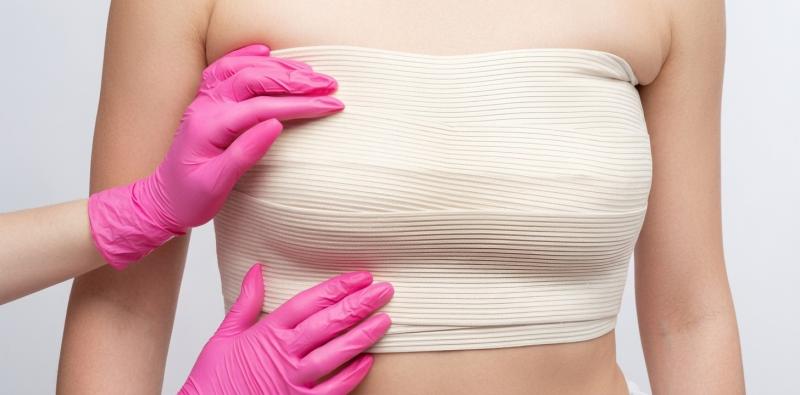
Many women seek the most common questions about breast augmentation before deciding to undergo the procedure. They wish to know about suitable implant types, the safety of the surgery, recovery time, and long-term expectations.
Additionally, knowing accurate medical answers helps set realistic expectations and understand the benefits and potential risks of the procedure. It's always advised to discuss all details with a certified plastic surgeon before making a decision.
When is Breast Augmentation Appropriate?
Before addressing the most prevalent questions, it's crucial to know that breast augmentation may suit women looking to increase breast size, enhance symmetry, restore fullness post-pregnancy and breastfeeding, after weight loss, or correct asymmetry. The final decision relies on a clinical examination and medical assessment, considering the patient’s general health and expectations.
1. What Types of Breast Implants Are There? Which is Best?
Breast implants mainly come in two types:
- Silicone Implants: These are the most used, providing a feel similar to natural breast tissue, preferred by many surgeons and patients.
- Saline Implants: Filled with sterile saline after insertion, requiring a smaller incision but may feel less natural to some women.
There's no best implant for everyone. The choice depends on body shape, current breast size, and the doctor's recommendation.
2. Does Breast Augmentation Affect Breastfeeding?
In most cases, the procedure doesn't affect the ability to breastfeed, especially if the implant is placed behind the chest muscle or breast tissue without affecting the milk ducts. However, results can vary, so informing the doctor of future pregnancy and breastfeeding plans is necessary.
3. Where is the Implant Placed?
The doctor determines implant placement based on body structure and breast tissue amount.
Above the Muscle (Subglandular):
This suits women with enough tissue to cover the implant and provides a shorter recovery.
Under the Muscle (Submuscular):
Offers a more natural look, especially for slender women, and may reduce the likelihood of capsular contracture.
4. Are Breast Implants Permanent?
Modern implants are designed to last many years but aren't lifetime devices. In many cases, implants can last over 10 or 15 years without needing replacement, unless there's rupture, change in breast shape, or complications that require medical intervention.
5. Where Will the Scar Be After the Procedure?
The position of the incision depends on the technique used. Common options include:
- Below the breast in the natural fold.
- Around the areola.
- Occasionally in the armpit area for some cases.
Scars usually become less noticeable over time, especially with adherence to medical advice and scar management products when needed.
6. How Long is the Recovery Period?
Recovery time varies per individual but generally includes:
- Returning to desk work in 5 to 7 days.
- Most swelling subsiding in a few weeks.
- Avoiding strenuous exercise and heavy lifting for 4 to 6 weeks.
Following the doctor's instructions accelerates recovery and reduces complications.
7. Do Silicone Implants Cause Breast Cancer?
Current scientific evidence finds no proven link between silicone implants and common breast cancer. However, there are very rare cases of a specific lymphoma associated with some textured implants (BIA-ALCL), distinct from conventional breast cancer.
Periodic follow-ups with the doctor are advised, and any abnormal changes should be reported. Breast imaging like mammograms can be conducted with implants in place, with technicians informed about their presence.
8. Can Breast Augmentation Be Done with Fat Transfer?
Yes, using self-fat collected from other body areas and injected into the breast is possible. This method provides natural results without foreign bodies but usually offers limited size increase and may not suit those seeking a noticeable enlargement.
9. How Does a Doctor Choose the Right Size?
The implant size choice is based on various factors, including:
- Chest width.
- Current breast size.
- Skin elasticity.
- Body symmetry.
- Patient's desire and expected outcome.
Some clinics employ 3D simulation techniques to help patients visualize results before surgery.
10. What Are the Major Risks and Complications?
Like any surgical procedure, breast augmentation carries some risks, including:
- Infection.
- Bleeding.
- Fluid accumulation.
- Temporary or permanent changes in nipple sensation.
- Capsular contracture.
- Implant rupture or needing replacement in the future.
Choosing a qualified plastic surgeon and adhering to their guidance significantly reduces the chance of such complications.
Tips Before Undergoing Breast Augmentation
For optimal results, the following is advised:
- Choose an experienced, certified plastic surgeon.
- Discuss realistic expectations before the procedure.
- Complete required examinations.
- Quit smoking if recommended by the doctor.
- Follow all pre- and post-operative instructions.
- Attend regular follow-up appointments.
In conclusion, understanding the most common questions about breast augmentation aids in comprehending the procedure's details and making an informed, medically accurate decision. While the surgery is among the most common and successful cosmetic procedures, selecting the right doctor and discussing all options, risks, and expected outcomes is crucial for achieving a safe result that aligns with body shape.
See Also
Why Do I Feel Tired All The Time Despite Sleeping?