


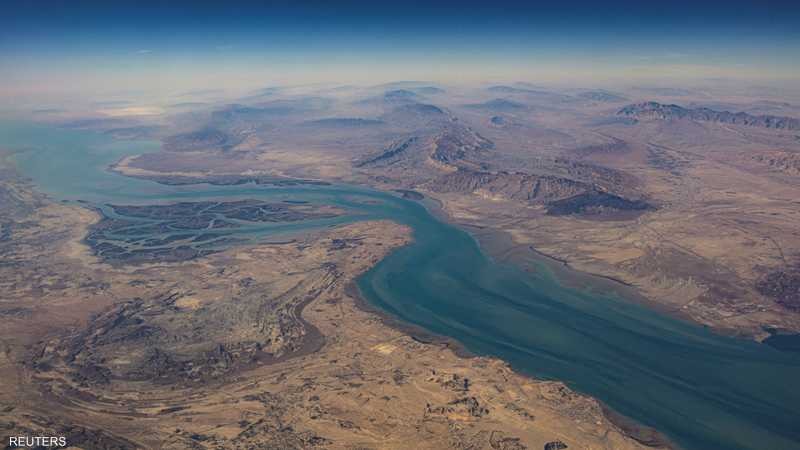
Oman and Iran have initiated discussions to establish a temporary joint maritime corridor through the Strait of Hormuz, aiming to restore safe navigation in one of the world’s most critical passages for energy and global trade. This move coincides with technical negotiations for permanent arrangements regarding ship movements in the strait.
The Omani Ministry of Foreign Affairs announced that Foreign Minister Badr bin Hamad al-Busaidi held constructive consultations with his Iranian counterpart Abbas Araqchi in Tehran. These talks focused on practical solutions to resume safe navigation while respecting both nations' sovereignty and rights.
The discussions are geared towards formulating a phased framework applicable under the current conditions affecting the strait, subsequent to disruptions impacting energy flows and maritime trade.
The proposal entails creating a temporary joint maritime corridor which would facilitate vessel passage based on mutually agreed arrangements between Muscat and Tehran, alongside a joint initiative to clear mines from the strait, thus reducing navigational risks.
Neither Oman nor Iran view the temporary corridor as a final solution. The ongoing technical negotiations aim to establish a permanent corridor and future arrangements for managing maritime traffic.
The talks also involve creating a mechanism for information exchange, regulating vessel movements, and providing navigation and security services, indicating that discussions go beyond merely determining a geographic route to developing an operational framework for managing maritime movement.
The proposal holds significant political and security sensitivity, given the existing disputes over regulation authority in the strait, and its linkage to broader tensions between Iran and the United States.
While Tehran asserts sovereign rights over its waters and passages, the U.S. insists on free commercial navigation and opposes unilateral Iranian restrictions on vessels.
In this context, the Omani-Iranian proposal could serve as a transitional formula to decouple navigation issues from direct confrontation through shared arrangements, potentially facilitating vessel movement pending a broader political and security resolution.
Oman’s pivotal role in this scenario is underscored by its strategic geographic location, sharing direct access to the Strait of Hormuz with Iran, and its capacity to maintain communication channels with Tehran, Washington, and other regional players.
Both sides reiterated the importance of complying with international law and respecting coastal states' sovereign rights, continuing discussions about areas overlooking the Gulf waters.
The mine removal project stands out as a key practical aspect of the proposed understanding, as ensuring safe maritime routes is essential for reinstating vessel movement and reducing associated insurance and shipping costs tied to security risks.
However, transitioning from a temporary corridor to permanent arrangements will hinge on the results of technical negotiations and the positions of the U.S., regional countries, and international powers relying on the strait for energy and trade supplies.
Thus, the Tehran talks open a new avenue for addressing the Strait of Hormuz crisis from a pragmatic angle, starting with ensuring vessel passage and mine removal before tackling the more complex question of navigation management and the formulation safeguarding both passage rights and the coastal states' sovereignty.