


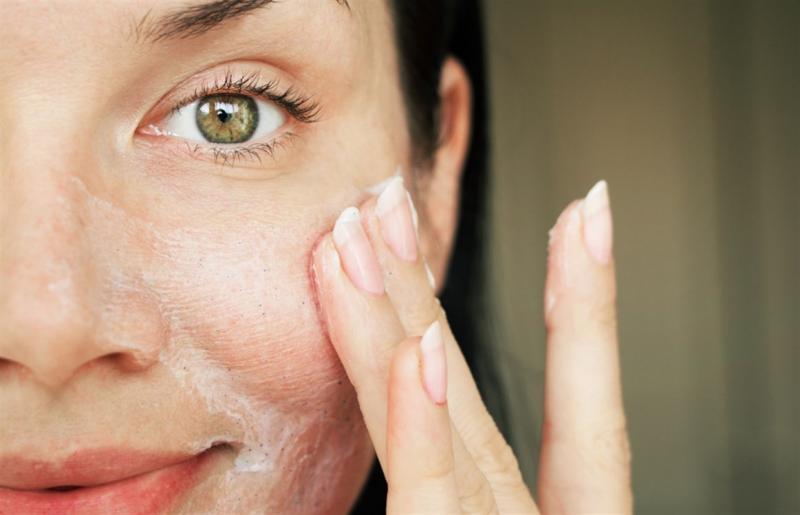
Many women dream of having radiant and healthy skin, but achieving this goal isn’t necessarily linked to expensive products or a complicated skincare routine filled with numerous products.
Daily exposure to sunlight, pollution, and weather changes, along with cleaning methods and the types of products used, and everyday habits can all impact your skin's appearance.
The best way to care for your skin starts with understanding its needs and adopting key steps that can be maintained in the long run.
Selecting suitable products and using them correctly can be more beneficial than constantly switching between different products and routines.
Top Methods for Skincare and Maintaining Radiance:

Understand Your Skin’s Needs Before Choosing Products
Not all skin types require the same routine. What suits dry skin may not be suitable for oily skin, and sensitive skin requires special consideration when choosing products and ingredients.
Before purchasing any product, it's crucial to observe whether your skin is dry, oily, sensitive, or prone to breakouts, to build a simpler and more effective routine rather than using products that might cause irritation or additional problems.
Cleanse Without Overwashing
Cleansing is a fundamental part of any skincare routine because it helps remove dirt, oils, and makeup residue that accumulate on the skin's surface throughout the day.
However, washing the face excessively or using harsh cleansers doesn’t mean cleaner skin. Over-cleansing can lead to dryness or irritation, especially for those with sensitive and dry skin.
How to Choose the Right Cleansing Method?
It’s advisable to choose a gentle cleanser compatible with your skin type, avoiding vigorous scrubbing or using excessively hot water. Make sure to remove makeup thoroughly before bed and not leave any residue on the skin for long hours.
Don’t Neglect Moisturizing, Even For Oily Skin
A common mistake is believing that oily skin doesn’t need moisturizing. Producing oils doesn’t mean the skin doesn’t require a product to help maintain its balance.
Moisturizing helps support the skin barrier and keeps it looking smooth and supple, so it’s best to choose a moisturizer suited to the skin’s nature and with a texture that feels comfortable to use.

Choosing Moisturizer Based on Skin Type
Oily skin might prefer lighter formulations while dry skin often needs a more intensive moisturizer. For sensitive skin, it is better to choose simple products and avoid ingredients that previously caused irritation.
Never Skip Sunscreen
Sun protection is one of the most vital steps in maintaining skin health and appearance. Frequent exposure to ultraviolet (UV) rays can contribute to pigmentation, skin discoloration, and early aging signs.
Sun protection shouldn’t be limited to the summer but should depend on sun exposure levels and daily activities. It’s important to select a sunscreen suitable for your skin and use it according to the manufacturer’s instructions.
Avoid Using All Products at Once
It might seem that a skincare routine is more effective with more products, but that's not always true. Using several new products or strong ingredients at once can make it difficult to identify the cause of any irritation.
It's better to build a routine gradually, starting with the basics, then adding products as needed. Testing a new product on a small skin area can help notice any unwanted reactions.
Basic Routine to Start With
The daily routine can be limited to three main steps:
-Suitable cleansing.
-Moisturizing suitable for your skin type.
-Sun protection during the day.
Other products can be added depending on the skin’s needs.

Do Not Over-Exfoliate the Skin
Exfoliation can in some cases improve skin texture and remove accumulated dead cells, but over-exfoliating can produce adverse results.
Skin that is exfoliated repeatedly or with strong products may become more prone to dryness, redness, and sensitivity. Therefore, it's best to use exfoliating products cautiously, adhering to instructions on their use.
If the skin starts feeling burned, becomes extremely red, or more sensitive than normal, it may be a sign to stop the product and review the routine being used.
Avoid Touching Your Face and Picking Pimples
Your hands come into contact with many surfaces throughout the day, so continuously touching your face can transfer dirt and oils to your skin.
Popping pimples or fiddling with them can increase skin irritation and lead to marks difficult to get rid of later.
Therefore, it's better to leave skin problems to suitable products or consult a dermatologist if the condition persists.
Focus on Cleanliness of Skin-Contact Items
Skincare is not limited to products directly used on your face; other items that frequently touch your skin can also impact its cleanliness.
Items to Keep Clean
Include:
-Makeup applicators.
-Face towels.
-Pillowcases.
-Mobile phones when they contact the face.
Caring about these details helps reduce the accumulation of dirt that might transfer to your skin.
Prioritize Sleep and Rest
Lack of sleep and rest can indeed reflect on facial appearance, making the skin look less vibrant and more tired under continuous fatigue, with dark circles more apparent around the eyes for some people.
Therefore, organizing sleep schedules and getting adequate rest are part of comprehensive skincare, alongside using external products.
Select a Balanced Diet
No single meal can instantly grant fresh skin, but a balanced and varied diet supports overall body health.
Focus on consuming vegetables, fruits, proteins, and healthy fats within a suitable diet, alongside staying hydrated according to the body's needs.
If you notice a specific skin issue related to a particular dietary pattern, discussing it with a specialist might be beneficial instead of following random diets or depriving the body of essential food groups.
Don’t Ignore Persistent Skin Problems
While some issues might improve with enhanced skincare routines, some conditions can't rely solely on changing cleansers or moisturizers.
If issues like acne, itching, redness, or peeling persist, or if unexpected skin changes occur, consulting a dermatologist is advisable. Accurate diagnosis can help determine the cause and appropriate treatment, avoiding multiple product trials that might delay finding a solution.
Related Links:
Reasons for Severe Skin Dryness and How to Treat It