


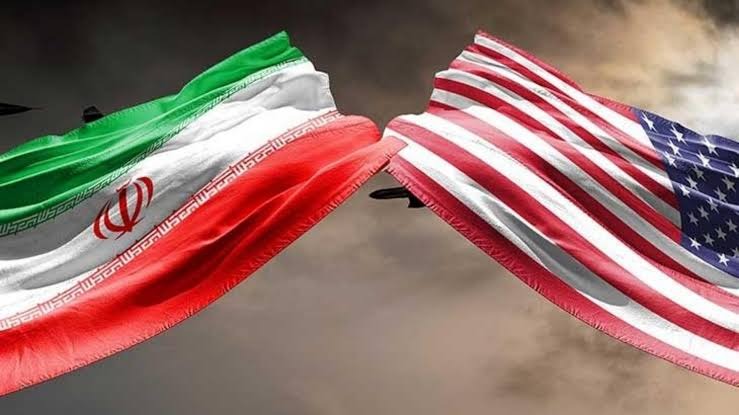
The Iranian Revolutionary Guard announced on Wednesday that initial understandings have been reached with the Sultanate of Oman regarding the regulation of navigation in the Strait of Hormuz amid ongoing regional tensions.
Revolutionary Guard spokesman Hossein Mohbi explained that discussions between Tehran and Muscat resulted in preliminary agreements concerning the shares of countries bordering the strait and the mechanism for distributing its revenue, noting that U.S. positions pose a barrier to completing these understandings and turning them into a final agreement.
These developments come after weeks of intensive talks between Iran and Oman, which on Tuesday saw a meeting between the foreign ministers of both countries in Tehran. During this meeting, they discussed a proposal to organize a temporary transit route through the strait, as well as a joint technical project aimed at clearing sea mines.
The Strait of Hormuz is one of the world's most crucial waterways, as a significant portion of global oil and gas exports passes through it under normal circumstances, making any disruption in navigation a direct threat to energy markets and international trade.
The Iranian-Omani understandings come as the region experiences ongoing escalation, with restrictions on navigation in the strait persisting since military confrontations erupted on February 28, alongside U.S. countermeasures and stringent sanctions aimed at economically pressuring Iran.
The question remains: Will Tehran and Muscat succeed in solidifying their understandings regarding Hormuz, or will U.S. pressures become a stumbling block to reopening one of the world's most crucial energy arteries?