


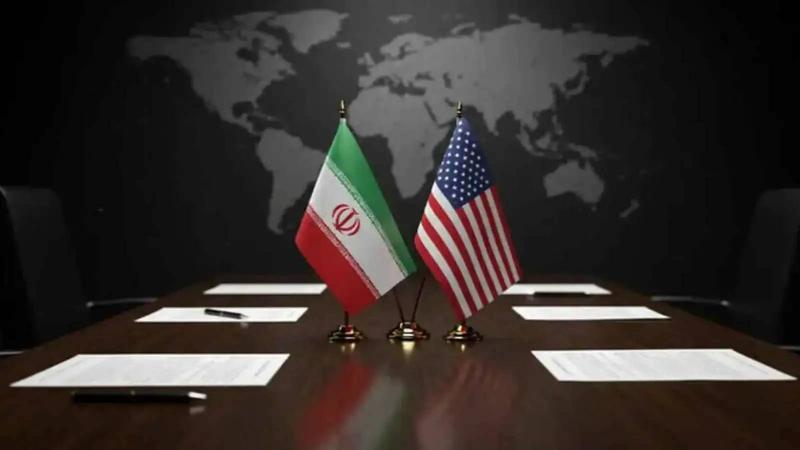
Iran has set conditions for resuming diplomatic engagement with the United States, asserting that Washington must first return to fulfilling its previous commitments. Meanwhile, Qatar and Pakistan are exploring the revival of agreements outlined in the 'Islamabad Memorandum of Understanding.'
Iranian Deputy Foreign Minister Kazem Gharibabadi remarked that new U.S. sanctions on Tehran were not an unforeseen development, emphasizing that Iran is prepared to handle them.
He added that if the U.S. seeks a return to diplomatic discussions, it must recognize, according to Tehran's narrative, that Iran did not violate the Islamabad Memorandum of Understanding.
Gharibabadi accused Washington of 'betraying diplomacy and negotiations for the third time in the past 16 months,' stressing that Iran will not bear the cost of what he described as the U.S.'s retraction from its commitments.
Hormuz at the Core of Iranian Conditions
The Iranian official linked any action from Tehran regarding the Strait of Hormuz to reciprocal U.S. moves, stating that Iran has made 'necessary preparations' concerning the strait in coordination with Oman.
He added, 'The responsibility and commitment now lie with the opposing party to meet the required conditions so that Iran can take reciprocal action.'
Gharibabadi denied reports of free passage for certain ships through the strait, asserting that Hormuz is 'completely closed,' according to the official Iranian stance.
He noted that any vessel passing through the waterway does so 'with coordination and permission from the Islamic Republic of Iran,' adding that the Iranian Armed Forces are fully monitoring activity in the region.
He emphasized that 'no ship can cross the Strait of Hormuz without coordination with Iran,' rejecting narratives suggesting a full return to free navigation.
Qatar and Pakistan Attempt to Revive Negotiations
These statements coincide with diplomatic efforts led by Qatar and Pakistan to reopen negotiation channels between Washington and Tehran.
Regarding the recent meeting between Qatari Prime Minister and Foreign Minister Sheikh Mohammed bin Abdulrahman Al-Thani and Iranian Foreign Minister Abbas Araghchi, and whether the Qatari official conveyed a U.S. message to Tehran, Gharibabadi said such meetings and communications are 'usual.'
He explained that Qatar and Pakistan previously played mediating roles in past talks and that Tehran has conveyed its positions on current developments to them.
He added that Doha and Islamabad's efforts are currently focused on exploring the possibility of returning to the commitments outlined in the Islamabad Memorandum of Understanding.
Tehran: Washington Must Initiate
However, Gharibabadi stressed that Iran will not be the party to start implementing commitments related to reopening the Strait of Hormuz, accusing the United States of halting its commitments and deviating from the terms of the understanding.
He said Tehran has clearly communicated to the mediators the steps the U.S. must take before Iran makes reciprocal steps.
Thus, Tehran links two intertwined paths: resuming negotiations and restoring navigation through the Strait of Hormuz, while Qatar and Pakistan strive to bridge the gap between the parties and revive previous agreements.
Iranian statements place the ball in the American court, according to Tehran's view, insisting that any breakthrough in the Hormuz crisis must start with Washington implementing its commitments before Iran takes reciprocal actions regarding the strait.