



Knowing your skin type is the first step to building an appropriate skincare routine. Products suitable for oily skin may not be the best choice for dry or sensitive skin. Proper selection of cleanser, moisturizer, and sunscreen helps maintain skin health and appearance.
You don't always need to visit a clinic to determine your skin type. A simple at-home test can help identify if your skin is oily, dry, combination, or normal. Sensitive skin can accompany any of these types and requires observing how the skin reacts to different products and conditions.
How to Easily Identify Your Skin Type?
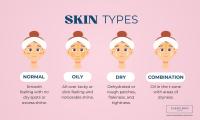
You can determine your skin type at home with a simple test that doesn't require special tools. Wash your face thoroughly and wait a while before noting any changes.
Step 1: Wash your face
Start by washing your face with a gentle cleanser and lukewarm water, then gently pat your skin dry with a clean towel without rubbing it.
After cleansing, do not apply creams, oils, serums, or makeup products.
Step 2: Wait 30 to 60 minutes
Let your skin rest without any products for about half an hour to an hour. During this period, notice how your skin feels and looks, especially in the forehead, nose, cheeks, and chin areas.
Step 3: Observe your skin
After waiting, notice the amount of oiliness or dryness in different parts of your face. If your skin appears obviously shiny all over, it may be oily. If you feel tightness, roughness, or see flaking, it may be dry. If the forehead, nose, and chin are oily while the cheeks look drier or normal, it might be combination skin. Balanced skin without dryness or excessive oiliness may indicate normal skin.
Identifying Oily Skin
Oily skin produces more sebum than other types, often appearing shiny, particularly in the forehead, nose, and chin.
Signs of oily skin include:
- Noticeable shine on the face.
- Oiliness shortly after washing the face.
- Large visible pores.
- Increased likelihood of blackheads or breakouts in some individuals.
- A frequent need to wash or clean the face due to oiliness.
However, breakouts alone don't necessarily indicate oily skin, so consider the overall nature of the skin.
Recognizing Dry Skin
Dry skin lacks sufficient natural oil and may feel tight or rough, especially after washing.
Common signs include:
- Tightness after cleansing.
- Rough skin texture.
- Occasional flaking.
- More pronounced surface lines when dry.
- Constant need for moisturizing.
Dry skin can worsen with cold weather, dry air, or overuse of certain cleansers.
Understanding Combination Skin

Combination skin features more than one characteristic within the same face.
Typically, the forehead, nose, and chin are oilier, while the cheeks are relatively dry or normal.
Signs of combination skin include:
- Shine in the T-zone.
- Dryness or greater balance in the cheeks.
- Clear differences in skin texture across various face areas.
- Larger pore visibility around the nose and forehead.
Combination skin requires a balanced routine, avoiding excessive drying of oily areas or neglecting hydration for dry regions.
Identifying Normal Skin
Normal skin is typically balanced in terms of oil production and hydration, not being overly dry or oily.
It is characterized by:
- Soft and balanced texture.
- Minimally visible pores.
- Moderate oil secretion.
- No extremely dry areas.
- Good tolerance for most suitable skincare products.
Normal skin can change temporarily due to weather, hormones, stress, or skincare routine changes.
Sensitive Skin Symptoms
Sensitive skin isn't always its own skin type; oily, dry, or combination skin can also be sensitive.
Sensitivity may present as:
- Quick redness.
- Itching or burning sensations.
- Irritation after using certain products.
- Dryness or peeling following certain ingredients.
- Sensitivity to fragrances or strong substances.
If your skin frequently reacts to products, opt for gentle ones and discontinue any irritants.
Paper Test: Determine Your Skin Type
Another simple method involves using blotting paper or oil-absorbing tissues. After cleansing and waiting, gently press it on different face areas.
If much oil appears from most facial areas, your skin may be oily. If mainly from the forehead, nose, and chin, it may be combination skin. Little visible oil accompanied by dryness or tightness may indicate dry skin. Consider this test as an approximate indicator, not a precise medical diagnosis.
Does Skin Type Change Over Time?
Yes, skin type can change over time due to various factors.
Key influencing factors include:
- Age.
- Hormonal changes.
- Climate and humidity.
- Sun exposure.
- Certain medications.
- Stress and lack of sleep.
- Dietary changes.
- Use of strong or unsuitable products.
Hence, having oily skin at one point doesn't mean it will remain so permanently.
Selecting Skincare Products According to Your Skin Type
Once you know your skin type, choosing the right products becomes easier.
For Oily Skin: Use a gentle cleanser and light moisturizing formulas to prevent feeling greasy, along with suitable sunscreen.
For Dry Skin: Regular hydration is crucial. Choose products with moisturizing ingredients to support the skin barrier.
For Combination Skin: Balance routine by hydrating dry areas without overly using oil-reducing products.
For Normal Skin: Maintain a basic routine of cleansing, moisturizing, and sun protection, selecting products based on skin needs.
For Sensitive Skin: Opt for gentle products and minimize product usage, avoiding known irritants.
Common Mistakes in Skin Type Identification
A common mistake is assuming facial shine always means oily skin. It can be due to heat, sweating, or certain products. Tightness after washing isn't always dry skin; it might result from a strong cleanser stripping natural oils.
Monitor your skin for several days under different conditions rather than relying on a single observation.
When to Consult a Dermatologist?
If your skin experiences persistent redness, severe itching, frequent peeling, noticeable acne, or unrelenting irritation, consulting a dermatologist is advisable. The goal isn't only identifying the skin type but addressing skin issues that might require specialized treatment.
Conclusion
You can easily identify your skin type at home by cleansing your face and observing it without products for a short time, noting the oiliness and dryness in various areas.
Oily skin tends to shine more, while dry skin feels tight and rough. Combination skin combines oiliness in the T-zone and dryness or balance in the cheeks. Normal skin appears more balanced, with any type possibly reacting to specific products due to sensitivity.
Once your skin type is identified, selecting an appropriate skincare routine becomes easier, maintaining hydration, balance, and protection from external factors.
Check out our related articles:
Symptoms of Calcium Deficiency in the Body