


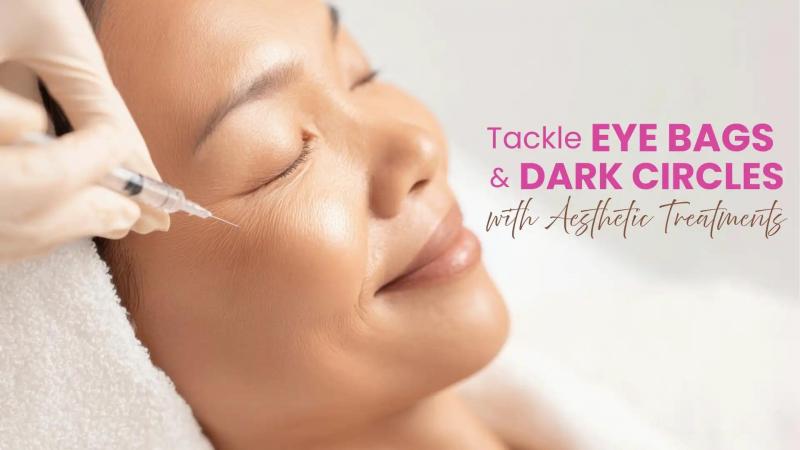
Dark circles under the eyes are among the most common aesthetic concerns, often arising from various factors such as genetics, skin pigmentation, thin skin below the eyes, or an under-eye hollow creating a shadowy appearance. Treatment relies on identifying the root cause before selecting the appropriate procedure.
In Beirut, numerous dermatology and cosmetic clinics offer modern techniques to address under-eye issues. Available options include medical creams, lasers, chemical peels, injections, and other cosmetic procedures, with treatment plans tailored by physicians after a thorough assessment.
Top Dermatology Clinics and Doctors for Treating Dark Circles in Beirut

The Skin Clinic
The Skin Clinic, operated by Dr. Dany Touma, is highly regarded for skin treatments, particularly around the eyes. The clinic emphasizes specialized skin care and rejuvenation solutions, evaluating if dark circles are due to pigmentation, skin thinness, or other factors. Evaluating the nature of the circles during consultation is crucial due to the sensitivity of the under-eye area.
Skin Expert Clinic
The Skin Expert Clinic offers multiple options for addressing dark circles and pigmentation, potentially incorporating lasers, peels, and injections based on individual needs. Medical assessment is essential, as pigmentation-related circles differ in treatment from those due to hollowing or vascular issues.
Silkor Lebanon
Silkor Lebanon offers diverse skin and pigmentation services, targeting skin tone unification and pigmentation reduction. These treatments can suit cases where skin discoloration is a primary cause of dark circles, yet the best course of action remains dependent on a physician's evaluation.
What Causes Dark Circles?
Understanding that dark circles can result from various causes is crucial before seeking a dermatology expert.
Genetic Factors
Dark circles can be prominent from a young age due to genetics and may appear prominently in certain family members. Cosmetic treatments may improve their appearance, but results vary among individuals.
Skin Pigmentation
Increased melanin production around the eyes can darken the under-eye area, often linked to sun exposure, friction, or other skin conditions, necessitating cause-specific treatment.
Thin Skin and Blood Vessels
The under-eye area, characterized by thin skin, can reveal underlying blood vessels, imparting a bluish or purplish hue.
Under-Eye Hollows
Sometimes, the issue isn't pigmentation but rather an under-eye hollow casting a shadow, making circles appear more pronounced. Treating pigmentation alone may not suffice, as the core issue relates to regional shadows rather than skin color.
Lack of Sleep and Fatigue
Fatigue and insufficient sleep can magnify dark circles, especially in individuals with genetic predispositions or thin under-eye skin.
Treatment Methods for Dark Circles in Clinics
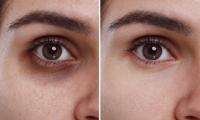
Creams and Topical Treatments
Dermatologists may recommend specific under-eye products with ingredients improving pigmentation appearance or supporting skin health, possibly containing Vitamin C, niacinamide, or caffeine, based on the condition and formulation.
Using strong creams or products intended for other areas around the eyes without consulting a specialist is discouraged due to the area's sensitivity.
Laser Treatment
Laser treatments can address pigmentation or enhance skin texture and appearance, depending on the issue. The choice of device and technique varies per case, making laser unsuitable as a one-size-fits-all solution.
Chemical Peels
Some pigmentation cases may benefit from medical chemical peels, promoting skin tone improvement and cell renewal. Given the sensitivity of the under-eye area, an expert must select the appropriate material and concentration, avoiding strong at-home peels near the eyes.
Filler Injections
For dark circles primarily due to under-eye hollowing, fillers might be considered to minimize shadowing effects, although fillers aren't universally appropriate for dark circle sufferers.
Injecting around the eye requires experienced practitioners due to the area's sensitivity.
Skin Rejuvenation Procedures
Some clinics offer treatments aiming to enhance skin hydration, elasticity, and appearance, with suitability determined by the physician based on age, skin type, and reason for dark circles.
Choosing the Best Dermatologist for Dark Circle Treatment
Choosing a dermatologist goes beyond the clinic's name and involves several key considerations.
Select a specialist experienced in under-eye issues due to the area's distinct skin texture and properties. Visits should start with consultation and assessment rather than preconceived treatment selection, as one case might need pigmentation treatment, while another requires hollow or skin quality improvement.
Consult the physician about treatment nature, expected outcomes, session count, recovery period, and potential side effects before proceeding.
Is Filler Better than Laser for Dark Circles?
No universal answer fits all cases.
If the primary issue is pigmentation, topical treatments, certain laser types, or peels may align better with the cause. Conversely, if darkness largely stems from under-eye hollowing or shadowing, fillers or other options might be discussed for suitable cases.
Some dark circles may arise from multiple factors simultaneously, necessitating a combined treatment strategy.
Tips to Reduce Dark Circles
Alongside medical treatment, some habits can help improve under-eye appearance:
- Ensure sufficient and regular sleep.
- Use an appropriate sunscreen around the eyes as per physician's guidance.
- Avoid rubbing the eyes forcefully.
- Maintain skin hydration.
- Consume a balanced diet.
- Address allergies or skin issues causing itchiness and eye rubbing.
- Opt for products suitable for sensitive skin around the eyes.
When to Consult a Dermatologist for Dark Circles?
Consult a dermatologist if dark circles persist or worsen despite improved sleep and skin care, or if accompanied by other skin changes.
Professional consultation is essential before using lasers, peels, or injections, particularly in the sensitive under-eye area.
Conclusion
Treating dark circles in Beirut varies based on the underlying cause. Pigmentation-related spots might require different treatments from those associated with under-eye hollowing or visible blood vessels through thin skin.
Crucially, avoid choosing fillers, lasers, or peels simply because they're common; rather, identify the cause first, then devise a treatment plan suiting the skin type and under-eye area.
See also
Symptoms of Calcium Deficiency in the Body