


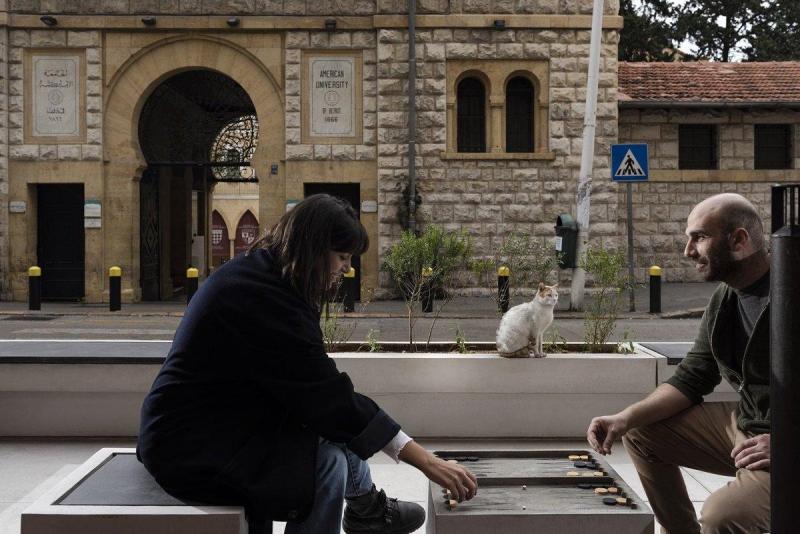
Bliss Street, nestled in the heart of Ras Beirut, stands out as one of the city's most well-known streets. Adjacent to the American University of Beirut (AUB), it embodies youthful and cultural vibes, attracting students, locals, and tourists alike. Catering closely to the academic life around it, the street is lined with restaurants, cafes, libraries, and other services that thrive in its dynamic environment.
Beyond its contemporary buzz, Bliss Street holds a rich history. It dates back to the late 19th century, intricately linked with the evolution of AUB and the development of Ras Beirut. Having seen numerous transformations—from trams to cars and modern commerce—it continues to be a cherished memory lane for generations of students and residents.
Where is Bliss Street Located?
Situated in Ras Beirut and just a stone's throw from Hamra, Bliss Street directly faces the main entrance of AUB. The university itself outlines that the street honors its founder, Daniel Bliss.
Why Is It Called Bliss Street?
The street’s name pays homage to Dr. Daniel Bliss, the founder and first president of the Syrian Protestant College, which later became AUB. Established in 1866, Bliss's vision of higher education has left an enduring legacy marked by the expansion of the university campus over time.
Bliss Street and the American University of Beirut
Bliss Street is inseparable from its relationship with AUB. Facing the university’s main gate, the street is gradually entwined with the daily life of students, faculty, and visitors. AUB's influence nurtured Ras Beirut from a sparsely built area into a bustling academic neighborhood.
The Tramway: A Significant Chapter in Bliss Street History
Noteworthy is Bliss Street's association with the tramway era that served AUB students. Historical records show the tram running through the street in the 1920s, bolstering the city’s growth and the proliferation of modern transportation.
Cafes and Restaurants on Bliss Street
Synonymous with eateries and cafes, Bliss Street serves as a rendezvous for quick meals or coffee hangouts. Highlights include the famed Faysal's Restaurant, a cherished student spot. The area is renowned for food options from fast snacks to cozy cafes suited for study sessions.
What to Eat on Bliss Street?
Bliss Street offers a culinary spectrum catering to various budgets, with outlets mainly opposite AUB. Popular options include fast food, Lebanese staples like falafel, and beloved local treats such as fresh juices and manakish.
Libraries and Stationeries: The Academic Essence of Bliss Street
Characterized by its university-centric nature, Bliss Street historically hosts numerous libraries and bookstores, essential for student needs. This academic vibrancy makes it an interesting urban feature to explore.
The Youthful Energy of Bliss Street
The street pulses with youthful energy, largely driven by the university atmosphere. Its vicinity to Hamra enhances its access to an area known for its vibrant culture.
Things to Do on Bliss Street
A stroll on Bliss Street doesn’t require meticulous planning. You can begin near AUB's main gate, enjoy a coffee, and discover the surrounding streets before heading to Hamra for a complete experience.
Nearby Attractions to Bliss Street
A Bliss Street visit can be complemented with walks toward Hamra for shopping or the Corniche for sea views, among other nearby highlights.
Best Time to Visit Bliss Street
While it's open year-round, each time of day offers a distinct experience. Afternoons provide the perfect blend for photography and leisurely walks.
Why Is Bliss Street Worth Visiting?
The street encapsulates Beirut's historical fusion with modern student life, offering a cultural and culinary journey that goes beyond its commercial appeal, preserving a critical piece of Ras Beirut's history.
Conclusion
Bliss Street in Beirut is a microcosm of Ras Beirut's rich past and dynamic present. Its blend of history, academia, and lifestyle offers a unique perspective on the city, making it a must-visit for any Beirut exploration.
See Also
Foch Street in Beirut: A Guide to One of the Capital’s Most Famous Streets