


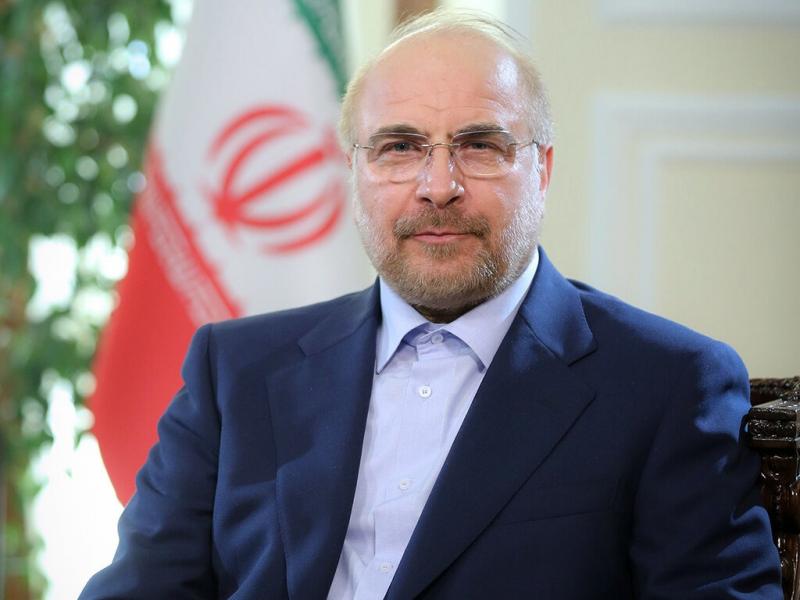
Iranian Parliament Speaker Mohammad Bagher Qalibaf asserted that the tools used by the United States to try and control oil prices can no longer prevent their rise, hinting that the market is headed for a 'next phase' amidst escalating regional tensions.
Qalibaf wrote in a post on the 'X' platform that the U.S. Treasury would resort to its 'ineffective arsenal' in an attempt to control oil prices.
He indicated that these tools involve market interventions and releasing oil reserves, accusing Washington of using 'disinformation' through media outlets, including 'Axios,' to influence the market.
Qalibaf added that these measures would not succeed in reducing oil prices.
“Look at the chart”
The Iranian parliament speaker urged a close observation of oil price movements, arguing that examining the price chart reveals, in his view, the market path.
He added that the 'next phase' had become clear, without providing further details on the anticipated price level or timing.
Qalibaf's remarks come amid growing concerns about energy supply security, coinciding with escalating confrontations between the U.S. and Iran, targeting of oil tankers, and mutual threats regarding commercial and military ships in crucial waterways.
Tanker War Pressures Markets
U.S. Defense Secretary Pete Hegseth had issued a warning to Iran, threatening to target Iranian oil tankers and sink them if Tehran fires on American ships.
These threats are occurring amidst escalating tensions over navigation and energy supply in the Gulf and around the Strait of Hormuz, increasing fears of a broader conflict affecting global oil flows.
Washington is betting on military and economic pressures to limit Tehran's ability to continue the confrontation, while Iran seeks to show that continued escalation will have costs extending beyond its borders and into the global energy and economic market.
Qalibaf's statements place oil prices at the heart of the political and economic standoff between the two parties, with an increasing link between market movements and the course of military operations and the safety of tankers and navigation in the region.