


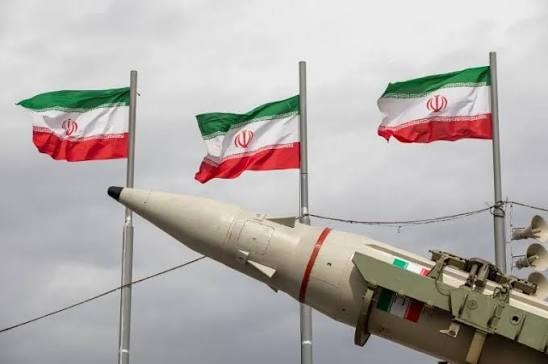
The Wall Street Journal reports that Iran has resumed production of ballistic missiles in underground facilities, utilizing pre-war stockpiles of warheads, missile structures, guidance systems, and other components.
Quoting informed U.S. and Middle Eastern officials, the journal notes that Tehran has restarted part of its production capabilities despite significant damage to its missile industry caused by U.S. and Israeli strikes.
Intelligence reports have detected activity at several facilities, including the Khojir military complex southeast of Tehran, where both liquid and solid-fuel missiles are assembled.
The paper adds that Iran is also developing new underground sites to assemble missiles, aiming to minimize the risk of future strike interruptions.
Pre-War Stockpiles
Despite the activity resumption, the report indicates that Iran's production scale is still substantially lower than pre-war levels due to damage to key factories and the U.S. naval blockade's restrictions on importing necessary materials and components.
An American official suggested that Iran might have initiated limited production after reaching a preliminary agreement with President Donald Trump in mid-June regarding the reopening of the Strait of Hormuz and starting negotiations to end the war.
The pre-war stockpiles Iran prepared played an essential role in resuming assembly operations, as Tehran had warheads, missile structures, guidance systems, and other components ready, allowing it to proceed without restarting the entire manufacturing network.
“Hundreds or Maybe Thousands of Missiles”
Jim Lamson, a former CIA analyst specializing in Iranian military affairs, stated that Iran's production capacity depends on the available components in stock and the number of underground facilities capable of maintaining operations.
Lamson estimated that these capabilities might allow Iran to assemble hundreds, possibly thousands of missiles, depending on the remaining inventory and the infrastructure that survived the strikes.
Despite much of the ready stockpile being depleted during the war, analysts believe, according to the journal, that Iran still possesses thousands of ballistic missiles.
Underground Activity
Satellite images reviewed by the Wall Street Journal show Iran accelerating repairs to roads, production sites, and underground missile base entrances damaged during previous strikes.
Israeli military estimates conveyed by the journal suggest that substantial amounts of weapons stored in deep tunnels likely survived the attacks.
However, Tehran still faces significant obstacles in regaining its previous production capacity, notably damages to facilities related to liquid fuel production and industrial mixers used for manufacturing solid rocket fuel.
Reviving the Program After Its “Destruction”?
If confirmed on the scale reported, production resumption raises questions about the long-term damage the war inflicted on Iran's missile program.
In April, U.S. Defense Secretary Pete Hegseth declared that Iran's missile program had been “effectively destroyed” and that Tehran could no longer replace the missiles it uses.
Yet, the intelligence activity and satellite images indicate, according to the Wall Street Journal, that Iran is attempting to rebuild part of its production capability by relying on fortified facilities and pre-stored components.
The resumed production could provide Tehran with a more extensive capacity to sustain a prolonged war of attrition as Iran's missile stockpiles, alongside U.S. and Gulf interception missiles, continue to face persistent pressure due to ongoing confrontation.