


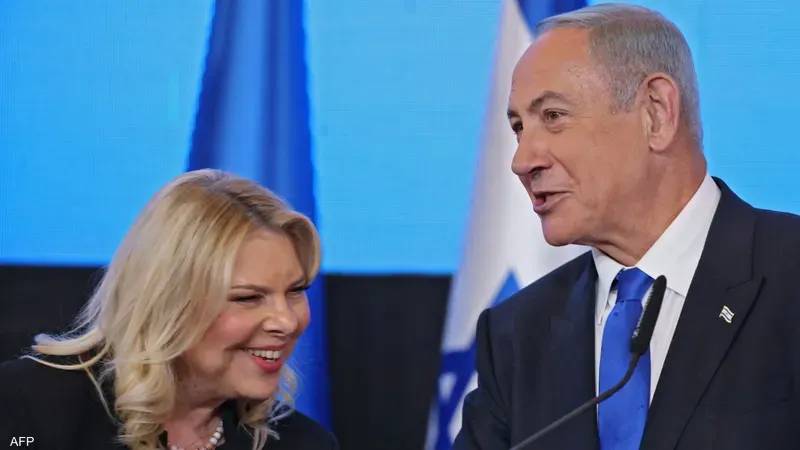
Official Israeli data has revealed that approximately 1.43 million shekels ($375,000 USD) have been spent on hair and makeup services, as well as expenses related to the representation of prime ministers, from early 2019 to August 2026. The bulk of these expenses is attributed to Prime Minister Benjamin Netanyahu and his wife, Sara, igniting debate over their share of the expenditures.
According to the newspaper "Yedioth Ahronoth," Netanyahu and his wife accounted for around 90 percent of the total spending allocated for hair and makeup services during the covered period.
The figures were disclosed after the Prime Minister's Office provided the information in response to a legal petition filed by the "Movement for Freedom of Information."
Annual spending comparisons reveal significant variations across the years. In 2022, when Naftali Bennett and Yair Lapid held the position of prime minister, the total expenses amounted to approximately 84,000 shekels.
In 2023, the amount surged to about 312,000 shekels, with 2025 marking the highest expenditure at 337,000 shekels recorded in the data.
Documents from the last three months of 2023 show spending that included 7,897 shekels on hairstyling services for the prime minister and 4,800 shekels on makeup, with some invoices covering more than one month.
Washington: The Costliest Trip
The expenses weren't limited to services rendered within Israel but extended to the prime minister's travels abroad.
Netanyahu's trip to Washington in February 2025 recorded the highest cost in this category, totaling around $13,500 for hair and makeup expertise.
An earlier visit to the U.S. capital in July 2024 incurred about $11,500 for similar services.
The data further revealed close to 473,000 shekels in "representation expenses" for prime ministers.
Netanyahu received about 408,000 shekels from these expenses, with Bennett and Lapid receiving 57,000 and 8,000 shekels, respectively.
These allocations cover expenses related to clothing, hospitality, and state representation.
Withheld Information
The "Movement for Freedom of Information" also requested disclosure of costs related to jewelry, clothing, and image consultation, but this data was not provided.
Authorities withheld some document details, including the names of hairstylists and makeup artists, citing security concerns.
Heidi Negev, executive director of the "Movement for Freedom of Information," criticized the need to resort to legal action to obtain the data, emphasizing the matter's significance regarding public funds oversight and legal transparency commitments.
The disclosure of these expenses revives the debate in Israel over personal expenses linked to the prime minister's office, moving this time from political stalemate to figures obtained by freedom of information activists through the courts.