


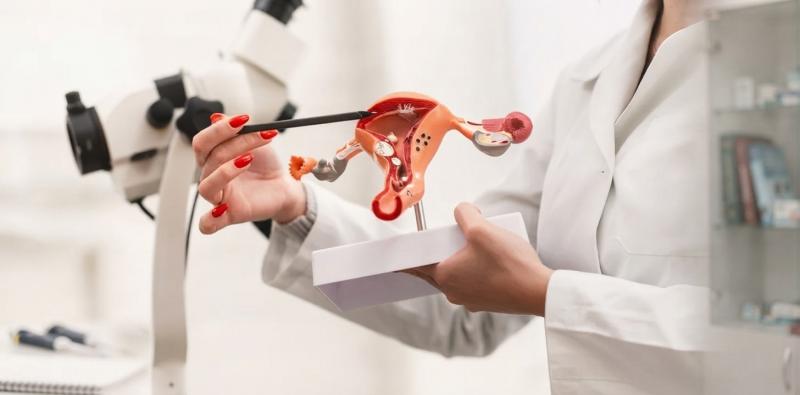
Vaginal yeast infections, also known as vaginal candidiasis, are common among women. They often occur due to the overgrowth of Candida fungus, which naturally resides in the body. The reassuring fact is that these infections are not typically known to cause infertility or birth defects, nor do they reach the fetus inside the womb under normal circumstances.
However, this does not mean they can be entirely ignored, especially during pregnancy. Hormonal changes during this phase may increase the likelihood of infections or make symptoms more noticeable, causing itchiness, irritation, abnormal discharge, and discomfort during urination or sexual intercourse.
Why Do Vaginal Yeast Infections Increase During Pregnancy?
During pregnancy, significant changes in hormone levels and the natural environment of the vagina occur, which can promote the growth of Candida. Additionally, changes in vaginal discharge and the surrounding environment can affect the natural balance of microorganisms in the genital area.
Some women are more likely to develop infections due to factors like high blood sugar, the use of antibiotics for certain periods, or a prior history of recurring infections. Therefore, pregnant women may experience symptoms they did not have before pregnancy.
Symptoms of Vaginal Yeast Infections to Watch For
Yeast infection symptoms are usually clear, but their similarity to other types of vaginal infections makes medical diagnosis important, especially during pregnancy.
{{PLACEHOLDER_0}}
Main Symptoms
-Itching and irritation around the vaginal area.
-Redness or swelling of the outer part.
-Thick, white discharge that may resemble cottage cheese.
-Burning sensation during urination.
-Pain or discomfort during intercourse.
-Persistent irritation in the genital area.
On the other hand, the presence of vaginal discharge does not necessarily indicate a yeast infection. Natural discharges can also change during pregnancy, and strong-smelling or unusually colored discharge may indicate another type of infection requiring different evaluation.
Do Vaginal Yeast Infections Cause Infertility?
One of the most common concerns for women planning to get pregnant is the belief that vaginal yeast infections might lead to infertility. However, yeast infections themselves are not known causes of infertility.
Instead, the symptoms may temporarily affect a couple’s sexual life. The itching, burning, and pain during intercourse can make it uncomfortable, potentially reducing the frequency of intercourse during fertile periods, indirectly lowering the chances of conception in a particular cycle.
Recurring vaginal infections need a deeper inquiry into their cause rather than merely treating the symptoms each time. Factors like blood sugar imbalances, certain medications, or other underlying issues may require evaluation.
Can Pregnancy Occur with a Yeast Infection?
Pregnancy can occur even with a vaginal yeast infection, as it usually does not prevent ovulation or egg fertilization directly.
However, symptoms can make sexual intercourse painful or uncomfortable, influencing timing during ovulation. Thus, if the infection is active and bothersome during pregnancy planning, consulting a doctor to confirm the diagnosis and select appropriate treatment is advisable.
Moreover, do not confuse vaginal yeast infections with other types of infections that might have different effects on fertility. Some STIs, for instance, can affect the reproductive system and fertility if untreated.
Do Yeast Infections Affect the Fetus During Pregnancy?
In most cases, vaginal yeast infections do not directly affect the fetus inside the womb and are not usually associated with miscarriage or birth defects. The fetus resides in the womb, surrounded by membranes and amniotic fluid, and typical yeast infections do not reach it as some women might fear.
There should be no fear of pregnancy issues solely based on a yeast infection diagnosis. However, during childbirth, active infections could transfer to the baby during passage through the birth canal, possibly leading to oral thrush in the newborn, which is treatable post-birth.
Treatment of Yeast Infections During Pregnancy
Treatment during pregnancy differs from that used outside pregnancy, so self-prescribing over-the-counter antifungal medications at the first sign of itching or discharge is not recommended.
What Treatment Is Usually Recommended During Pregnancy?
Doctors typically recommend topical antifungal medications or appropriate suppositories during pregnancy, with the treatment duration and medication determined by medical assessment.
Conversely, oral antifungals like Fluconazole should be avoided during pregnancy without medical advice due to some potential risk concerns, particularly at specific dosages or stages of pregnancy.
Thus, treatment suitable for non-pregnant women may not be appropriate for those who are pregnant, and consulting a gynecologist is the safest way to determine the correct medication, dosage, and duration.
What Should a Woman Do If Planning a Pregnancy?
If a woman experiences yeast infection symptoms while planning pregnancy, treating the infection and ensuring the symptoms' resolution is best, particularly if symptoms are recurrent or severe.
Delaying pregnancy is not necessary for long periods after each infection. The decision depends on the severity, type of treatment, and whether there's another cause of the symptoms. Treating the infection can also make sexual intercourse more comfortable during fertility periods.
Steps to Reduce Infection Recurrence
-Wear breathable cotton underwear.
-Avoid tight-fitting clothes for long durations.
-Keep the genital area dry as much as possible.
-Avoid scented soaps, perfumes, and products on sensitive areas.
-Refrain from using vaginal douches.
-Change wet clothes after swimming or exercising.
-Avoid antibiotics without prescription.
-Consult a doctor for frequent infections.
-It's also essential not to use home remedies like vinegar or baking soda in the vagina, as these may exacerbate irritation and impact the area's natural balance.
{{PLACEHOLDER_1}}
When Should Yeast Infections Be Checked by a Doctor?
Yeast infections may seem simple, but some cases require medical evaluation to confirm diagnosis, especially when pregnant.
Visiting the doctor is advised when symptoms first appear, are severe, recurring, or do not improve after treatment. Also, evaluation is necessary when discharge has a strong odor, green or yellow color, or there is unusual bleeding or severe pain in the lower abdomen or pelvis.
Additionally, pregnant women should not assume symptoms are solely yeast infections, as other vaginal infections needing different treatment may be more significant in pregnancy.
Do Recurrent Yeast Infections Affect Fertility Chances?
Recurrent yeast infections do not necessarily indicate fertility issues, but they might signal that a factor contributing to recurring infections exists. Thus, a woman facing repeated bouts should explore the cause rather than random treatment repetition.
A doctor might investigate aspects such as blood sugar disturbances, frequent antibiotic usage, other medications, or factors affecting the vagina's natural balance. Examinations of discharges may also be required to confirm Candida as the cause and not another type of infection.
Difference Between Yeast and Other Vaginal Infections
Not all itching or vaginal discharge indicates a yeast infection. Different vaginal infections exist, each with unique symptoms and treatments. Yeast infections often come with distinct itching and thick white discharge, while some bacterial infections might display various discharges and more noticeable odors.
Sexually transmitted infections might present different symptoms like pain, bleeding, or unusual discharges. Therefore, accurate diagnosis is crucial, particularly for women who are pregnant or planning to become pregnant.
Should There Be Concern About Yeast Infections During Pregnancy?
In most cases, vaginal yeast infections are not a significant cause for concern regarding the baby's safety. They are common conditions manageable with suitable treatment and do not automatically imply pregnancy risks.
Correct management remains important for alleviating the mother’s symptoms and minimizing the likelihood of infection persisting until delivery. Choosing treatment is more crucial during pregnancy since some medications typically safe may not be advisable.
In summary, vaginal yeast infections do not generally cause infertility, harm the fetus inside the womb, or serve as typical reasons for miscarriage or congenital defects. Infections may cause discomfort in marital relations due to itching, burning, and pain, and could be passed to the newborn during natural delivery if active.
See Also:
Top 5 Nail Salons in Beirut for Nail Care
Natural Breast Enlargement: Can Breast Size Be Increased Without Surgery?