


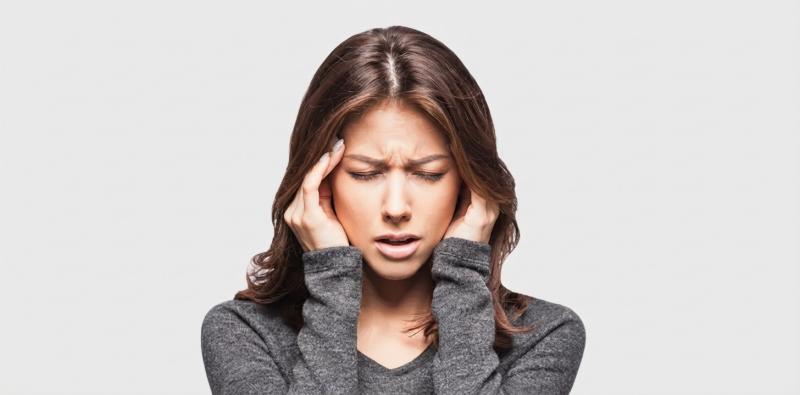
Migraine headaches are notably more prevalent in women than in men. According to the American Migraine Foundation, women are two to three times more likely to experience migraines. This difference becomes more pronounced post-puberty, suggesting a significant relationship between female hormones and the frequency of headache episodes.
Fluctuations in estrogen levels are among the prominent factors that can influence migraines in women, potentially altering the intensity or frequency of headaches during different life stages such as the menstrual cycle, pregnancy, postpartum, and perimenopause.
Key Causes of Frequent Headaches in Women
1. Hormonal Changes
Hormonal fluctuations are a leading cause of frequent headaches in women, particularly in those suffering from migraines. It's not just about estrogen levels; rapid changes in these levels can trigger headaches in some women.
Menstrual-Related Migraine
This type of migraine typically occurs around the onset of menstruation, starting two days before the period and continuing into the early days. These episodes are often more severe and debilitating than migraines occurring at other times of the month, due primarily to the rapid decline in estrogen levels before menstruation without necessarily indicating a pathological hormonal imbalance.

Contraceptive Pills and Hormonal Changes
Hormonal contraceptives can influence headache patterns in some women. Changes in hormone levels during pill-free intervals or when taking non-hormonal pills may trigger headaches in migraine sufferers. Conversely, continuous hormonal regimens may reduce headaches in other women by minimizing hormonal fluctuations. Hence, contraception should not be altered for headache treatment without consulting a physician, especially in cases of migraine with aura.
Pregnancy and Postpartum
Headache response to pregnancy varies among women. Many experience an improvement in migraines due to elevated and stable estrogen levels during pregnancy. However, some may suffer from headaches for the first time or notice changes during pregnancy. After childbirth, rapid hormonal changes can again alter headache patterns. New or different headaches during pregnancy or postpartum should be taken seriously, particularly if accompanied by high blood pressure or neurological symptoms.
Perimenopause
Migraine episodes may become more frequent or severe during perimenopause due to irregular hormonal fluctuations, which may persist until hormone levels stabilize, potentially improving the headaches for some women.
2. Stress and Psychological Pressure
Stress is a common headache trigger, whether it's tension or migraine headaches. Ongoing psychological stress can increase muscle tension in the neck and shoulders and impact sleep and dietary habits, raising the likelihood of headaches. Managing stress is crucial in controlling episodes.
3. Sleep Deprivation and Irregular Sleep Schedules
Sleep affects not only daytime energy levels but also the frequency of headaches for some individuals. Sleep deprivation, oversleeping, or irregular sleep schedules can trigger migraines. Maintaining consistent sleep and wake times might be an important step in managing frequent headaches.
4. Dehydration and Skipping Meals
Insufficient fluid intake can increase headache likelihood, and skipping meals or extended fasting can trigger headache episodes. Regular meals and adequate hydration are recommended, especially for women who notice headaches linked to hunger or dehydration. The American Migraine Foundation also suggests avoiding meal skipping and maintaining hydration as strategies to manage headache triggers.
5. Overuse of Pain Relievers
Frequent headache recurrence may stem from overuse of headache medications, leading to what is known as medication-overuse headache or rebound headache. Regular painkiller consumption can become part of the problem, hence women frequently needing headache medications should consult a doctor rather than increasing dosages independently.
6. Eye Strain and Screen Use
Prolonged focus on computer or phone screens can lead to eye strain and tension in the surrounding muscles. Poor sitting posture can further contribute to neck and shoulder muscle tension. Continuous exposure to bright lights or extended screen time may also trigger migraines in some individuals. Taking scheduled breaks and reducing known triggers can help lessen episodes.
7. Anemia and Iron Deficiency
Frequent headaches may sometimes be linked to other health issues, such as anemia, particularly when accompanied by fatigue, weakness, dizziness, or pale skin. Evaluating iron and hemoglobin levels is vital for women experiencing heavy menstruation or symptoms suggestive of anemia, though iron deficiency shouldn't be presumed as the headache's cause without proper tests and physician evaluation.
8. Thyroid Disorders and Other Health Changes
Some health issues can coincide with headaches or change their pattern, necessitating thorough evaluation for persistent or unusual headaches rather than just relying on pain relievers.
9. Sinus Issues and Migraine-Like Conditions
Some women might attribute forehead or behind-the-eye pain to sinus issues. However, some migraine symptoms may resemble sinus problem indicators. Persistent or recurrent pain without clear sinusitis symptoms requires medical assessment rather than assuming the cause.

How to Reduce Frequent Headaches in Women
Handling headaches depends on their type and cause. Keeping a headache diary can be highly beneficial, recording headache timing, duration, intensity, preceding foods, sleep patterns, menstrual cycle, and medications. Regular sleep, sufficient fluid intake, meal consistency, stress reduction, and avoiding known triggers can also help.
If headaches recur significantly or affect daily life, consulting a doctor or headache specialist to identify the headache type and develop a suitable treatment plan is advised.
When is Frequent Headache a Cause for Concern?
Not all recurring headaches indicate a serious problem, as most are primary and unrelated to severe illnesses. However, sudden headache nature changes or new symptoms warrant attention.
Seek immediate medical care if the headache is:
- Sudden and severe, reaching peak intensity within seconds or a minute, especially if experienced for the first time.
- Accompanied by weakness or numbness on one side of the body.
- Accompanied by sudden changes in vision, speech, or alertness.
- Associated with a high fever or neck stiffness.
- Significantly increasing in frequency or severity or deviating from the usual headache pattern.
- Occurring for the first time during pregnancy or changing noticeably during pregnancy or after delivery.
- Linked with vision loss, difficulty walking, or new neurological symptoms.
Are Hormones Always to Blame for Frequent Headaches in Women?
Not necessarily. While hormones are a major factor for many women, especially with menstrual cycle-related migraines, other causes include stress, sleep disturbances, dehydration, meal skipping, pain reliever overuse, and more. Understanding headache timing, symptoms, and precedents helps better identify triggers. Conversely, attributing all headaches to hormones isn't advisable, especially if they are new, severe, or accompanied by unusual symptoms.
In Conclusion, the causes of frequent headaches in women range from hormonal fluctuations and lifestyle factors to certain health issues. Estrogen fluctuations are key especially around menstruation, while pregnancy, postpartum, and perimenopause also influence headache patterns. Concurrently, stress, lack of sleep, dehydration, skipped meals, and excessive painkiller use can elevate or repeat headaches. Identifying triggers and recording episodes, alongside seeking medical evaluation for recurring headaches, may help uncover causes and create an appropriate management plan.
Also see:
Do Vaginal Yeast Infections Affect Pregnancy?
Top 5 Nail Salons in Beirut for Nail Care
Natural Breast Enlargement: Can Breast Size Increase Without Surgery?