


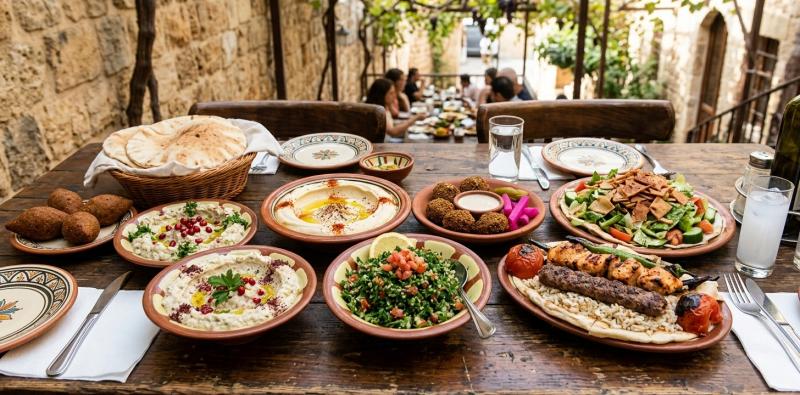
The Lebanese cuisine is renowned for its diversity in the Middle East region. It is celebrated for using fresh ingredients that marry olive oil, garlic, lemon, herbs, and local spices. These elements feature prominently in numerous recipes passed down through generations, becoming a staple on the everyday Lebanese table and in family gatherings.
The array of famous Lebanese dishes spans from mezze and cold and hot appetizers to main courses, grills, pastries, and desserts. Some recipes vary from one Lebanese area to another, adding further richness to the local cuisine and making Lebanese food an exploration that extends beyond a single dish.
What Makes Lebanese Cuisine Unique?
Lebanese cuisine heavily relies on fresh vegetables, grains, meats, dairy, and olive oil, with a notable presence of citrus fruits, herbs, and spices. Mezze plays a pivotal role in Lebanese food culture, offering a wide range of shared small dishes enjoyed by family and guests.
Moreover, Lebanese cooking beautifully blends vegetarian options, meat dishes, grills, and indulgent desserts, catering to diverse palates. Additionally, many of these dishes have gained recognition in Arab and global restaurants as part of the traditional Eastern cuisine.
Popular Lebanese Mezze and Appetizers
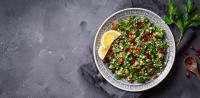
Tabbouleh
Leading the way among Lebanese salads is Tabbouleh, an iconic dish primarily made of finely chopped parsley, tomatoes, mint, and bulgur, dressed with olive oil and lemon juice. Tabbouleh is known for its refreshing and light taste, frequently appearing on lunch and dinner tables and during special occasions.
Fattoush
Fattoush is a traditional Lebanese salad combining fresh vegetables with toasted or fried bread pieces, brought to life by the distinctive flavor of sumac. The vegetables, herbs, lemon, and olive oil create a balanced taste profile between tangy and refreshing.
Fattoush can be savored alongside grills or other mezze dishes and exemplifies the Lebanese penchant for seasonal and fresh ingredients.
Hummus with Tahini
A beloved appetizer across Lebanon and the Arab world, hummus with tahini is made from boiled chickpeas, tahini, lemon juice, and garlic, finished with olive oil. It can be enjoyed plain or garnished with chickpeas and olive oil, or even served with meat and pine nuts.
The popularity of hummus stems from its versatility, whether eaten with bread or as an accompaniment to a variety of Lebanese dishes, making it a mezze essential.
Mutabbal
Mutabbal is typically prepared with grilled eggplant, tahini, garlic, and lemon juice, offering a smoky flavor from the roasted eggplant. It is served cold as part of the mezze platter alongside bread and other appetizers.
Stuffed Grape Leaves
A cherished traditional dish, stuffed grape leaves are filled with rice, vegetables, herbs, and spices, occasionally with meat. The vegan version, known as Yalanji, features the fragrant combination of olive oil and lemon.
Kibbeh Nayyeh
Holding a special place in Lebanese cuisine, Kibbeh Nayyeh is made from finely minced raw meat with bulgur, spices, and onions, typically served with olive oil and side garnishes.
This dish relies on very fresh ingredients and safe preparation methods due to its raw meat content, and it must be consumed immediately after preparation.
Renowned Lebanese Main Dishes
Kibbeh Bil Saniyeh
Kibbeh Bil Saniyeh is a traditional home-cooked dish mixing bulgur and minced meat with spices, often filled with meat, onions, and pine nuts before being baked and cut into portions.
Other Lebanese kibbeh varieties include grilled and fried kibbeh, with preparation styles and appearances differing by region and family recipes.
Mixed Grills
No list of famous Lebanese dishes is complete without mixed grills featuring shish tawook, kofta, and lamb chunks, all marinated in various blends and grilled over charcoal or high heat for that unique flavor.
Grills are usually served with garlic, bread, salads, and appetizers, making them a staple in Lebanese restaurants and family gatherings.
Sayadieh
Particularly popular in coastal areas, Sayadieh is a dish of fish, rice, caramelized onions, and spices, characterized by its distinct color and taste imparted by the fish stock-infused rice and onion. It can be garnished with toasted nuts.
This dish highlights the coastal influence on Lebanese cuisine, where fish and seafood hold significance in certain regions.
Stuffed Vegetables
The Lebanese home-cooked dish list includes a vast array of stuffed vegetables like zucchini, eggplant, and bell peppers filled with rice and meat, each cooked differently based on the recipe and region.
Traditional Lebanese stews like okra and molokhia also hold strong positions on home tables, alongside other dishes featuring rich flavors of vegetables, meats, and sauces.
Popular Lebanese Pastries and Snacks
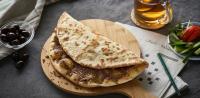
Manakish
The Manakish rank as a top breakfast and quick snack choice in Lebanon, consisting of dough baked with an array of toppings. Traditional varieties include zaatar, cheese, and lahm b'ajin (minced meat).
Toppings vary by preference, yet zaatar and cheese remain emblematic of the traditional Lebanese breakfast, often served hot with vegetables and tea or cold drinks.
Sambousek and Rakakat
Sambousek and Rakakat are among the appetizers and pastries prepared for homes and events, with fillings like minced meat, cheese, or vegetables, and either fried or baked.
These pastries, small and easy to serve, frequently appear on celebratory tables alongside mezze dishes.
Famous Traditional Lebanese Desserts
Kunafa with Cheese
One of the most celebrated Lebanese and Eastern desserts, Kunafa with cheese combines layers of kunafa, cheese, sometimes cream, syrup, and nuts. It's a staple in many Lebanese confectionery shops for those craving hot, rich desserts.
Halawat El Jibn
Halawat El Jibn is known for its soft texture and rich taste, combining cheese with a soft dough often filled with cream and garnished with pistachios, uniquely served with syrup and rose water, giving it a distinctly Lebanese character now recognized in many Arab countries.
Layali Lubnan (Lebanese Nights)
A cool dessert made from semolina and milk, topped with a layer of cream and garnished with nuts, Layali Lubnan is served with syrup or honey, offering a lighter choice compared to other Eastern desserts, making it a popular option, especially during summer.
Lebanese Cuisine: A Dining Experience Beyond the Dish
The reputation of Lebanese cuisine extends beyond its dish ingredients to its presentation style and the culture of communal eating. The Lebanese mezze invites sharing multiple dishes in one meal, while grills and home-style dishes bring together different flavors in a comprehensive culinary experience.
Geographical diversity endows Lebanon with distinct variations in some recipes and ingredients. Coastal regions are more renowned for fish and seafood dishes, whereas mountainous and rural areas highlight grain, meat, and vegetable-based dishes.
In conclusion, Lebanese cuisine offers a rich blend of flavors and ingredients that have propelled its dishes beyond Lebanon, maintaining a presence in Arab and global restaurants. From tabbouleh, fattoush, and hummus to kibbeh, grills, sayadieh, and manakish, the repertoire expands to embrace a wide array of recipes that blend simplicity and diversity.
Furthermore, Lebanese desserts like Kunafa with cheese, Halawat El Jibn, and Layali Lubnan add another dimension to this gastronomic experience, reflecting a long history of family traditions, local ingredients, and preparation methods that have endured to this day.