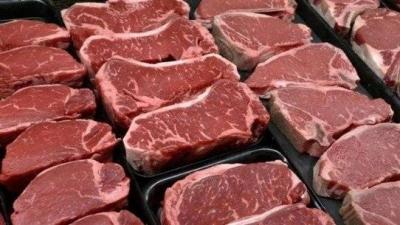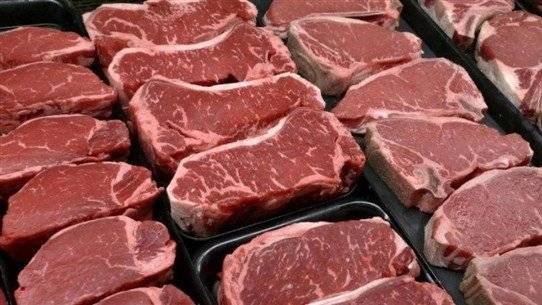
Meat has been a staple food on the Lebanese table before the crisis. However, the vast majority have refrained from consuming it after the crisis, as its price has approached the minimum wage. "No grilling every Sunday," is the situation for most citizens, and saving on meat consumption has become a common practice among the majority. It is no surprise that Lebanon leads the Arab countries in the international "Nimbo" meat price index, with the average price of a kilo of meat reaching $37.71, according to the report.
Majid Eid, the Secretary General of the Butchers' and Livestock Traders' Syndicate, denies what was reported regarding the price of meat, clarifying that the average price per kilo is only $10. He points out that the price before the crisis was also $10, or 15,000 Lebanese pounds, and this same price in dollars is being maintained during the current crisis, equating to 280,000 to 300,000 Lebanese pounds, while the global price of meat has risen by 30 to 40 percent.
In light of discussions about selling Indian meat by some butcher shops to customers, Eid, in an interview with mtv, confirms that this meat is expensive and is available in large quantities in the market, being sold as fresh meat, which is a dangerous issue, as Lebanese people do not know they are eating Indian meat. Regarding the problems faced by the sector, Eid points out that there is significant fraud that cannot be overlooked, and actions must be taken against offenders as this dangerous issue affects citizens' health. The second problem, according to Eid, is the lack of purchasing power among citizens, which reduces the percentage of meat sales, while the Ukrainian crisis has had a significant impact on feed prices, causing substantial losses for livestock traders.