



Sudden chest pain is a worrying symptom for many young individuals, especially when it appears unexpectedly or is accompanied by difficulty breathing or a rapid heartbeat. Although chest pain is often associated with serious heart conditions, there are many other common causes that can lead to this symptom, some of which are simple and temporary while others require urgent medical intervention.
In recent years, instances of chest pain among young adults have become more prevalent due to psychological stress, unhealthy lifestyles, lack of sleep, smoking, and excessive consumption of energy drinks. Some cases might be related to muscular, respiratory, or digestive issues, rather than the heart itself.
Common Causes of Sudden Chest Pain

Psychological Stress and Anxiety
Psychological stress and anxiety are among the most common causes of chest pain in young adults. Mental states have a direct effect on muscles, breathing, and heart rate.
Stress may cause:
- Contraction of chest muscles
- Increased heart rate
- Shortness of breath
- Pressure or tingling sensation in the chest
Panic attacks can also lead to sudden pain that resembles heart attack symptoms, increasing fear and worsening symptoms. Pain often intensifies during academic or work pressures, psychological or emotional issues, sleep deprivation, or excessive worry.
Muscle Strain in the Chest
Muscle strain or inflammation due to intense physical exercise, lifting heavy weights, sudden movements, or prolonged incorrect posture can also cause chest pain.
The pain is often:
- Localized to a specific area
- Exacerbated by movement or pressure on the muscle
- Improved with rest and mild pain relief
Many young adults confuse this type of pain with heart problems due to its location in the chest area.
Acidity and Acid Reflux
Digestive issues, particularly acidity and the reflux of stomach acids into the esophagus, can cause noticeable chest pain.
Symptoms include:
- Burning sensation behind the sternum
- Pain after eating
- Sour taste in the mouth
- Increased pain when lying down
This type of pain increases with fatty and spicy foods, smoking, coffee, carbonated drinks, and eating before bedtime. Sometimes, it's mistaken for a heart problem when it's merely gastric reflux.
Smoking and Energy Drinks
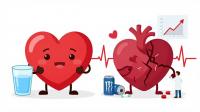
Electronic smoking, cigarettes, and energy drinks have become major factors associated with chest pain in young adults.
Smoking may cause:
- Irritation of the lungs
- Narrowing of blood vessels
- Increased heart rate
- High blood pressure
Energy drinks and stimulants, high in caffeine and stimulant substances, can lead to heart palpitations, anxiety, tension, and sudden chest pain.
The risk increases with:
- Smoking
- Lack of sleep
- High caffeine intake
- Psychological stress
Respiratory System Issues
Some respiratory diseases can cause chest pain, such as bronchitis, pneumonia, asthma, and chest allergies.
The pain is often accompanied by:
- Coughing
- Shortness of breath
- Wheezing
- Occasionally high fever
Severe coughing can also cause muscle pain in the chest area due to repeated muscle strain.
Heart Issues in Young Adults
Although heart diseases are more common among older adults, they can also affect young people under certain conditions.
Risk factors include:
- Obesity
- Smoking
- High cholesterol
- Diabetes
- Family history of heart diseases
- Use of stimulants or drugs
Heart-related pain may include:
- Pressure or burning sensation
- Radiating pain to the arm or jaw
- Increased pain with exertion
- Accompanied by sweating and shortness of breath
In such cases, symptoms should not be ignored, and medical evaluation should be sought promptly.
Costochondritis
Costochondritis occurs due to inflammation of the area connecting the ribs to the sternum.
Symptoms include:
- Sharp pain when moving
- Sensitivity when touching the chest
- Increased pain with deep breathing
Although it is often not serious, it can cause significant anxiety due to its similarity to heart pain.
Is Chest Pain in Young Adults Always Serious?
In many cases, chest pain is not serious, especially among healthy young adults without chronic illnesses. However, sometimes pain can be a warning sign of a health problem that requires rapid medical evaluation.
Attention to the pain becomes crucial if it is:
- Severe or persistent
- Radiating to the arm or jaw
- Accompanied by shortness of breath
- Associated with sweating or dizziness
- Occurs during physical exertion
In these situations, seeking immediate medical attention is advisable to rule out serious heart or respiratory conditions.
When Should You Seek Immediate Medical Attention?
Urgent medical help should be sought if chest pain is:
- Severe and sudden
- Accompanied by shortness of breath
- Accompanied by fainting or dizziness
- Radiating to the arm or back
- Accompanied by excessive sweating
- Persistent for a long time
It's also recommended to undergo heart checkups if there's a strong family history, hypertension or diabetes, chronic smoking, or recurring symptoms.
How to Prevent Chest Pain
The likelihood of chest pain can be reduced by adopting a healthy lifestyle that includes sufficient sleep, stress reduction, moderate exercise, quitting smoking, reducing energy drink consumption, eating a healthy diet, and staying well-hydrated.
Avoid ignoring any recurrent or unusual symptoms, especially if they are related to breathing or exertion.
Is Psychological Chest Pain Real?
Yes, pain resulting from stress and anxiety is very real and not imaginary. Psychological pressure affects the nervous system, muscles, and breathing, potentially causing very clear physical symptoms.
However, it’s important not to assume every pain is psychological without ensuring there's no organic issue, particularly when symptoms are recurrent.
In conclusion, sudden chest pain in young adults is a common symptom that can arise from simple causes like stress or muscle strain, or at times, it can be an indicator of a more serious health issue that requires quick medical assessment. Paying attention to the nature of the pain and accompanying symptoms, and not ignoring severe or frequent cases, is crucial.
Maintaining a healthy lifestyle and avoiding excessive smoking, stress, and stimulants are among the most effective ways to protect heart and chest health and reduce the likelihood of these distressing symptoms.