



Islands represent some of the most fascinating geographical areas, located far from continents and major cities. This isolation creates unique environments with natural and cultural characteristics distinct from the rest of the world.
These islands pique the curiosity of researchers and travelers alike as they offer a rare glimpse into life at the planet's most extreme edges. Some host small communities reliant on limited resources, while others remain nearly isolated, receiving only a few visitors annually.
Why Are Some Islands Extremely Isolated?
Geographical isolation is influenced by several factors, the most crucial being distance from inhabited lands, accessibility difficulties, and the absence of airports or large ports. Severe weather and ocean currents further challenge reaching these areas.
Moreover, some islands are situated amid vast oceans, thousands of kilometers from the nearest city or country, making them some of the most remote places on Earth.
The Top 10 Most Isolated Islands in the World
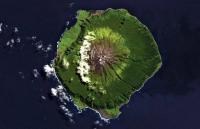
1. Tristan da Cunha
This island, one of the most isolated inhabited regions globally, is located in the South Atlantic and is part of the UK. With no airport, inhabitants rely on ships from South Africa, making journeys lengthy.
2. Pitcairn Islands
In the South Pacific, this is one of the smallest permanent communities, with few residents relying on passing ships for essentials, famous for the HMS Bounty mutiny.
3. Easter Island
Also known as Rapa Nui, this Chilean island is remote in the Pacific, famed for its Moai statues. Despite tourism and an airport, its geography renders it isolated.
4. Bouvet Island
This Norwegian volcanic island in the South Atlantic is mostly ice-covered and the world's most isolated uninhabited island, visited only by scientific expeditions.
5. Devon Island
In northern Canada, it's the largest uninhabited island, offering a Mars-like environment, used by space agencies for research due to its harsh climate.
6. Kerguelen Islands
Managed by France in the southern Indian Ocean, they host temporary research teams. Their remoteness earns them the title "Desolation Islands."
7. Heard Island
Located between Australia and Antarctica, it's home to an active volcano, inhospitable climate, and houses no permanent residents or infrastructure.
8. Macquarie Island
South of Australia, it's ecologically significant with numerous seabirds and seals, hosting periodic scientific stations yet remains far from urban centers.
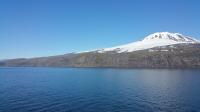
9. Jan Mayen
This Norwegian island in the North Atlantic features an active volcano and harsh polar conditions. Only a few meteorological and communication workers reside there.
10. Amsterdam Island
In the southern Indian Ocean, under French administration, it boasts unique wildlife and extreme remoteness, limiting its use to scientific and environmental monitoring missions.
How Do Inhabitants of Isolated Islands Live?
Small island communities depend on fishing, limited farming, and maritime imports. Modern communication and the internet facilitate connection with the outside world despite ongoing logistical challenges.
Food and medical supplies typically arrive via periodical ships, requiring advance planning and long-term storage. Weather can even delay these supplies for weeks.
Why Do Remote Islands Interest Scientists?
These islands serve as unique natural laboratories for studying biodiversity, climate change, and the evolution of isolated ecosystems. Their limited human impact contributes to understanding long-term biological and environmental evolution.
Additionally, some islands are used for space, geology, and oceanographic research, owing to their exceptional environments.
Ultimately, the world's most isolated islands unveil a remarkable aspect of Earth, untouched by the hustle of modern urbanization. As scientific and tourist interest persists, these islands remain some of the world's most mysterious and captivating locations.
See Also:
The Safest Countries for Tourism 2026