



Biotin has gained significant attention from those who face issues such as hair loss, weak hair, or slow growth. Known as Vitamin B7 or Vitamin H, biotin plays an essential role in the body's metabolism, helping convert food into energy and using necessary elements for hair building.
Moreover, biotin contributes to the production of keratin, the primary protein making up hair. This is why it is widely associated with maintaining hair health and enhancing its strength and healthy appearance.
What is Biotin?
Biotin is a water-soluble vitamin belonging to the B complex vitamins. It is involved in many vital bodily processes, including the metabolism of fats, carbohydrates, and proteins—elements crucial for the health of hair, skin, and nails. The body cannot store large amounts of biotin; hence, it must be regularly obtained through diet or supplements when necessary.
Benefits of Biotin for Hair
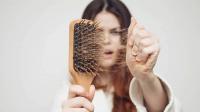
Reduces Hair Loss and Breakage
One of the most noted benefits of biotin is hair strengthening, aiding in supporting the hair's core structure from roots to ends, reducing the likelihood of breakage and split ends, thus giving hair greater resistance to external factors. It may also improve follicle health in those with a biotin deficiency.
Enhances Hair Growth and Length
Biotin is linked to supporting the biological processes necessary for hair growth. By improving the efficiency of cells responsible for nourishing follicles, it may encourage healthy hair growth and enhance its overall appearance over time.
Improves Hair Elasticity
Some hair types suffer from dryness and weak elasticity, increasing the chance of breakage during brushing or styling. Biotin supports the hair's internal structure and improves its elasticity, reducing damage from daily factors.
Increases Density and Shine
Biotin supports scalp health and improves cell metabolism, leading to hair that appears denser, shinier, and livelier, especially in individuals with a deficiency.
Supports Scalp Health
Biotin benefits extend beyond hair to the scalp, maintaining an optimum environment for hair growth and enhancing the functions of cells responsible for nourishing the follicles.
Natural Sources of Biotin
Biotin can be obtained from numerous healthy foods recommended for daily diets.
Key Foods Rich in Biotin
Cooked Eggs
A well-known natural source of biotin, also rich in protein vital for hair construction.
Nuts
Almonds, walnuts, and peanuts offer good amounts of biotin along with healthy body-beneficial fats.
Legumes
Lentils, beans, and chickpeas provide a good amount of biotin and essential nutrients for hair health.
Liver
An abundant source of biotin as well as many other vitamins and minerals.
Fish
Certain fish contain decent amounts of biotin along with omega-3 fatty acids supporting hair health.
Biotin Supplements for Hair
Apart from natural sources, biotin is available as dietary supplements in different forms.
Available Supplement Forms
-Biotin pills.
-Biotin capsules.
-Multivitamins containing biotin.
-Certain oils and hair care products fortified with biotin.
However, it is advisable to consult a doctor or pharmacist before using dietary supplements, especially when taking other medications or having specific health conditions.
Does Biotin Really Treat Hair Loss?
This is an important point that many overlook. Medical studies indicate that biotin supplements show significant results primarily in individuals with an actual deficiency in this vitamin.
If biotin levels are normal, hair loss might be due to other factors, such as genetics, hormonal changes, emotional stress, or certain skin conditions. Therefore, taking supplements without diagnosing the true cause of hair loss may not yield the expected results.
Signs of Biotin Deficiency
Although biotin deficiency is relatively rare, it may lead to noticeable symptoms.
Key Deficiency Symptoms
-Significant hair loss.
-Brittle nails.
-Dry skin.
-Fatigue and exhaustion.
-Rashes in some cases.
-Weak hair growth.
Tips for Maintaining Hair Health
Besides obtaining biotin, other crucial factors contribute to maintaining healthy and strong hair.
Key Tips
-Consume a balanced diet rich in proteins and vitamins.
-Drink sufficient amounts of water daily.
-Minimize excessive heat exposure to hair.
-Avoid chronic stress whenever possible.
-Get adequate sleep.
-Address medical causes of hair loss when present.
In conclusion, biotin is crucial for those experiencing a deficiency, aiding in hair growth, reducing breakage, and improving density and shine.
Thus, maintaining a balanced diet and consulting specialists in case of persistent hair loss remains the best option for keeping hair healthy and strong.
See Also