


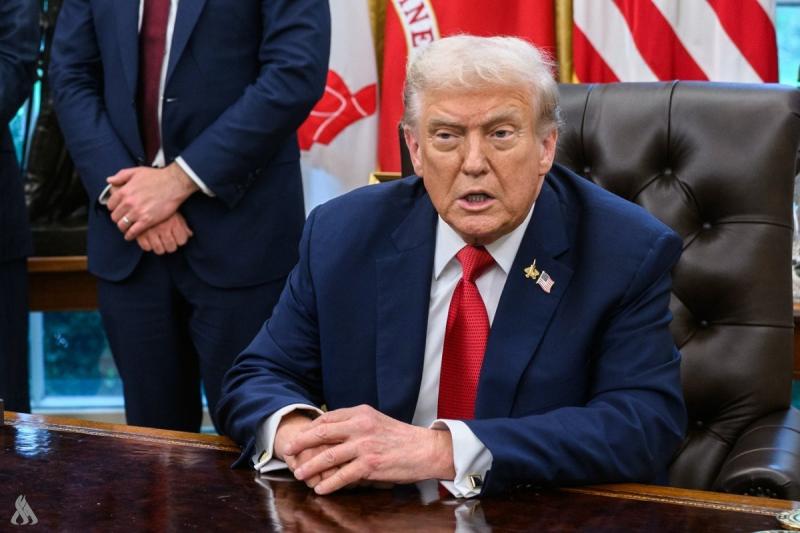
U.S. President Donald Trump has stated that the assassination of Commander Qassem Soleimani in early 2020 was a pivotal event that contributed to the current understandings between Washington and Tehran.
Trump made these remarks during a meeting with Egyptian President Abdel Fattah el-Sisi on the sidelines of the G7 Summit, emphasizing that Soleimani was an influential figure in the regional landscape. He suggested that Soleimani's absence has altered the course of events in the region over recent years.
The U.S. President noted that the elimination of Soleimani during his first term was a strategic decision, further adding that the current circumstances might not have materialized if the Iranian commander had remained alive.
These comments come as the United States and Iran, with Pakistan’s mediation, continue efforts to reach final understandings aimed at ending existing tensions and paving the way for a new phase of political and security relations.
Conversely, Iranian positions remain cautious. Iranian Foreign Ministry spokesperson Ismail Baghaei asserted that ongoing negotiations might lead to an agreement or could continue without final results, pointing out that the final decision hinges on the consensus of Iran’s decision-making institutions.
Trump’s remarks reflect ongoing differences in interpreting the negotiations between the two sides. While Washington highlights the proximity to reaching a comprehensive understanding, Tehran continues to stress that key issues remain unresolved and have not been settled definitively.
Observers believe that revisiting the Soleimani issue at this juncture carries political and symbolic weight, particularly as negotiations approach their crucial stages and debate continues over the final agreement's form and implementation mechanisms.