


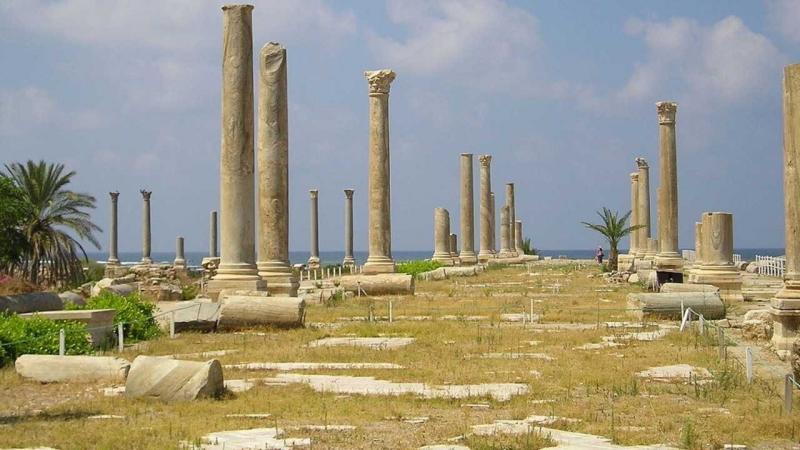
The historical and archaeological sites in Byblos are among the top tourist and cultural attractions in Lebanon and the Middle East. The city is a blend of Phoenician, Roman, Byzantine, and Crusader relics, making it an open-air museum narrating the story of civilizations over 7,000 years.
This unique heritage has earned Byblos a spot on the UNESCO World Heritage List, making it a key destination for those seeking both history and beauty.
Why is Byblos one of the world's most important historical cities?
Byblos is one of the oldest continuously inhabited cities on earth, playing a pivotal role in Phoenician civilization and the development of Mediterranean sea trade. Its historical status grew as a center for exporting cedar wood, wine, and papyrus to ancient civilizations.
Furthermore, the city experienced various periods of prosperity during Roman, Byzantine, Crusader, and Ottoman times, reflected in its diverse archaeological landmarks that remain evidence of its long history today.
Notable Archaeological Sites in Byblos Historic Area
Byblos Crusader Castle
The Byblos Crusader Castle is the city's most famous landmark, built in the 12th century by the Crusaders using stones from older Roman and Phoenician structures. The castle offers breathtaking panoramic views of the old city and the Mediterranean Sea.
Inside, it features stone corridors and areas where visitors can explore medieval military architecture, along with exhibits documenting the various historical phases of the region.
Roman Theatre
Located near the castle, the Roman theatre stands as a witness to the Roman era in Byblos. While much of it no longer remains, what survives showcases the grandeur of Roman architectural prowess in designing cultural edifices. Additionally, the theatre's seaside location makes it one of the most photographed sites.
Phoenician Royal Tombs
The Phoenician Royal Tombs represent a crucial archaeological discovery in Byblos, carved into rock from the second millennium BC. This site is significant for finding the sarcophagus of King Ahiram, featuring one of the oldest inscriptions in the Phoenician alphabet, which influenced writing systems globally.
Temple of the Obelisks
Dating from around 1900 to 1600 BC, the Temple of the Obelisks is one of the most important Phoenician religious sites discovered in Byblos. It was dedicated to the god Resheph, a primary deity in ancient Phoenician beliefs.
The site yielded dozens of small stone obelisks, gilded bronze statues, and rare artifacts, enriching our understanding of ancient religious practices.
Remains of the Old Wall
Parts of the historical wall still encircle the old town, reflecting Byblos's defensive importance during medieval times. The wall played a crucial role in protecting the city from frequent sea invasions.
A walk along these walls reveals defensive architectural styles used in that era, adding a unique historical depth to the visit.
Surrounding Historical Landmarks
Ancient Phoenician Port
The ancient Phoenician port is a significant historical symbol in Byblos, having been a primary launch point for Phoenician maritime trade across the Mediterranean. From here, ships laden with timber and goods set sail to ancient Egypt and various historic ports.
The port remains charmed by its traditional fishing boats and picturesque maritime scene, attracting thousands of visitors yearly.
Old Market
The Old Market represents the heart of heritage life in the city, with stone-paved alleys and historic archways reflecting the area's traditional architectural character. The market hosts various artisanal shops, restaurants, and cafes, offering a genuine Lebanese experience within a charming historical environment.
Saint John Mark's Cathedral
This cathedral is one of Byblos's notable religious historical landmarks, built in 1115 AD during the Crusader period. It features architectural designs combining Roman and Byzantine influences, with high stone arches and distinctive decorations, still attracting those interested in ancient religious architecture today.
Sultan Abdul Majid Mosque
The mosque exemplifies the Islamic heritage in the city, established during the Ayyubid period and further developed during the Ottoman era. It highlights the historical coexistence of various cultures and religions in Byblos, distinguishing it from numerous other historical sites in the region.
Museums Worth Visiting in Byblos

Memory of Time Fossil Museum
Located in the old market, this museum hosts an exceptional collection of rare marine fossils, some millions of years old, offering a unique insight into the region's geological history and ancient marine life.
Wax Museum
The Wax Museum provides a different experience through wax figures depicting prominent historical and cultural figures associated with Lebanon and Byblos, presenting history in an interactive, visually engaging manner.
Best Times to Visit Byblos
Spring and fall are ideal for visiting due to moderate temperatures and suitable conditions for exploring archaeological sites. Byblos also bustles with cultural activities during summer, featuring various artistic events and festivals.
In winter, the city offers a serene atmosphere for leisurely historical exploration without crowds, perfect for enthusiasts of photography and discovery.
Tips for a Complete Historical Tour in Byblos
For the best experience, start your tour at the Crusader Castle, then move to the main archaeological area and ancient port before exploring the heritage market and museums. It's recommended to dedicate a full day to enjoy all sites without rushing.
Additionally, hiring a local tour guide can add significant value by providing detailed historical insights into various sites and their development over the ages.
Ultimately, the best historical and archaeological sites in Byblos are an extraordinary example of a city that has preserved its cultural heritage over millennia. Hence, this venerable Lebanese city remains one of the Middle East's top historical destinations, continually captivating visitors worldwide.
See Also
Top Photography Spots in Byblos