


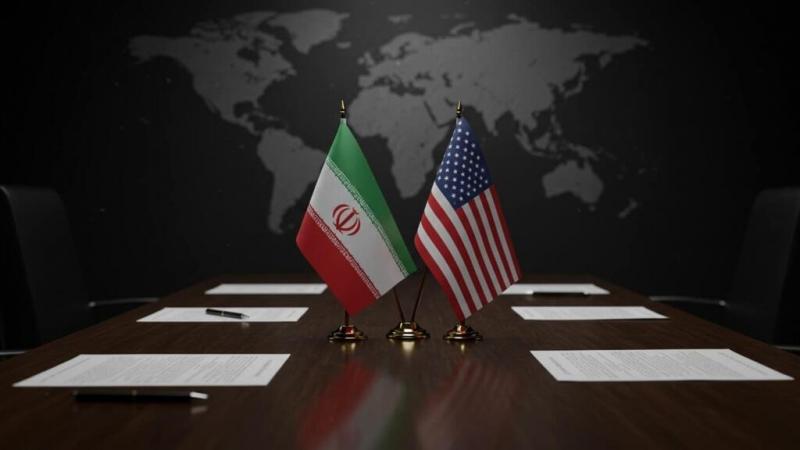
Western and Iranian media reports have unveiled details of the fifth clause in the memorandum of understanding between the United States and Iran. This clause is notably sensitive due to its direct connection to the Strait of Hormuz, one of the most critical strategic waterways for global energy and trade transport.
According to circulating information, the fifth clause includes a series of commitments regulating navigation in the strait for the coming period. Foremost among these is Iran's pledge to ensure the safe and unobstructed passage of commercial ships through the Strait of Hormuz for sixty days from the agreement's enforcement date, without imposing fees or additional burdens on transiting vessels.
The agreement further stipulates the resumption of commercial navigation immediately upon signing the memorandum, aiming to reassure global markets and shipping companies, and to restore maritime trade flow through one of the world's most vital waterways.
The clause also requires Iran to remove all technical and military obstacles, including sea mines, from the strait within thirty days, ensuring a gradual return of navigation to normal levels.
In future arrangements, the agreement calls for the initiation of a dialogue between Iran and Oman to establish mechanisms for managing maritime services in the strait, alongside consultations with the Gulf littoral states, in accordance with international law and the rights of neighboring countries.
Regarding the post sixty-day phase, the language of the clause raises questions about the future management of the strait. Iranian Parliament Speaker Mohammad Bagher Ghalibaf stated that the status of the Strait of Hormuz will not revert to its previous state, emphasizing that recent developments have bolstered Iran's position and role in this strategic passage.
Meanwhile, Iranian Foreign Ministry spokesman Ismail Baqaei announced that Tehran, in cooperation with Oman, is working on establishing a new system to manage the Strait of Hormuz, indicating the potential introduction of charges for maritime services provided to transiting ships in the future.
Observers see these arrangements as an attempt to establish a new equation that reopens the strait to international navigation in the short term, while enhancing Iran's role in its management in the future and transforming related services into a sustainable revenue source. This framework seeks to uphold international navigation rules while ensuring the continuity of global trade.