


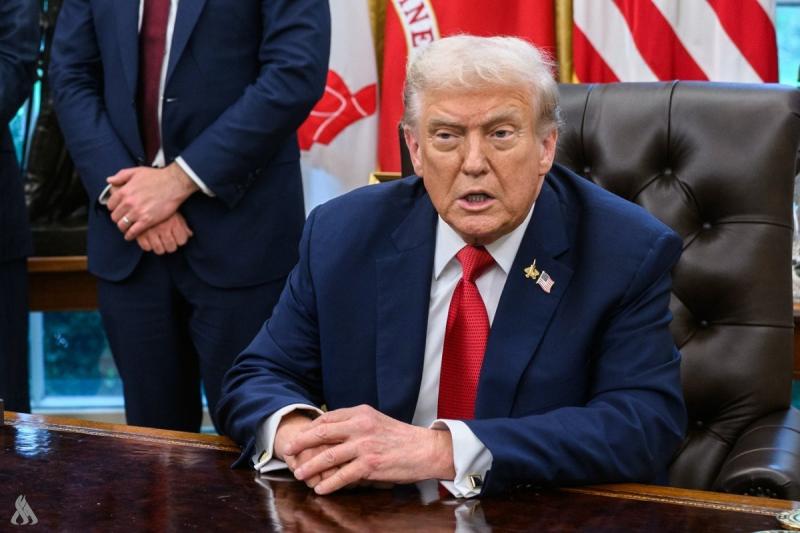
American media reports have revealed an inclination within President Donald Trump's administration to end the conflict with Iran swiftly due to growing concerns about the economic repercussions of the dispute on global markets and the U.S. economy.
According to circulated information, Trump and his team decided in June to move towards a framework agreement with Tehran. This agreement includes reopening the Strait of Hormuz and establishing general guidelines to address contentious issues, foremost among them the Iranian nuclear program.
The reports indicate that several senior officials within the U.S. administration supported the option of de-escalation and settlement. Treasury Secretary Scott Beisner expressed concerns over the war's economic impacts, while Energy Secretary Chris Wright warned about the crisis's continued effects on global energy markets.
Conversely, some security officials expressed reservations about the agreement, including CIA Director John Ratcliffe and Defense Secretary Pete Hegseth, who were skeptical about Iran's commitment to any long-term understandings.
These insights follow the signing of a memorandum of understanding between the United States and Iran, which included halting military operations, reopening the Strait of Hormuz to international navigation, and starting sixty-day negotiations to address nuclear files and unresolved issues between the parties.
In this context, U.S. Vice President J.D. Vance announced that Washington has effectively lifted naval restrictions on Iranian ports, affirming the continued flow of oil shipments through the Strait of Hormuz since the agreement's implementation.
These developments underscore the growing importance of economic factors in shaping international policies, especially given the sensitivity of global energy markets to any disruptions that might affect trade movement and oil supplies in the region.