


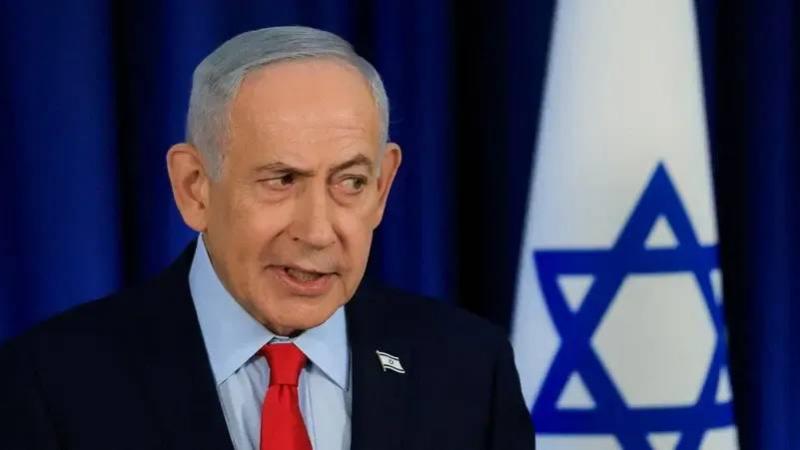
Amid ongoing tensions between Israel and the U.S. over the memorandum with Iran and the conflict in Lebanon, Israeli Prime Minister Benjamin Netanyahu declared that Israel dealt a significant blow to Tehran and its regional proxies.
However, during a meeting with reserve combat officer cadets in Gush Etzion on Tuesday, he emphasized that the war is not over yet.
Netanyahu expressed his immense appreciation for the support received from the United States, yet highlighted Israel's need for independence. He stated, "We must produce our military needs on our own," as reported by Israeli media.
He further added, "I greatly appreciate the support we've received from our American friends, but we need to free ourselves from dependency and establish our own independent weapons systems."
Trust Issues
U.S. President Donald Trump expressed confidence on Monday in his ability to resolve Israel's reluctance to withdraw forces from southern Lebanon. Speaking to reporters, he said, "I am great at solving problems, I solve them very quickly, including with Bibi (Benjamin Netanyahu)."
This came after Netanyahu and Defense Minister Yisrael Katz reiterated multiple times that the military would not withdraw from what they termed the "security zone" in southern Lebanon, despite the U.S.-Iran memorandum signed on June 18 indicating otherwise.
These statements unfolded amid a trust crisis between Washington and Tel Aviv, with U.S. administration officials recently criticizing the Israeli government.
U.S.-Israeli relations are experiencing severe fluctuations, visibly reflected through the recent public criticisms by Trump, who described "Bibi" affectionately yet controversially as a "maniac," accusing him of loving wars.
U.S. Vice President J.D. Vance also criticized Netanyahu's ministers last week, reminding Tel Aviv that most of the weapons they use come from America.
Netanyahu and many Israeli officials have viewed the memorandum signed by Trump with Iran last Wednesday as potentially empowering Iran, which they see as Israel's staunch enemy, and restricting their ability to respond to threats posed by Hezbollah in Lebanon.