



Investors and citizens alike are pondering the future of real estate prices in Lebanon, amidst economic and security changes that have directly impacted buying, selling, and rental activities in recent years. While some areas experience rising demand and prices, others remain stagnant and cautious.
Rental and sales markets also show varying trends. Some regions have seen significant rent increases due to high demand, while property ownership and investment remain tied to trust and political and economic stability.
The Lebanese Real Estate Market Outlook for 2026
The Lebanese real estate sector enters 2026 facing exceptional conditions, including financial challenges, declining purchasing power, and increased demand in more stable areas. Investors closely watch political and security developments due to their direct impact on the market and prices.
Significant Rent Increases in Secure Areas
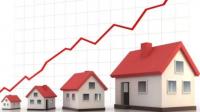
Increased Demand Due to Internal Displacement
Internal migration towards more stable areas has sharply increased demand for housing units, while supply has struggled to keep pace, leading to noticeable price hikes.
Regions Recording Significant Increases
Areas like Saida, Beirut, and the Mount Lebanon coast have seen substantial rent hikes, with monthly rents rising from $300–$500 to $700–$1200 due to high demand and limited availability.
Impact on Property Ownership Prices
Rising demand has also affected the sales market, with many opting to purchase permanent homes instead of facing high rents, driving up property prices by 5%-10% in some areas.
A Decline in Real Estate Transactions
Despite increased demand in certain areas, the overall real estate market remains cautious.
Decrease in Real Estate Transactions
Indicators show a drop in sales compared to previous periods, influenced by lingering economic and political uncertainty delaying investment decisions.
Lack of Housing Loans
The halt in housing loans is a significant factor affecting the Lebanese real estate market. Previously, bank loans were a primary demand driver, but now purchases rely mostly on "Fresh Cash" or direct liquidity.
The Role of Expatriates in Real Estate
Expatriates form a key purchasing power in the real estate market, but reduced inflow and current hesitancy have dampened foreign investment in real estate, decreasing overall demand.
Why 2026 May Be an Investment Opportunity
Amid challenges, some investors and experts see potential in the Lebanese real estate market for medium to long-term opportunities.
Scarcity of New Supply
The construction sector in Lebanon has slowed significantly, with many new housing projects halted or delayed, along with rising construction costs and funding difficulties, reducing project availability.
This may lead to limited new real estate supply in coming years, potentially supporting price increases when economic conditions improve.
Anticipated Demand Return
Some investors believe that improvements in the political and security landscape could gradually restore confidence, potentially attracting expatriates and foreign investors back to the market, boosting demand and prices.
Factors Determining Price Trends in 2026
Political and Security Stability
The most influential factor on investor and buyer decisions. Greater stability boosts market recovery and price increases.
Return of Real Estate Financing
Improving the banking sector or launching new financing programs could significantly stimulate purchasing activity.
Expatriate Engagement
Expatriate investors are a crucial purchasing force, capable of stimulating the market if economic confidence returns.
Sustained Demand for Secure Areas
Continued migration to more stable areas could maintain rental and ownership price increases in these regions compared to others.
Is Now the Time to Invest in Lebanese Real Estate?
The decision depends on the investor's goals and risk tolerance. Long-term investors may see current prices as a chance to enter the market before potential future recovery.
Conversely, some investors prefer to wait until the political and economic situation becomes clearer before making purchasing decisions.
Property Price Forecasts for Late 2026
Forecasts indicate that property prices may not see a comprehensive rise across all areas shortly. However, prices are expected to continue climbing in high-demand, more stable regions, particularly in the rental market.
For the sales market, growth is anticipated to remain limited and gradual until economic conditions improve and investment confidence widens.
In conclusion, experts believe that limited new project development and scarce real estate supply may lay the groundwork for gradual price increases in the future if market confidence returns and overall conditions improve. Thus, 2026 may prove to be a pivotal year for shaping the Lebanese real estate sector's future direction.
See Also
Best Investment Strategies for Beginners