


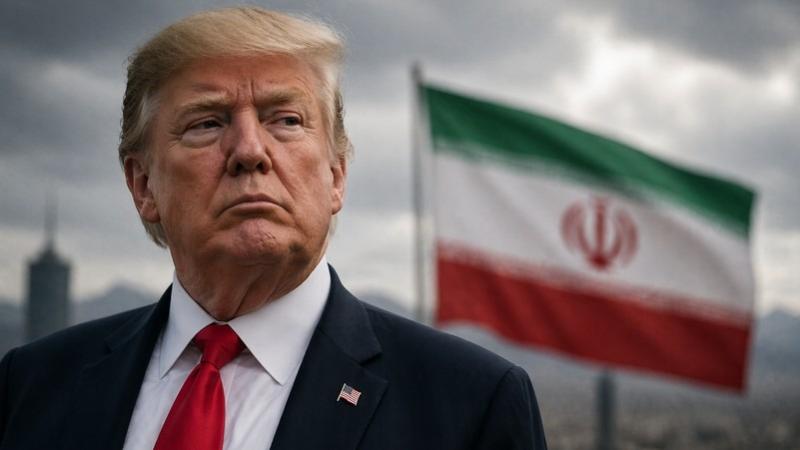
Just days after the U.S. and Iran signed an agreement to halt hostilities and initiated negotiations for the first 60 days post-agreement, the U.S. Senate passed a resolution on Tuesday calling for the withdrawal of American troops from the conflict with Iran.
Although the resolution is not legally binding, it poses a symbolic setback for U.S. President Donald Trump.
What does the resolution mean? Why is it symbolic? And how does it challenge Trump’s policy?
For weeks, Democratic opposition has sought to restrain Trump's military authority in the conflict with Iran, criticizing what they perceive as executive overreach in bypassing the legislative powers represented by Congress.
According to the U.S. Constitution, the power to declare war lies solely with Congress, a step Trump bypassed when initiating the conflict with Iran on February 28.
While the law allows the president to take military action in response to an imminent threat, he is required to seek congressional approval within 60 days.
Trump exceeded this deadline in early May, justifying his actions by claiming the conflict, which began on February 28 with American and Israeli strikes, ended due to the ceasefire.
Democrats dispute this justification, pointing out the continued U.S. military presence despite the removal of the American naval blockade on Iranian ports, as per last week's memorandum of understanding.
However, the Senate passed the resolution by a 50-48 majority, following congressional approval, mandating the withdrawal of U.S. troops from the conflict.
Given congressional rules, the Republican president does not need to veto it.
This vote represents a blow to Trump amidst ongoing negotiations with Iran, despite his party holding a majority in both the House and Senate.
The resolution might offer reassurance to the Iranians, indicating that Trump would find it challenging to resume hostilities, potentially giving Iran an advantage in negotiations.
Trump criticized the resolution, writing on his platform "Truth Social": "Iran was cornered and ready to fall. The U.S. Senate decides to take a poorly-timed, meaningless vote on the War Powers Act. These senators made my job harder, but I'll accomplish it one way or another, as I always get things done!"
During the House debate earlier this month, Trump condemned what he viewed as an "unpatriotic" vote by Democratic opposition and four Republican representatives who joined them.
He stated that Democrats "would rather see our country fail than give me another victory among the many successes" he claims to have achieved.
Senate Minority Leader Chuck Schumer stated before the vote: "Americans have paid the price for Trump's historic blunder in Iran. Trump should never have started this war."
In contrast, Republican Senator and Foreign Relations Committee Chairman Jim Risch urged his Senate colleagues to vote against the resolution.
He warned, "If this resolution is adopted, the Iranians will simply get up and leave the negotiations. Let diplomacy work."