



Vitamin D is an essential nutrient necessary for maintaining healthy bones, strengthening muscles, and supporting immune functions. Many people suffer from low levels of this vitamin due to limited sun exposure or inadequate dietary intake.
Incorporating Vitamin D-rich foods into your daily diet can naturally boost your vitamin levels. This is particularly effective when combined with a balanced diet and a healthy lifestyle. Sources of Vitamin D are available in various fish, dairy products, eggs, and some fortified foods.
Top Vitamin D Rich Foods to Naturally Compensate Deficiency
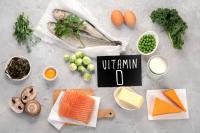
The body requires Vitamin D to aid in the absorption of calcium and phosphorus, vital for bone and dental health. While sunlight is the primary source of this vitamin, certain foods can provide a substantial amount, enhancing daily intake.
Fatty Fish: The Strongest Source of Vitamin D
Fatty fish are among the richest natural sources of Vitamin D, also offering beneficial Omega-3 fatty acids.
Notable examples of these fish include:
- Salmon
- Sardines
- Mackerel
- Tuna
- Herring
Regular consumption of fatty fish supports heart and bone health and supplies essential nutrients.
The Role of Egg Yolks in Raising Vitamin D Levels
Egg yolks naturally contain Vitamin D, especially when sourced from high-quality eggs.
Eggs are an easy option to add to daily meals, whether boiled or included in various dishes, benefiting from their protein and other minerals.
Fortified Dairy Products with Vitamin D
Some dairy products are significant sources of Vitamin D, particularly those fortified during manufacturing.
Suitable options include:
- Fortified milk
- Fortified yogurt
- Certain types of fortified cheese
These products help combine calcium and Vitamin D intake, supporting bone and dental health.
Mushrooms: A Unique Plant-Based Source of Vitamin D

Mushrooms can produce Vitamin D when exposed to ultraviolet rays, making them a beneficial plant-based option.
Mushrooms can be added to various dishes like:
- Salads
- Soups
- Main meals
- Vegetable dishes
They serve as a suitable choice for individuals looking to reduce animal product consumption.
Foods Fortified with Vitamin D
Several fortified foods are available to help meet the body's daily Vitamin D needs.
Examples include:
- Fortified breakfast cereals
- Some fortified juices
- Fortified plant milk alternatives such as soy and almond milk
These options enhance the variety of vitamin sources in the diet, particularly for those not getting enough from natural sources.
Tips to Improve Vitamin D Absorption
To maximize the benefits of Vitamin D sources, consider following these tips:
- Moderate sun exposure at appropriate times
- Consuming healthy fat sources to aid vitamin absorption
- Maintaining a balanced diet rich in calcium
- Undertaking medical examinations if symptoms or vitamin deficiency is suspected
- Consulting a doctor before using supplements when necessary.
Signs That May Indicate Vitamin D Deficiency
Low Vitamin D levels may be associated with noticeable signs such as:
- Persistent fatigue
- Muscle weakness
- Bone or joint pain
- Slow recovery from injuries
- Mood changes
Symptoms can vary among individuals, so it's advisable to confirm vitamin levels through medical tests.
Conclusion
Relying on natural food sources is an important step in supporting Vitamin D levels and maintaining overall health. Integrating fatty fish, eggs, fortified dairy products, and mushrooms into your diet can boost the intake of this vital element in a balanced way.
Besides dietary importance, maintaining a healthy lifestyle and ensuring appropriate vitamin levels through relevant tests are some of the best ways to sustain bone and immune health.
See Also
10 Best Natural Ways to Improve Sleep Quality