


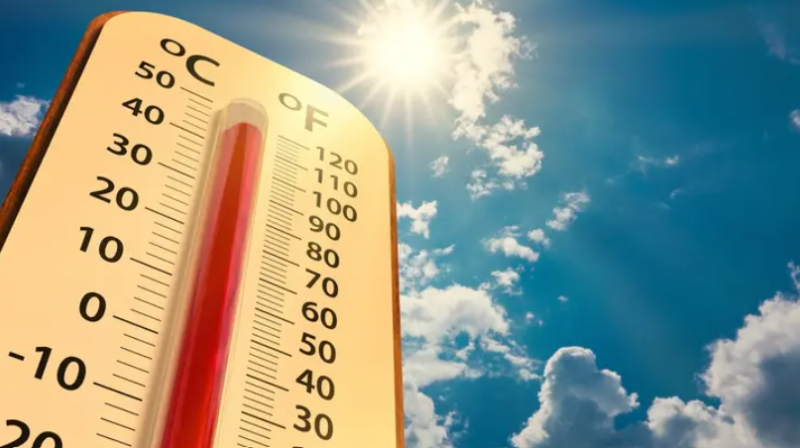
As Egypt grapples with escalating heat waves and widespread discussions on social media regarding record-high temperatures, Egyptian officials and climate experts have raised alarms about an incoming severe heatwave. This wave is set to begin today, Saturday, and is expected to last for at least 10 days.
Officials have revealed that the country will experience three simultaneous climatic phenomena that will increase the sensation of scorching heat. They assert that these are natural summer-related phenomena requiring immediate precautionary measures, particularly in the agriculture and public safety sectors.
Dr. Mohamed Ali Fahim, Head of the Climate Change Information Center at Egypt's Ministry of Agriculture, told "Al Arabiya.net" and "Al Hadath.net" that early climate warning models, in coordination with the Meteorological Authority, indicate an impending severe heatwave across all areas.
Fahim identified the forthcoming climatic phenomena: successive harsh waves with relentless high temperatures, significant increases in solar radiation rates, and higher morning humidity levels, which elevate dew formation and free moisture on plant surfaces.
Dr. Fahim warned about the agricultural impact, noting that nighttime heat can cause "dark respiration," leading to increased plant dry matter breakdown and ethylene hormone secretion, resulting in smaller fruit and grain sizes or forced premature ripening.
This heatwave also increases water requirements for plants by 20% to 25%, with crops like pomegranates and tomatoes at risk of "sunburn."
Fahim advised farmers to reduce irrigation intervals, especially for newly planted or transplanted crops, and to implement "shift" watering systems in the morning and evening with less water if using drip irrigation. He stressed avoiding midday watering, except through solar-powered systems, and recommended preventive spraying against downy mildew on grapes, basil, and cucurbits.
Dr. Manar Ghanem, a member of the Information Center at the Meteorological Authority, confirmed to "Al Arabiya.net" and "Al Hadath.net" that these phenomena are typical during July and August. She explained that the crucial summer factor is increased humidity due to hot air masses laden with water vapor from the Mediterranean Sea.
Ghanem noted that this high humidity leads to "heat deception," making people feel temperatures about 4 degrees Celsius higher than the actual or physiological values announced.
She outlined the expected weather for the next week with temperatures between 35 and 36 degrees Celsius in the shade during the day, and mild, humid nights. Egypt will also experience increased sunshine and intermittent wind activity, with early morning fog temporarily affecting visibility but dissipating quickly upon sunrise without impacting traffic.
Dr. Ghanem concluded by advising citizens to avoid direct sun exposure during midday to ensure their safety, given the heightened risks of solar radiation and humidity at this time.