


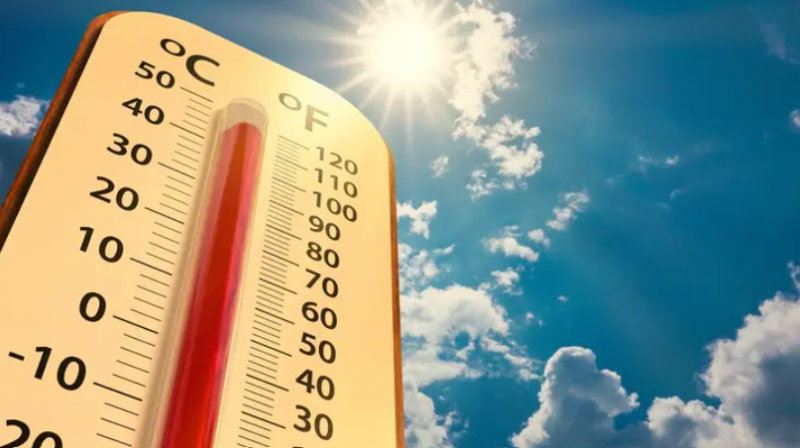
Severe heatwaves in Europe have evolved from a mere summer occurrence to a daily test of cities' and populations' ability to adapt to a harsher climate reality.
In Berlin, recent heatwaves saw temperatures soar to 39.2°C, with daily life continuing amid intense heat as city streets buzzed with leisure activities despite clear signs of heat exhaustion among many.
In Eastern Germany, the village of Kuestrin recorded a temporary high of 41.7°C, in a region with notable political support for far-right parties, some of which question scientific facts about climate change.
These scenes coincide with scientific estimates suggesting that the June heatwave across Europe may have caused thousands of deaths, potentially exceeding 20,000 according to some estimates, as reported by The Guardian.
Addressing the rising temperatures isn't solely a matter of high-level policies; experts argue that individuals can also mitigate risks through changes in daily lifestyle habits.
Reducing Emissions
Scientists view curbing global warming as the primary defense against future heatwaves.
Studies indicate a substantial portion of heat-related deaths in European cities are linked to emissions from fossil fuel combustion.
Individuals can reduce their carbon footprint through daily choices, such as cutting back on air travel, reducing meat consumption, opting for less polluting transportation methods, and utilizing more energy-efficient home solutions.
While the responsibility for the climate crisis also lies with governments and large corporations, individual consumption patterns, mobility habits, and political choices play a role in determining the climate trajectory in the coming decades.
Cooling Homes
Dealing with heatwaves isn't just about lowering global temperatures but also managing one's immediate environment.
Cities face an additional challenge known as ‘urban heat islands,’ where buildings and asphalt roads retain heat, raising temperatures within cities higher than in surrounding areas.
While air conditioners provide a direct solution, they strain power grids and can increase city temperatures through energy emissions.
Alternative simple measures can aid in reducing indoor heat, such as using exterior blinds, shades, and minimizing direct sunlight into rooms.
Renters unable to make major home changes can still benefit from temporary solutions like covering windows or using heat-insulating fabrics.
Changing Daily Behavior
As temperatures climb, daily habits become a critical factor in reducing health risks.
It’s advisable to drink adequate water, wear light and loose clothing, avoid direct sun exposure during peak hours, and maintain cool living environments as much as possible.
Experts note that some routine behaviors in moderate climates can become hazardous during heatwaves, such as prolonged outdoor activities or opening windows when the outside temperature is higher than indoors.
These strategies gain importance as climate change continues, with intense heatwaves becoming part of a new reality that demands greater preparedness from both individuals and communities.
High-Risk Groups
The elderly, children, and those with chronic illnesses are among the most vulnerable to rising temperatures, making their support and monitoring crucial during heatwaves.
Amid increasing extreme weather events, climate experts emphasize that adapting to heat is no longer an optional extra but a necessity to protect lives and reduce the impacts of a crisis escalating each year.