


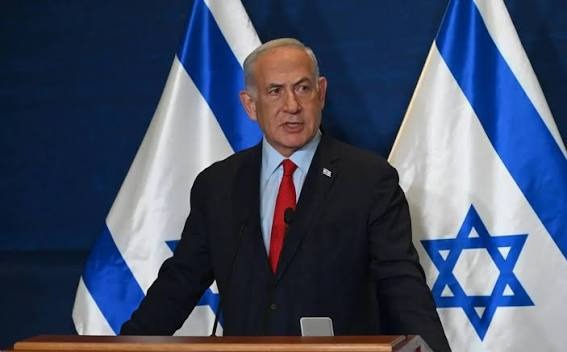
Israeli Prime Minister Benjamin Netanyahu praised the framework agreement reached with Lebanon under U.S. mediation, describing it as a 'historic achievement' that provides security benefits to Israel and delivers a strategic blow to Iran and Hezbollah. However, the agreement has faced sharp criticism from National Security Minister Itamar Ben Gvir.
In a briefing broadcast on Israeli television, Netanyahu stated that the agreement emerged from direct negotiations between Israel and Lebanon. He affirmed that Israeli forces would continue their presence in what Tel Aviv refers to as the 'security zone' within southern Lebanon until Hezbollah and other armed groups perceived as threats by Israel are disarmed.
He added that both the United States and Lebanon recognized Israel's right to maintain this zone as long as security needs dictate, stressing that Israel will retain control until threats are fully eliminated.
In contrast, Israeli National Security Minister Itamar Ben Gvir attacked the agreement, calling it a 'major mistake' and casting doubt on the Lebanese government's ability to fulfill the disarmament clause of Hezbollah.
Ben Gvir noted that some members of the Lebanese government belong to Hezbollah, arguing that Beirut cannot be trusted to uphold its commitments. He asserted that only the Israeli army can, in his view, dismantle the party's military capabilities.
This divergence reflects ongoing divisions within the Israeli government regarding the management of the Lebanese file, despite the announcement of a U.S.-brokered agreement aimed at calming the situation on the border and setting the stage for long-term security arrangements.