


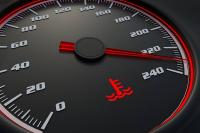
Car engines naturally operate at high temperatures, but the cooling system ensures they stay within safe limits. Any malfunction in this system can lead to a gradual increase in engine temperature, prompting a warning on the dashboard. If not addressed, steam might emerge from the car's front, or the car might stop functioning altogether.
Ignoring this issue could cause significant engine damage, like a blown head gasket or damaged cylinder heads, leading to costly repairs. Understanding the reasons behind car overheating can help address problems before they escalate.
Top Causes of Car Overheating:
Low Coolant Level
Low coolant levels, often due to leaks in hoses, the radiator, or water pump, or from not regularly checking the levels, can cause the engine to overheat.
Cooling Fan Failure
The cooling fan helps lower radiator temperature, especially while idling or driving slowly. A malfunction in the fan, its motor, or fuse can cause rapid engine overheating.
Radiator Blockage
Over time, sediments and grime can accumulate inside the radiator, obstructing coolant flow and reducing cooling efficiency. Dirt and bugs on the radiator's exterior can also hinder airflow.
Thermostat Failure
The thermostat controls coolant flow between the engine and radiator. If it gets stuck closed, it stops coolant from reaching the radiator, leading to engine overheating.
Water Pump Malfunction
The water pump circulates coolant through the engine and cooling system. If it fails or its components wear out, coolant flow diminishes, causing temperature rise.
Low Engine Oil Level
Engine oil reduces friction among internal parts and dissipates some heat. If the oil level decreases or loses its properties from delayed changes, engine temperature can rise.
Faulty Radiator Cap
The radiator cap maintains adequate pressure in the cooling system. A faulty cap reduces pressure, causing the coolant to boil faster and the car to overheat.
Cooling System Leaks
Leaks can occur in:
- Radiator
- Water hoses
- Water pump
- Coolant tank
- Engine gaskets
Any leak reduces coolant volume and system efficiency.
Driving in Harsh Conditions
Car temperature may rise during:
High Temperature Driving
The cooling system endures extra stress in summer or hot regions.
Uphill Driving
The engine exerts more effort climbing mountains, causing a temperature rise.
Towing Heavy Loads
Towing trailers or substantial loads intensifies engine pressure.
Signs of Car Overheating
Watch for these signs:
High Temperature Gauge
The first indicator of a cooling system issue.
Steam from Car Front
Typically indicates coolant boiling.
Burning Smell
May signal extreme engine heat or fluid leakage.
Reduced Engine Performance
The car's power may drop as temperature rises.
What to Do If Your Car Overheats
If you notice the temperature gauge rising:
- Stop the car in a safe location promptly.
- Turn off the engine and let it cool.
- Avoid opening the radiator cap or engine while hot to prevent burns.
- Check the coolant level once the engine cools.
- If the issue persists, seek help or visit a service center.
How to Prevent Car Overheating
Regular maintenance can prevent overheating issues by:
- Consistently checking coolant levels.
- Changing coolant per manufacturer recommendations.
- Ensuring radiator and hoses integrity.
- Checking the cooling fan and thermostat.
- Changing engine oil on schedule.
- Immediately addressing leaks upon detection.
See Also: