


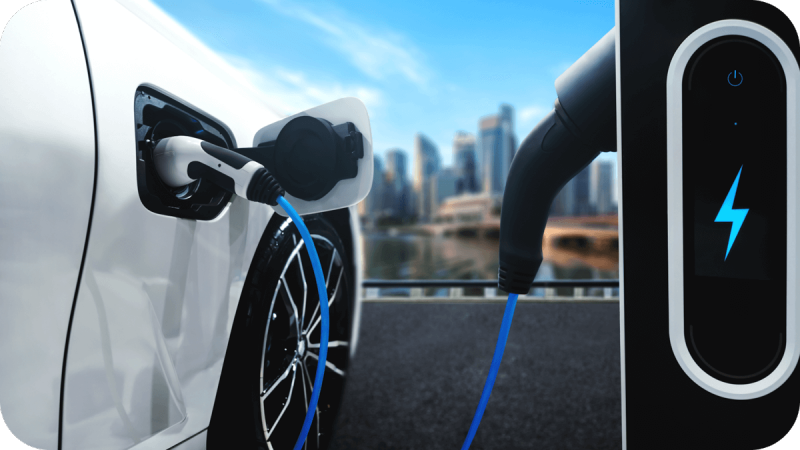
Electric cars are becoming increasingly popular worldwide, not only due to their role in reducing emissions but also because they often provide lower operating costs compared to traditional vehicles.
One of the most common questions potential electric vehicle buyers ask is: How much does it cost to charge an electric car?
The reality is that there is no fixed cost as it varies based on several factors, such as battery size, electricity prices in the country, type of charging station, and the amount of energy needed to fully charge the battery.
What Determines the Cost of Charging an Electric Car?
The charging cost varies from one car to another depending on several key factors. The primary factor is the battery size; larger batteries require more electricity to recharge fully.
Electricity prices play a crucial role as well, with rates differing between countries and even within the same country depending on usage time or subscription type.
Home Charging Cost
Home charging is the most economical option for most electric car owners, where the car is connected to a home charger or suitable power outlet overnight.
The cost is calculated by multiplying the battery capacity (in kilowatt-hours) by the kWh price set by the electricity company. Consequently, a lower electricity tariff means reduced charging costs.
Cost of Charging at Public Stations
Public charging stations, especially fast-charging stations, often cost more than home charging in many countries due to faster charging and the need for advanced infrastructure.
Despite the relatively higher cost, they offer a practical solution for travelers or those without a home charger.
Is Charging Cheaper Than Refueling?
In most cases, yes. Numerous studies suggest that the cost of driving an electric vehicle over a certain distance is lower than that of driving a gasoline or diesel vehicle for the same distance, especially in countries with lower electricity prices.
However, this difference might decrease in countries with high electricity prices or when frequently relying on fast-charging stations.
How to Reduce Electric Car Charging Costs?
Rely on Home Charging
This is often the most cost-effective option, especially when charging at night if the electricity rate is lower.
Avoid Fast Charging When Not Needed
Fast charging is best used during travel or emergencies as it is generally more expensive than regular charging.
Maintain Battery Efficiency
Following manufacturer recommendations helps maintain battery efficiency, impacting energy consumption and operational costs in the long run.
Take Advantage of Discounted Tariffs
Some electricity companies or charging station operators offer lower prices during certain hours, helping to reduce costs.
Do Charging Costs Vary Between Cars?
Yes, each car has a battery with different capacity, requiring varying amounts of electricity to be recharged. Energy consumption efficiency also differs across models, with some cars traveling longer distances on the same amount of electricity.
Are Electric Cars Cheaper in the Long Run?
Many experts believe that electric cars may be cheaper in terms of operation and maintenance in the long term, as they do not require engine oil changes and have fewer mechanical parts compared to internal combustion vehicles, reducing maintenance costs.
Conclusion
The cost of charging electric vehicles depends on battery capacity, electricity prices, and the type of charging used. In many cases, it is lower than the cost of refueling with traditional fuels. Home charging remains the most economical option, while fast-charging stations provide a suitable solution when a quick charge is needed.
See Also: