


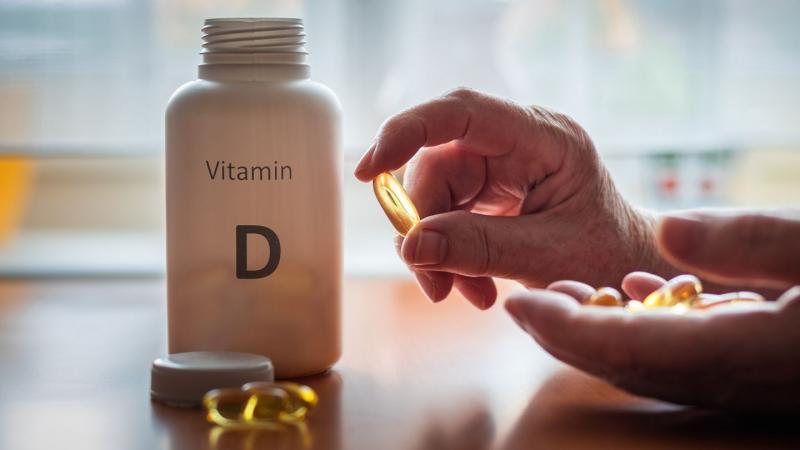
Vitamin D deficiency is linked to weakened bones, muscles, and chronic fatigue, as well as a compromised immune system. This vital vitamin plays a crucial role in calcium absorption and maintaining the health of the muscular and nervous systems. Therefore, maintaining its natural levels is essential for all age groups.
While Vitamin D supplements are readily available at pharmacies, experts emphasize that adequate sunlight exposure and a balanced diet remain the best natural ways to maintain the vitamin's levels. Additionally, some simple daily habits may improve absorption and accelerate benefits, especially for those with mild or moderate deficiency.
Why Do Vitamin D Levels Drop?
Before discussing ways to boost Vitamin D, it's important to understand the reasons behind its decrease. Key factors include:
- Lack of sunlight exposure.
- Consistent use of sunscreen.
- Staying indoors for extended periods at home or work.
- Poor nutrition.
- Aging.
- Obesity.
- Certain liver, kidney, and gastrointestinal diseases that reduce vitamin absorption.
Furthermore, those with darker skin tones are at a higher risk of deficiency because increased melanin reduces the skin's ability to produce vitamin D upon sun exposure.
Sunlight: The Primary Natural Source of Vitamin D

Best Time for Sun Exposure?
Medical recommendations suggest that the period between 10 AM and 4 PM is optimal since UVB rays are most effective at stimulating vitamin production. Nevertheless, the appropriate duration may vary based on skin color, geographical location, and season.
How Long Should You Be in the Sun?
Typically, direct sun exposure for about 10 to 30 minutes, three times weekly, is sufficient. People with darker skin often need longer exposure than those with lighter skin to achieve the same Vitamin D amount.
Effective Ways to Benefit from Sunlight
To achieve the best results, the following is advised:
- Expose arms, legs, or part of the back.
- Ensure direct sun exposure.
- Avoid sitting behind glass windows as they block UV rays required for vitamin production.
- Don’t use sunscreen during the initial minutes intended for Vitamin D production, then apply it later for skin protection if staying longer in the sun.
Best Foods Rich in Vitamin D
Although food doesn’t provide the same amount as sunlight, it is a significant source to support body supplies.
Fatty Fish
Fatty fish are among the richest natural sources of Vitamin D, including:
- Salmon.
- Mackerel.
- Sardines.
- Tuna.
- Herring.
These fish also contain omega-3 fatty acids, beneficial for heart and brain health.
Cod Liver Oil
Cod liver oil is one of the most concentrated natural sources of Vitamin D. Just a teaspoon provides a substantial portion of the daily requirement. However, it should be consumed in moderation due to its high Vitamin A content.
Fortified Foods
Many food products now fortified with Vitamin D help mitigate deficiency rates. Commonly fortified items include:
- Fortified milk.
- Fortified yogurt.
- Fortified orange juice.
- Fortified breakfast cereals.
- Some types of yogurt.
- Sun-exposed mushrooms.
Mushrooms are one of the few plant-based sources of Vitamin D, particularly if exposed to UV rays before harvesting, making them ideal for vegetarians seeking natural vitamin sources.
Egg Yolks and Beef Liver
Egg yolks and liver provide moderate amounts of Vitamin D and contain vital nutrients like iron and Vitamin B12.
How to Enhance Vitamin D Absorption?
Consuming vitamin-rich foods is not enough; enhancing absorption is crucial too.
Pairing with Healthy Fats
Vitamin D dissolves in fat, so it’s better absorbed when taken with meals containing healthy fats such as:
- Olive oil.
- Avocado.
- Nuts.
- Seeds.
- Fatty fish.
Studies suggest that taking supplements with a main meal increases absorption compared to an empty stomach.
Engage in Physical Activity
Moreover, some studies indicate that regular exercise correlates with better Vitamin D levels, particularly outdoor activities such as:
- Walking.
- Running.
- Cycling.
- Hiking.
Exercise also enhances bone and muscle health, one of Vitamin D's main targets.

Are Natural Methods Enough to Address Deficiency?
This depends on the deficiency's severity. If slightly low, sunlight and healthy nutrition may suffice over time. For severe deficiency, a doctor might prescribe therapeutic-dose Vitamin D supplements temporarily, with regular monitoring of blood levels.
It's crucial not to take high doses without medical supervision since excess Vitamin D can elevate blood calcium levels, leading to health complications.
Common Mistakes That Hinder Vitamin D Increase
Many fall into errors that reduce the efficacy of natural methods, such as:
- Relying solely on food without sun exposure.
- Sitting behind glass windows.
- Using sunscreen before initial direct exposure.
- Taking supplements on an empty stomach.
- Stopping treatment before the doctor's recommended duration.
- Not retesting after finishing treatment.
When Should You Test for Vitamin D?
Testing is advised if symptoms like fatigue, bone pain, muscle weakness, recurrent infections, slow wound healing, or unexplained hair loss appear. Testing is also recommended for those at higher deficiency risk, such as the elderly, pregnant women, and those with insufficient sun exposure.
In conclusion, the best way to naturally and quickly boost Vitamin D levels is by regularly sunbathing and following a diet rich in natural vitamin sources, and ensuring better absorption by consuming it with healthy fats and engaging in regular physical activity.
In severe deficiency cases, consulting a doctor for necessary tests and suitable supplement dosages is indispensable to safely regain natural levels without risking excessive doses.
See Also