


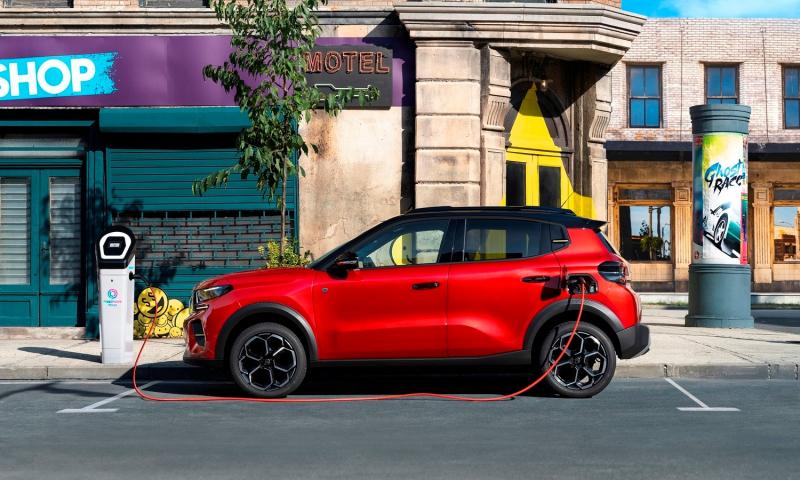
Electric vehicles have witnessed significant advancements over recent years. They have become a crucial option for the future of transportation due to their potential to minimize reliance on traditional fuels and reduce emissions during driving. Advancements in battery technologies and artificial intelligence have also enhanced their performance and competitive edge.
Despite these advantages, electric vehicles continue to face numerous challenges hindering their rapid spread. These obstacles include technical, economic, logistical, and environmental factors, making infrastructure development and battery technology improvements essential for wider adoption of these vehicles.
Key Challenges of Electric Vehicles and Their Impact on Adoption
1- Range Anxiety and Limited Travel Distance
Range anxiety is a prevalent concern among potential electric vehicle buyers, as drivers fear depleting battery charge before reaching their destination or not finding a nearby charging station.
While modern batteries have improved with some vehicles offering extended distances per charge, this issue still affects consumer confidence, especially during long trips or in areas lacking charging stations.
2- Slow Charging Process Compared to Refueling
Electric vehicles require more time to recharge batteries compared to the short time needed for refueling traditional cars.
Charging times vary by charger type, with fast charging requiring special equipment not available everywhere, while home charging can take hours to fully recharge the battery.
3- Insufficient Charging Stations and Infrastructure
The availability of charging stations is a major challenge for electric vehicle spread. Many regions still have limited public charging networks, especially on highways and rural areas.
Additionally, residents of apartment buildings face challenges in installing personal chargers near parking spaces, complicating electric vehicle ownership for some users.
4- High Purchase Cost of Electric Vehicles
Though operational and maintenance costs are lower long-term, the initial price of electric vehicles remains higher than many traditional cars.
This is primarily due to the high cost of battery manufacturing, a major component of the vehicle. This price difference can deter some consumers from opting for electric vehicles despite potential future benefits.
5- Cost of Battery Replacement
The battery is the most vital and expensive component of an electric vehicle, and its replacement after its lifespan poses a significant financial burden.
While most modern batteries are designed to last for many years, concerns over replacement costs influence some buyers’ decisions, especially when considering purchasing a used electric vehicle.
6- Impact of Weather Conditions on Performance
Battery efficiency is affected by extremely high or low temperatures, potentially reducing driving range in severe climates.
Operating heating or cooling systems in the vehicle also requires additional battery power, which may reduce the distance covered per charge.
7- Battery Weight and Its Effect on the Vehicle
Electric vehicle batteries are large and heavy, increasing the vehicle's total weight compared to some traditional cars.
This added weight can affect components like tires, brakes, and suspension systems, although companies continuously work on developing lighter and more efficient batteries.
8- Limited Maintenance Centers and Specialized Technicians
Electric vehicles require different maintenance expertise due to their reliance on electronic systems and electric motors instead of traditional engines.
Some markets still suffer from a lack of trained technicians and specialized repair shops, posing a challenge for electric vehicle owners.
9- Environmental Challenges in Battery Manufacturing
Despite reducing emissions during usage, electric vehicle battery manufacturing involves extracting minerals like lithium, cobalt, and nickel, processes that require significant energy and can have environmental impacts.
Additionally, developing efficient battery recycling processes is crucial to minimize waste and maximize resource utilization.
Future Solutions to Overcome Electric Vehicle Challenges
Automakers and technology companies are developing multiple solutions, including:
-Producing longer range batteries with faster charging.
-Developing ultra-fast charging technologies.
-Increasing the number of public charging stations.
-Improving battery management systems for better efficiency.
-Creating more sustainable and recyclable batteries.
-Reducing production costs as electric vehicle manufacturing scales up.
Conclusion
Electric vehicles face a set of challenges affecting their rapid adoption. However, continuous technological advancements suggest overcoming most of these hurdles in the coming years. With improved batteries, expanded charging networks, and reduced prices, electric vehicles are expected to become an essential part of future global transportation.
See also:
Car Rental Offices Lebanon 2026
Car Rental Offices in Beirut