


Foods that enhance gut health are among the top dietary choices recommended by nutrition experts to maintain a balance of beneficial bacteria and naturally improve digestion. The gut is not just an organ responsible for food absorption; it hosts trillions of microorganisms that directly impact immunity, heart and brain health, and even mental well-being.
With increasing scientific research on gut microbiomes, it's clear that diet is the most influential factor in the diversity of beneficial bacteria. Thus, incorporating fiber-rich foods into daily meals can reduce digestive disorders, support the gut lining, and improve nutrient absorption.
Why is Gut Health Important?
The gut contains a vast community of beneficial bacteria constantly working to digest food, produce essential vitamins, and support the immune system. When this balance is disrupted by an unhealthy diet, overuse of antibiotics, or chronic stress, symptoms like bloating, constipation, diarrhea, gas, and weakened immunity can appear.
Moreover, recent studies indicate a strong connection between gut and brain health, known as the gut-brain axis, which explains the link between digestive disorders and stress and anxiety.
How Does Nutrition Improve Gut Health?
The gut microbiome relies on the quality of food consumed daily. Fermented foods provide live bacteria, while natural fibers feed these bacteria, encouraging them to multiply and perform efficiently. Additionally, certain foods help repair the gut lining, reduce inflammation, and enhance nutrient absorption.
Top 10 Foods for Gut Health

1. Natural Yogurt
Natural yogurt is one of the best dietary sources of probiotics, containing beneficial bacteria that help restore gut microbiome balance. Regular consumption improves digestion, reduces bloating, and boosts immunity, especially when choosing types with live bacterial cultures without excessive sugars.
2. Kefir
Kefir boasts a microbial diversity exceeding traditional yogurt, containing multiple strains of beneficial bacteria and yeasts. This fermented drink aids digestion and strengthens the gut lining, with some studies indicating its role in enhancing immunity and reducing intestinal inflammation.
3. Sauerkraut
Natural sauerkraut is a top fermented food rich in probiotics, provided it's traditionally fermented and not preserved with vinegar alone. It helps balance beneficial bacteria, reduce gas, and significantly improve digestion.
4. Miso
Miso is a Japanese paste made from fermented soybeans, containing considerable amounts of beneficial microorganisms. Often used in soups, it supports the gut lining and enhances bacterial diversity in the digestive system.
5. Garlic
Garlic acts not as a probiotic but as one of the best sources of prebiotics, which feed existing beneficial bacteria in the gut. It also contains natural compounds that fight harmful bacteria without negatively impacting helpful organisms.
6. Onions
Onions contain inulin and fructooligosaccharides, natural fibers that serve as excellent food sources for beneficial bacteria. Additionally, they support heart health due to their antioxidant content.
7. Bananas
Bananas, especially not fully ripe ones, are rich in resistant starch and fibers that reach the colon undigested, providing ideal nourishment for beneficial bacteria and aiding the production of short-chain fatty acids vital for gut health.
8. Asparagus
Asparagus combines dietary fibers, antioxidants, and essential minerals, aiding in improving bowel movements, reducing inflammation, and naturally supporting beneficial bacterial growth.
9. Oats and Whole Grains
Oats are rich in soluble beta-glucan fibers, which help improve bowel movement, increase satiety, and support the growth of beneficial bacteria. Whole grains also provide a wide array of essential nutrients for digestive health.
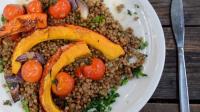
10. Lentils, Legumes, and Bone Broth
Legumes offer a substantial amount of plant fibers, aiding in the production of short-chain fatty acids that nourish colon cells and maintain gut lining integrity.
Conversely, bone broth contains collagen and amino acids like glutamine, potentially supporting gut lining within a balanced diet.
Daily Tips to Boost Gut Health
Apart from eating suitable foods, daily habits help maintain beneficial bacteria balance and enhance digestive system efficiency.
- Drink adequate amounts of water daily.
- Consume plenty of fresh vegetables and fruits.
- Reduce processed sugars and ultra-processed foods.
- Exercise regularly.
- Get enough sleep.
- Avoid antibiotics without medical supervision.
- Minimize stress and psychological pressures as much as possible.
Common Mistakes Harmful to Gut Health
Many rely on fast foods and sugary drinks daily, gradually leading to decreased beneficial bacteria diversity. Excessive consumption of processed foods and lack of fibers might increase constipation and chronic digestive disorder risks.
Likewise, neglecting water intake or adopting restrictive diets long-term can negatively influence gut microbiome health, digestion, and nutrient absorption.
Ultimately, a balanced diet is fundamental for digestive health. Fermented foods, natural fibers, and prebiotic-rich foods contribute to enhancing beneficial bacteria diversity, supporting the gut lining, and improving digestion.
By committing to healthy daily habits, many digestive problems can be reduced, bolstering immunity and overall health in the long term. Incorporating these foods into the daily diet truly invests in bodily health and quality of life.
See Also
Fast Vitamin B12 Deficiency Treatment