


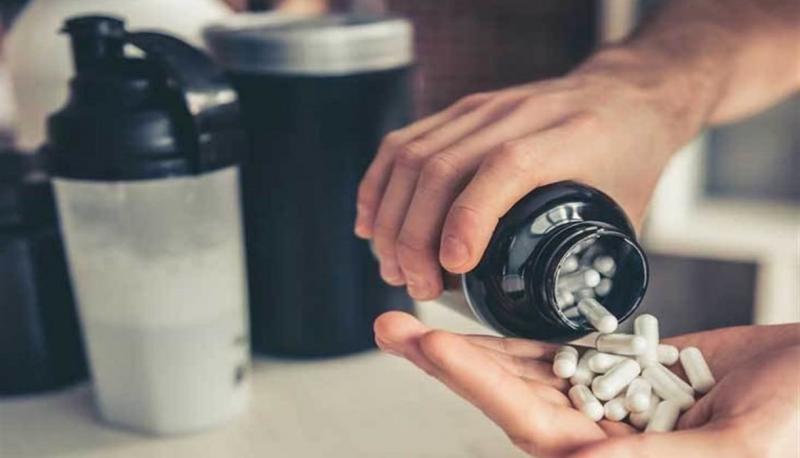
Many people considering the use of creatine supplements question whether it can lead to weight gain. This concern arises for those seeking muscle building, enhancing athletic performance, or reducing body fat. The belief is linked to the weight gain some users experience during the initial days of supplementation.
Scientific studies indeed confirm that creatine can cause weight gain. However, this doesn't equate to increased fat as some might assume. In most cases, it's attributed to increased water content within the muscles, with eventual muscular growth following consistent training.
Does Creatine Cause Weight Gain?

Firstly: Water Retention in Muscles
In the first few days of creatine intake, muscles begin drawing more water into the muscle cells, making them appear fuller and larger.
This weight gain is typically noticeable quickly, ranging between 1 to 2 kilograms in the first week. The extent varies based on the individual's weight, muscle mass, and creatine intake.
Importantly, this water retention occurs inside the muscle cells and not under the skin, thus not leading to the bloated appearance some might expect.
Secondly: Muscle Mass Increase
After the water retention phase, the true effect of creatine emerges with regular training. Creatine aids in better energy production during high-intensity exercises, allowing more repetitions or heavier lifts.
Over time, this fosters muscle growth and gradually increases muscle mass. Typically, these results surface within 4 to 12 weeks with adherence to an appropriate training program and a protein-rich diet.
Does Weight Gain Mean More Fat?
A common misconception is that creatine increases body fat percentage. However, research indicates that creatine contains no calories and does not independently contribute to fat accumulation. Rather, the added weight results from:
- Increased water inside the muscles.
- Increased muscle mass with training.
- Improved energy storage within muscles.
Therefore, while the scale may show an increase, body fat percentage might decrease over time.
Does Creatine Prevent Fat Loss?
Enhancing Exercise Performance
Creatine speeds up energy production, enabling more intense and longer workouts, thereby increasing the total calories burned during physical activity.
Preserving Muscle Mass
While following a calorie-deficit diet, the body may lose some muscle mass alongside fat. Creatine helps preserve muscle mass, crucial for maintaining strength and a fit physique.
Increasing Calorie Burn Rate
Additionally, increased muscle mass elevates the basic metabolic rate as muscles consume more energy than fat tissue, even at rest.
Why Might Your Weight Increase Despite an Improved Physique?
Some individuals observe a weight increase alongside notable improvements in body shape and clothing size. The reason is that muscle is denser than fat, so weight may increase slightly while body fat percentage decreases, leading to a more toned appearance.
Experts recommend not relying solely on the scale for progress assessment. Instead, track body measurements, body fat percentage, and periodic photos.
Is Creatine Safe?
Medical institutions and recent studies indicate that creatine is one of the most extensively researched dietary supplements and is safe for most healthy individuals when used at recommended doses.
Nonetheless, ensuring sufficient daily water intake is advised, as creatine increases the muscles' fluid requirement. Consultation with a doctor is also recommended for those with kidney diseases or special health conditions before using it.
Tips to Avoid Unwanted Weight Gain
If you want to benefit from creatine without worries about weight fluctuations, consider the following guidelines:
- Consume the recommended daily dose.
- Stay adequately hydrated.
- Engage in regular resistance training.
- Maintain a balanced diet.
- Don't rely solely on scales for tracking progress.
- Continue regular creatine intake to achieve optimal results.
In conclusion, the initial weight gain caused by creatine comes from water retention within muscles, followed by muscle mass growth with regular training, not from fat accumulation.
In fact, creatine might help enhance athletic performance, preserve muscles, and indirectly support fat loss, making it one of the most effective and safe supplements when used correctly.
See also
Best Creatine Types for 2026: Comparing Popular Products